
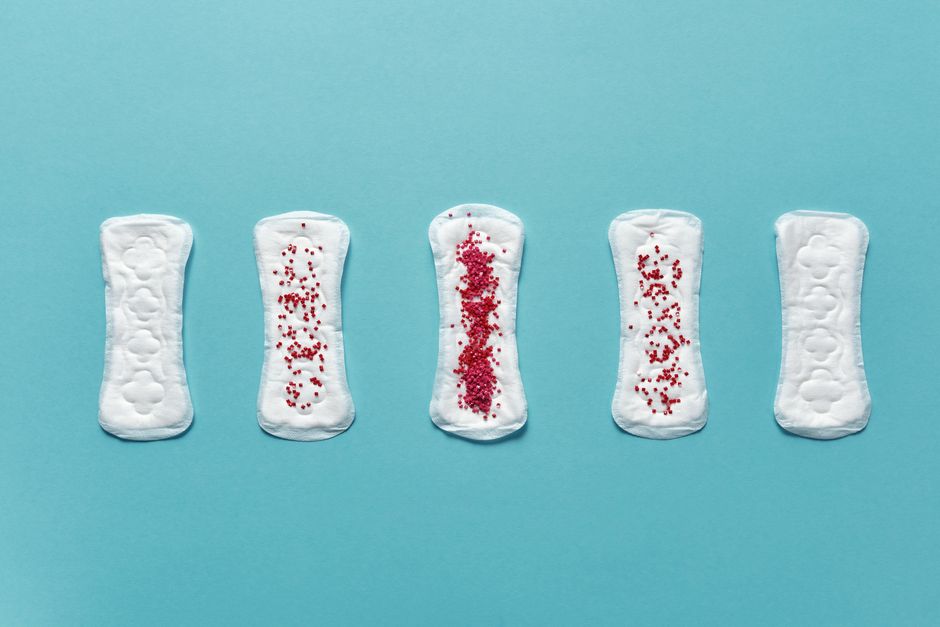
Yes, you can get toxic shock syndrome (TSS) from pads, though it is rare. TSS is a bacterial illness, not a tampon illness. Any product that sits in the vagina and creates the right conditions for certain bacteria to grow can raise the risk, and that includes menstrual pads in specific situations.
Most people associate TSS only with tampons. That association is real but incomplete. The bacteria behind TSS do not care whether the product is made of cotton, rayon, or plastic. They care about oxygen, moisture, and a place to multiply. Understanding how that happens with pads — and how often it actually does — helps you judge your own risk without panic or false reassurance.
Can You Get TSS With Pads?
Pads can cause TSS, but the mechanism is different from tampons and the risk is lower.
Toxic shock syndrome is caused by toxins produced by Staphylococcus aureus or, less commonly, group A Streptococcus bacteria. These bacteria are common. Many people carry S. aureus on their skin or in their nose without any illness at all. Problems start when the bacteria get into a wound or a moist, enclosed space and release toxins into the bloodstream.
A tampon creates that enclosed space inside the vagina. A pad worn outside the body does not. So how would a pad lead to TSS?
The answer is skin. Pads sit against the vulva and inner thighs for hours. Friction from movement can cause tiny breaks in the skin. If those breaks are exposed to S. aureus and kept warm and damp under an adhesive pad, the bacteria have a route into tissue. This is the same basic process that causes TSS from a surgical wound, a burn, or a skin infection.
This sequence is possible. It is also uncommon. The evidence for pad-related TSS comes mainly from case reports rather than large studies, which tells us it happens but not how often.
Why Are Tampons Linked to TSS More Than Pads?
Tampons are linked to TSS far more often because they place a foreign object inside the vagina, where the bacteria that cause TSS already live.
Roughly a third of people carry S. aureus in the vagina at any given time, according to microbiology research. A tampon introduces oxygen into that space, and certain tampon materials — particularly high-absorbency synthetic blends — support bacterial growth. The tampon also creates a surface where toxins can build up and be absorbed through the vaginal lining.
Absorbency is the biggest single factor. The higher the absorbency, the longer the tampon can stay in and the more favorable the environment becomes for toxin production. This is why public health guidance has pushed absorbency labeling and warned against leaving tampons in too long.
Pads do not deliver bacteria into the vagina. They do not create an internal reservoir. That is the core reason the risk profile is so different.
What About Wearing a Pad With a Tampon?
Wearing a pad alongside a tampon does not change the tampon-related risk. The tampon is still inside the body doing what tampons do.
Some people use a pad as a backup for leaks or for heavier flow days. That is a common practice, and the pad itself does not add meaningful risk. But a pad does not cancel out the risk from the tampon. If you wear both, the tampon guidance still applies: use the lowest absorbency that works, and change it regularly.
Do not treat the pad as a safety net that lets you leave a tampon in longer. It does not work that way.





What Raises Your Risk of TSS From Pads?
The risk factors for pad-related TSS overlap with risk factors for TSS in general. None of them are unique to pads, but together they can make a skin-based infection more likely.
- Prolonged wear. Leaving a pad on for many hours keeps skin warm, damp, and in contact with bacteria.
- Skin breakdown. Chafing, razor nicks, or existing irritation give bacteria an entry point.
- A recent skin or wound infection. An active S. aureus infection elsewhere on the body raises the chance of spread.
- Compromised immune function. Conditions or medications that suppress the immune system make serious infections more likely.
- Not having antibodies to the toxin. Many adults have antibodies that protect them. People who have never been exposed to the toxin — often younger people — may be more vulnerable.
Age matters here. TSS historically affects younger menstruating people more than older adults, partly because antibody levels tend to build with age. That pattern is well documented for tampon-related TSS. Whether it applies the same way to pad-related cases is not firmly established.
What Are the Symptoms of TSS?
TSS symptoms typically appear suddenly, often within a few days. They can worsen quickly.
Common signs include:
- Sudden high fever
- Low blood pressure, which can cause dizziness or fainting
- A sunburn-like rash, often on the palms and soles
- Vomiting or diarrhea
- Muscle aches
- Confusion or other mental changes
- Redness of the eyes, mouth, or throat
Later, peeling skin can occur, especially on the hands and feet, usually a week or two after the illness starts.
TSS is a medical emergency. It can progress to shock and organ failure. If you have a sudden high fever with a rash, vomiting, or fainting — especially during or shortly after your period, or with any wound — seek emergency care immediately. Do not wait to see if it improves on its own.
One detail worth knowing: TSS is not always tied to menstruation. A significant share of cases are non-menstrual, linked to wounds, surgery, or skin infections. That is why the condition can appear in people who have never used a tampon or a pad.
How Is TSS Treated?
TSS is treated in a hospital. Care focuses on removing the source of infection, supporting blood pressure and organ function, and using antibiotics.
If a tampon or other device is involved, it is removed. Wounds are cleaned and drained. Patients often need intravenous fluids and, in serious cases, intensive care support. Antibiotics are given, though the toxins themselves are the main driver of illness, which is why supportive care matters so much.
Recovery depends on how quickly treatment starts. With prompt care, most people recover. Without it, TSS can be fatal. This is not a condition to manage at home.
How Do You Lower Your Risk?
Lowering risk from pads comes down to skin care and hygiene. There is no single step that eliminates risk, but the basics matter.
- Change pads regularly. Follow the product guidance and change sooner if the pad is soiled or damp.
- Keep the area clean and dry between changes.
- Avoid chafing. Choose a fit that stays in place without rubbing.
- Do not ignore irritated or broken skin in the genital area. Keep it clean and watch for signs of infection.
- If you use tampons, use the lowest absorbency that controls your flow and change them as directed.
If you have a skin infection, a wound, or a recent surgery, be alert to TSS symptoms and mention any recent product use to a clinician.
Is This Something to Worry About?
Pad-related TSS is real but rare. The vast majority of people who use pads will never develop it.
The bigger risk from pads is not TSS. It is skin irritation, chafing, and contact reactions — common, uncomfortable, and far more frequent than any infection. Those problems are worth managing on their own terms.
The honest position is this: pads carry a small, documented risk of TSS, mostly through skin breakdown rather than internal bacterial growth. The risk is much lower than with tampons. Knowing the symptoms and acting fast is what actually protects you.
Frequently Asked Questions
Can you get TSS from wearing a pad?
Yes, it is possible, though rare. Pad-related TSS usually involves bacteria entering through broken or irritated skin rather than through the vagina.
Are pads safer than tampons for TSS?
Yes, pads carry a lower TSS risk than tampons. Tampons sit inside the vagina and can support bacterial toxin production in a way pads cannot.
How long can you safely wear a pad?
Follow the product’s guidance, which typically advises changing every few hours. Change sooner if the pad is soiled, damp, or causing irritation.
What are the first signs of TSS?
Sudden high fever, low blood pressure, a sunburn-like rash, vomiting, and muscle aches are common early signs. Seek emergency care right away if these appear.
