
No, you cannot get rid of a poison sumac rash overnight. The rash develops from an allergic reaction to urushiol oil, and once the rash appears, it must run its course through your skin’s healing process. Even with the strongest prescription treatments, the rash typically takes one to three weeks to fully clear, though you can take steps to reduce itching and speed up recovery starting today.
Why Poison Sumac Rash Cannot Be Cured Instantly
Poison sumac contains urushiol, an oily resin found in the plant’s leaves, stems, and roots. When urushiol touches your skin, it binds to proteins in your skin cells within minutes. Your immune system recognizes it as a threat and sends inflammatory cells to attack.
This immune response is what causes the redness, swelling, and blisters. The reaction does not happen instantly. It typically appears 24 to 72 hours after contact, though it can show up as quickly as a few hours in sensitive people or as late as a week in others.
Once the reaction starts, no treatment can stop it cold. Medications can calm the inflammation and reduce symptoms, but the rash must heal in stages like any other skin injury.
What Actually Helps When You First Notice the Rash
If you suspect you touched poison sumac, act within the first few minutes to hours. The sooner you remove urushiol from your skin, the less severe the rash will be.
- Wash with rubbing alcohol — apply it to the exposed skin first, then rinse with water.
- Use cool water and soap — plain soap works fine. Avoid hot water, which opens pores and can spread the oil.
- Scrub under your fingernails — urushiol can hide there and spread to other areas.
- Wash everything that touched the plant — clothing, tools, gardening gloves, and pet fur can carry urushiol for months.
Washing within 15 to 30 minutes of exposure removes most of the oil. After 30 minutes, much of the urushiol has already bound to your skin proteins, and washing becomes less effective at preventing the rash entirely.
Proven Treatments That Reduce Symptoms Fast
Once the rash is present, the goal shifts from prevention to symptom control. The most effective treatments target inflammation directly.
Corticosteroid creams are the first-line treatment for mild to moderate poison sumac rash. Over-the-counter hydrocortisone cream can help with mild cases, but prescription-strength steroids work better. These creams reduce inflammation and itching by suppressing the immune response in the affected skin.
Oral antihistamines like diphenhydramine (Benadryl) can reduce itching, though they work indirectly. They block histamine, a chemical your body releases during allergic reactions. They do not treat the rash itself but can make the itching more bearable, especially at night.
Calamine lotion and cool compresses provide temporary relief by soothing the skin. These do not speed healing but can make the waiting period more comfortable.
For severe cases, a doctor may prescribe oral corticosteroids like prednisone. These are typically given in a tapering dose over two to three weeks. Stopping them too early can cause the rash to rebound and come back worse than before.





When Home Treatment Is Not Enough
Some poison sumac reactions require medical attention. You should see a doctor if the rash covers a large area of your body, especially your face or genitals. Seek urgent care if you develop severe swelling, especially around the eyes, or if you have trouble breathing.
Signs of infection include increasing pain, yellow or green pus, warmth around the rash, or a fever. Blisters that ooze clear fluid are normal and not a sign of infection. The fluid inside blisters does not contain urushiol and cannot spread the rash to other people or other parts of your body.
A widespread rash with intense swelling may require prescription oral steroids. These are more effective than creams for large areas because they work throughout your body rather than just on the surface.
What Does Not Work for Poison Sumac Rash
Several popular remedies have no evidence behind them. Bleach is dangerous and can cause chemical burns. Applying it to poison sumac rash damages your skin further and does nothing to neutralize urushiol.
Rubbing alcohol after the rash has appeared will dry out your skin and increase irritation. It only helps in the first minutes after exposure, before the rash develops.
Some people try scratching or popping blisters to release fluid. This increases infection risk and slows healing. Let blisters break on their own.
Antihistamine creams are not recommended. They can cause allergic reactions themselves and provide little benefit compared to oral antihistamines.
How Long Does Poison Sumac Rash Last
Most poison sumac rashes last one to three weeks. Mild cases may resolve in about a week. Severe cases, especially those involving large areas or requiring oral steroids, can take three weeks or longer.
The rash progresses through stages. It starts with redness and itching, then develops small bumps that become blisters. The blisters eventually dry up and crust over. The skin may remain discolored for weeks after the rash clears.
New blisters can continue appearing for up to two weeks after exposure. This does not mean the rash is spreading. It happens because different areas of skin absorbed different amounts of urushiol, and their immune responses activate at different times.
Can You Get Rid Of Poison Sumac Rash Overnight With Medical Help
Even with a doctor’s visit and prescription treatment, the rash will not disappear overnight. Oral steroids can dramatically reduce symptoms within 24 hours, but the rash itself still needs time to heal.
What medical treatment can do overnight is reduce the intensity of itching and stop the rash from getting worse. A doctor may prescribe a strong topical steroid or oral prednisone that begins working within hours. But the visible rash will still take days to fade.
No injection, pill, or cream exists that can reverse an allergic skin reaction instantly. The immune response has already been triggered, and your skin needs time to repair itself.
Preventing Poison Sumac Rash in the Future
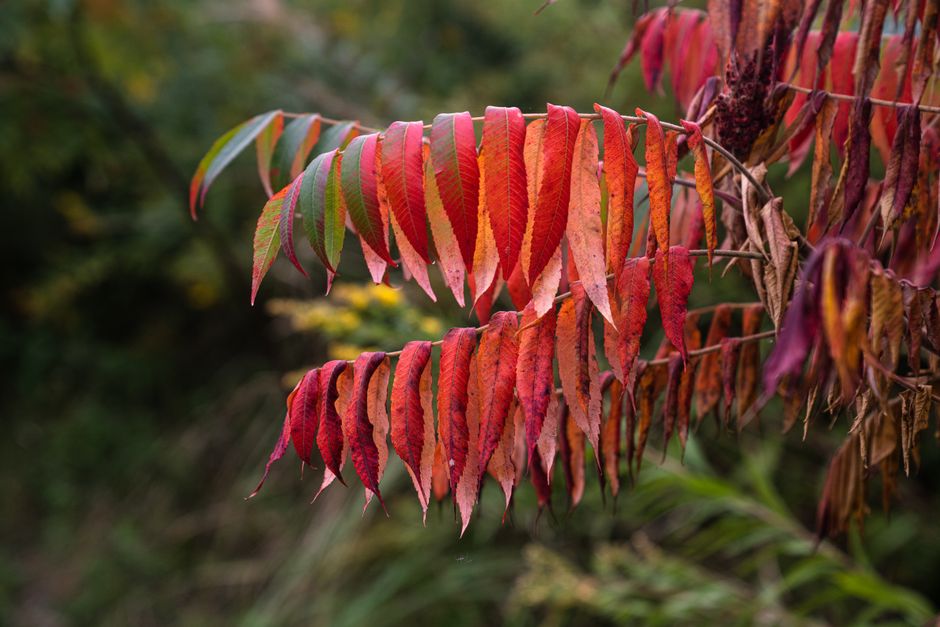
Prevention is the only guaranteed way to avoid the rash. Learn to identify poison sumac. It grows as a shrub or small tree in swampy areas, especially in the eastern United States. Its leaves are arranged in pairs with one leaf at the tip, and each leaf has smooth edges. The plant turns orange or red in the fall.
Wear long sleeves, long pants, and gloves when hiking or gardening in areas where poison sumac grows. Barrier creams containing bentoquatam can provide some protection when applied before exposure, though they are not a substitute for protective clothing.
If you know you touched the plant, wash immediately with soap and cool water. Remove and wash all clothing and gear. Urushiol can remain active on surfaces for up to five years, so contaminated items need thorough cleaning.
Frequently Asked Questions
Can I pop poison sumac blisters to make it heal faster?
No, popping blisters increases infection risk and slows healing. Leave them intact and let them break naturally.
Does poison sumac rash spread when I scratch it?
Scratching does not spread the rash because urushiol is already bound to your skin. But scratching can break skin and introduce bacteria, leading to infection.
How soon after touching poison sumac does the rash appear?
The rash typically appears 24 to 72 hours after contact, though it can develop as quickly as a few hours or as slowly as a week depending on your sensitivity.
Is poison sumac rash contagious to other people?
No, the rash itself is not contagious. Only the urushiol oil can cause a reaction, and it can spread only if it remains on skin, clothing, or tools.
