
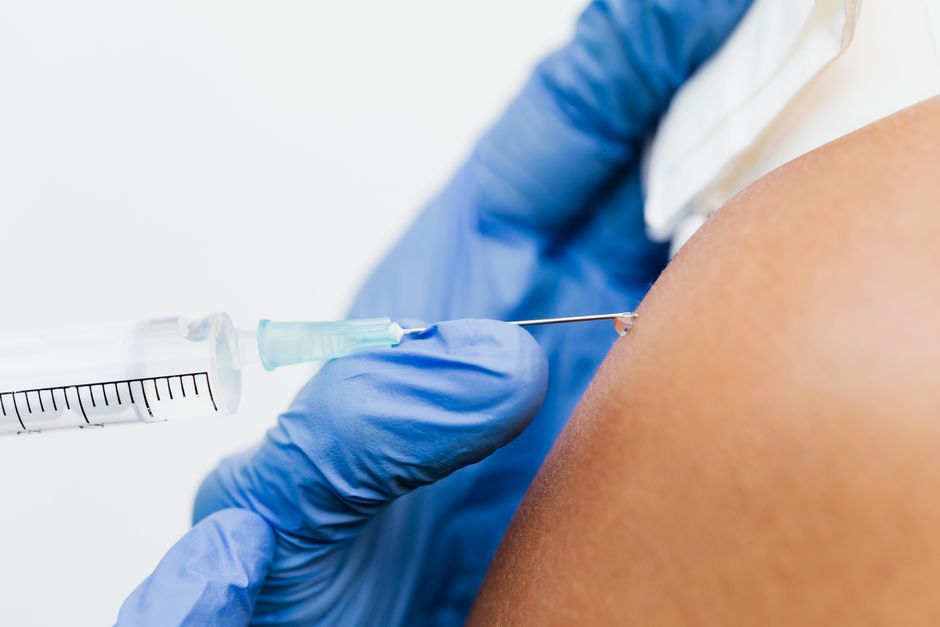
Yes, you can get pregnant after stopping the Depo-Provera shot, but it often takes longer than with other birth control methods. The Depo injection stops ovulation for about 12 to 14 weeks per shot. After your last shot, it can take 9 to 10 months on average for your fertility to return fully. Some women get pregnant sooner, and some take up to 18 months. The key fact is that Depo does not cause permanent infertility. It just has a longer recovery window than pills or IUDs.
How Does the Depo Injection Prevent Pregnancy?
The Depo-Provera shot contains a synthetic hormone called progestin. It works in three main ways. First, it stops your ovaries from releasing an egg each month. No egg means no pregnancy. Second, it thickens the mucus in your cervix. This makes it harder for sperm to swim through. Third, it thins the lining of your uterus. This makes it less likely for a fertilized egg to implant.
One shot lasts for about 12 weeks. Most doctors give the shot every 11 to 13 weeks to be safe. The Centers for Disease Control and Prevention (CDC) reports that less than 1 in 100 women will get pregnant while using Depo correctly. That is about 0.2 percent failure rate with perfect use. With typical use, the failure rate is about 6 percent over three years.
This is why it is so important to get your shots on time. If you are more than 15 weeks late for your next shot, your ovaries may start releasing eggs again. You could ovulate before you realize it.
Can You Get Pregnant With Depo Injection Still Active?
If you are still getting the shot on schedule, pregnancy is very unlikely. But it is not impossible. The main risk comes from getting the shot late. If you miss your appointment by more than two weeks, your protection drops. You should use a backup method like condoms until you get the shot.
Another rare cause is a faulty injection. If the shot is given into muscle that absorbs it poorly, or if the dose is not fully injected, hormone levels may not be high enough. This is uncommon but possible. Some women also have a higher metabolism of progestin. Their bodies clear the hormone faster than average. This can shorten the window of protection.
Research published in the journal Contraception found that women who are overweight may have slightly lower Depo effectiveness. The evidence is not strong enough to change prescribing guidelines, but it is something to be aware of. If you are concerned, talk to your doctor about checking your hormone levels or using a backup method.
How Long After Stopping Depo Can You Get Pregnant?
This is the most common question people have. The average time to pregnancy after the last Depo shot is 9 to 10 months. But “average” hides a wide range. Some women ovulate within 3 to 4 months. Others wait 18 months or longer.
The reason for the delay is that Depo stores in your body’s fat tissue. The hormone releases slowly over time. Even after you stop getting the shot, small amounts of progestin remain in your system for months. Your ovaries will not start cycling again until the hormone level drops low enough.
Contrast this with birth control pills. After stopping the pill, most women ovulate within 2 to 4 weeks. IUDs and implants also reverse quickly. Depo is the slowest method to clear from your body. This does not mean it damages your fertility. It just takes longer to wash out.
A study from the National Institute of Child Health and Human Development followed women who stopped Depo. They found that 50 percent of women conceived within 10 months. About 80 percent conceived within 15 months. By 18 months, almost all women who were fertile before starting Depo had returned to normal ovulation.





Does Depo Cause Long-Term Infertility?
No. This is one of the most persistent myths about Depo-Provera. There is no evidence that Depo causes permanent infertility. The delay is temporary. Once the hormone clears your system, your fertility returns to whatever your baseline was before you started the shot.
The confusion comes from two things. First, the delay is long compared to other methods. Women who stop Depo and do not get pregnant for a year may assume the shot caused the problem. In reality, it may just be the normal clearance time. Second, some women start Depo in their teenage years or early twenties. When they stop in their thirties, age-related fertility decline may be happening. It is easy to blame the shot when the real factor is age.
Research published in Obstetrics & Gynecology compared women who used Depo to women who used other methods. After stopping, Depo users took longer to conceive, but the pregnancy rates at 12 and 18 months were the same. This confirms that Depo does not reduce your total chance of ever getting pregnant. It just shifts the timeline.
What Should You Do If You Want to Get Pregnant After Depo?
Start planning early. If you know you want to conceive in the next year, stop the shots now. Do not wait until you are ready to try. Give your body time to clear the hormone. The general advice is to stop Depo at least 6 to 12 months before you want to start trying.
Track your cycles once your period returns. Your first period after Depo is usually a sign that ovulation has resumed. But some women have anovulatory cycles at first. That means you bleed but do not release an egg. It can take 2 to 3 cycles for ovulation to become regular. Using ovulation predictor kits can help you know when you are actually fertile.
Consider your overall health while you wait. Depo can cause bone density loss with long-term use. The FDA includes a black box warning about this. Most bone loss reverses after stopping, but it takes time. Make sure you get enough calcium and vitamin D. Weight-bearing exercise also helps. If you have used Depo for more than two years, ask your doctor about a bone density scan before trying to conceive.
Common Misconceptions About Depo and Fertility
One myth is that Depo causes weight gain that makes it harder to get pregnant. Depo does cause weight gain in some women. The average gain is about 5 to 10 pounds over the first year. But weight gain alone does not prevent pregnancy. It may affect ovulation in some women, but this is not specific to Depo. Any significant weight gain can affect fertility.
Another myth is that Depo causes birth defects if you get pregnant while on it. The evidence does not support this. If you become pregnant while using Depo, the risk of birth defects is not higher than the general population. The American College of Obstetricians and Gynecologists states that there is no increased risk. However, you should stop the shots as soon as you know you are pregnant. There is no reason to continue.
Some people believe that you need to “detox” or cleanse your body after Depo before trying to conceive. There is no medical basis for this. Your liver and kidneys naturally clear the hormone. No special diet, supplement, or detox program speeds this up. Save your money and focus on healthy eating and prenatal vitamins instead.
Comparison of Return to Fertility by Birth Control Method
| Method | Average Time to Ovulation After Stopping | Notes |
|---|---|---|
| Depo-Provera shot | 9-10 months | Hormone stored in fat tissue; slow clearance |
| Birth control pill | 2-4 weeks | Immediate reversal for most women |
| Copper IUD (Paragard) | Immediate | No hormones; ovulation resumes right away |
| Hormonal IUD (Mirena, Kyleena) | 1-3 months | Local hormone; minimal systemic effect |
| Implant (Nexplanon) | 1-4 weeks | Hormone clears quickly after removal |
This table shows why Depo requires more advance planning. If you switch from pills to trying to conceive, you can start right away. With Depo, you need to plan a year ahead.
Steps to Take Before Trying to Conceive After Depo
- Stop the shots at least 6 to 12 months before you want to start trying. Earlier is better.
- Use a barrier method like condoms during the waiting period to avoid unintended pregnancy before you are ready.
- Start taking a prenatal vitamin with folic acid at least 3 months before you plan to conceive.
- Track your menstrual cycle with an app or calendar. Note when your period returns and how regular it becomes.
- See your doctor for a preconception checkup. Review your bone density if you used Depo for more than 2 years.
- Be patient. If you do not get pregnant within 6 months of regular ovulation, talk to your doctor. But remember that 9 to 10 months is normal for Depo users.
These steps are practical and evidence-based. They give you the best chance of a healthy pregnancy without unnecessary worry.
Frequently Asked Questions
Can you get pregnant while still on the Depo shot?
It is very rare if you get your shots on time, but late shots or rare individual metabolism differences can allow ovulation to occur.
How long after stopping Depo does it take to get pregnant?
The average is 9 to 10 months, but some women conceive in 3 months and others take up to 18 months.
Does Depo-Provera cause permanent infertility?
No, there is no evidence of permanent infertility. The delay is temporary while the hormone clears from your body.
Should you wait before trying to conceive after Depo?
You do not need to wait for medical reasons, but planning to stop 6 to 12 months ahead gives your body time to resume normal cycles.
