
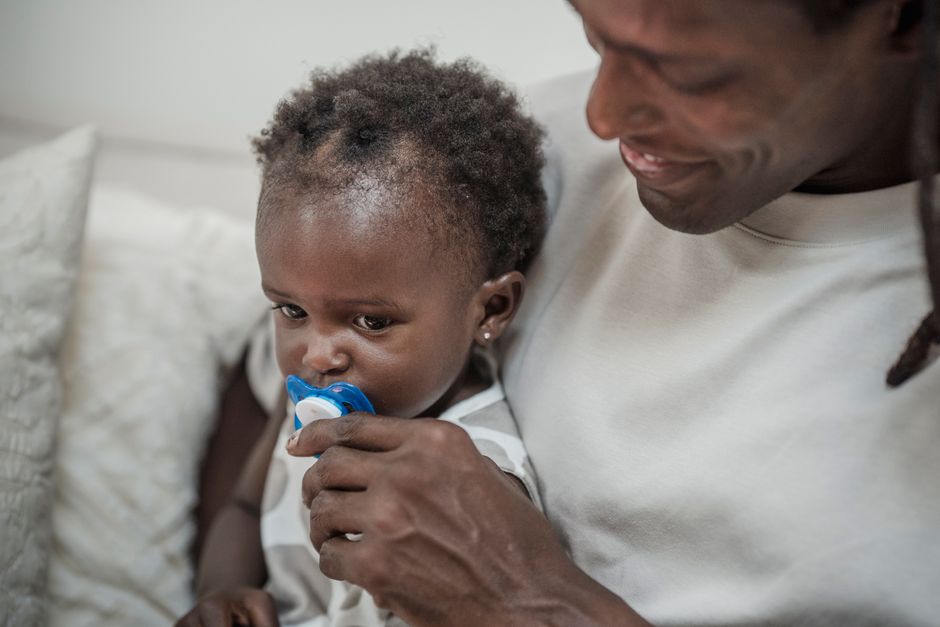
Every parent knows the late-night ritual: you tuck the pacifier in, your baby pops it out, and the cycle repeats until you feel like a sleep-deprived jack-in-the-box. Keeping a pacifier in a sleeping baby’s mouth is a common challenge, but the solution starts with understanding why it falls out in the first place. The short answer is that you cannot force a pacifier to stay in place safely, but you can choose the right pacifier, use safe positioning, and teach your baby to self-correct, which dramatically reduces how often you need to intervene.
Why Does the Pacifier Keep Falling Out at Night?
Babies lose pacifiers during sleep for several physical reasons. The most common cause is simple muscle relaxation. As your baby enters deep sleep, the facial muscles and tongue relax, which naturally loosens the seal around the pacifier nipple.
Another reason is the pacifier shield hitting the mattress or bedding. If your baby sleeps on their side or turns their head into the mattress, the shield gets pushed, and the nipple slides out. This is especially common in younger infants who cannot yet reposition themselves effectively.
Finally, the size and shape of the pacifier matter. A nipple that is too short for your baby’s palate or a shield that is too heavy will not stay seated. Orthodontic pacifiers are designed to fit the natural shape of the palate, which often improves retention compared to standard round nipples.
Choosing a Pacifier Designed to Stay Put
Not all pacifiers are created equal when it comes to nighttime retention. Look for a one-piece design, which has no separate parts that can trap moisture or harbor bacteria. A one-piece pacifier is also more flexible, allowing it to move with your baby rather than resisting movement and popping out.
Size is critical. A pacifier labeled for the correct age range will have a nipple length and shield width appropriate for your baby’s mouth. A newborn pacifier on a six-month-old will be too small, while a toddler pacifier on a newborn can be unsafe and difficult to keep in place.
Some parents find that weighted or “stay-put” pacifiers with a small stuffed animal attached work well. However, the American Academy of Pediatrics advises against attaching any object to a pacifier while the baby is sleeping. Anything attached to the pacifier creates a strangulation or suffocation risk, even if it is marketed as a sleep aid.
Safe Positioning Techniques That Actually Work
Positioning your baby correctly can reduce pacifier loss. Always place your baby on their back for sleep, which is the only safe sleep position. When a baby is on their back, the pacifier tends to stay seated more naturally than when they are on their side.
Swaddling can help. A securely swaddled baby cannot flail their arms and knock the pacifier out. Once your baby shows signs of rolling over, typically around 2 to 4 months, you must stop swaddling to reduce the risk of suffocation. At that point, a sleep sack is the safer alternative.
Keep the pacifier within easy reach. If your baby is old enough to find and reinsert the pacifier themselves, place several clean pacifiers in the crib near their hands. This encourages self-soothing and reduces the number of times you need to get up. Never tie a pacifier to the crib rail or to your baby’s clothing.
Teaching Your Baby to Keep the Pacifier In
You cannot train a newborn to hold a pacifier, but you can help an older baby develop the skill. During daytime play, offer the pacifier and gently tug on it while your baby is sucking. This teaches them to suck harder and keep it in place. This technique, sometimes called “pacifier tugging,” builds the oral muscles needed for retention.
Another approach is to offer the pacifier when your baby is drowsy but not fully asleep. If they drop it during the transition to sleep, gently guide their hand to the pacifier and help them hold it. Over time, they learn to associate the pacifier with their own hand, which builds the foundation for independent reinsertion.
Some parents find that gently holding the pacifier in place for a few minutes after the baby falls asleep helps. The deep sleep phase usually begins about 20 minutes after falling asleep. If the pacifier stays in through that transition, it is more likely to stay in for a longer stretch.
When to Consider Letting the Pacifier Go
There comes a point where the battle is not worth the sleep disruption. If your baby is consistently spitting the pacifier out and sleeping peacefully without it, they may be telling you they no longer need it. Many babies naturally self-wean from the pacifier between 6 and 12 months.
If your baby wakes and cries when the pacifier falls out, they still need it for self-soothing. But if they spit it out and continue sleeping, the pacifier is no longer a sleep crutch. In that case, removing it from the sleep routine altogether may improve sleep for everyone.
Pacifier use during sleep is actually associated with a reduced risk of sudden infant death syndrome (SIDS). The American Academy of Pediatrics recommends offering a pacifier at naptime and bedtime for the first year of life. However, if the pacifier falls out during sleep, you do not need to reinsert it. The protective effect appears to be present even if the pacifier is not in the mouth for the entire sleep period.
Products That Claim to Keep Pacifiers In
The market is full of products designed to solve this problem. Pacifier clips that attach to clothing are safe for awake time only. They are never safe for sleep because the clip and strap can catch on bedding or clothing and create a strangulation hazard.
Pacifier holders that strap around the baby’s head exist, but they are not recommended by any major pediatric organization. These products carry a significant risk of strangulation and can interfere with the baby’s natural head and jaw movement. No clinical evidence supports their safety or effectiveness.
Some crib-mounted pacifier holders use a flexible arm that positions the pacifier near the baby’s mouth. These are also not recommended. A sleeping baby cannot safely manage a device attached to the crib, and the risk of entanglement outweighs any potential benefit.
Frequently Asked Questions
Is it safe to hold the pacifier in my baby’s mouth while they sleep?
No. Holding the pacifier in place by hand is not safe because you may fall asleep and accidentally cover the baby’s nose or mouth. It also prevents the baby from learning to self-soothe.
Can I use a pacifier clip at night?
No. Pacifier clips are for awake time only. They pose a strangulation risk during sleep because they can catch on bedding or clothing.
When should I stop giving my baby a pacifier at night?
Most pediatric experts recommend weaning from the pacifier between 6 and 12 months to reduce the risk of ear infections and dental issues. If your baby consistently spits it out and sleeps well, that is a natural time to stop.
Will my baby grow out of dropping the pacifier at night?
Yes. Most babies develop the motor skills to find and reinsert a pacifier between 4 and 6 months of age. Until then, frequent pacifier loss is normal and not a sign of a problem.
