
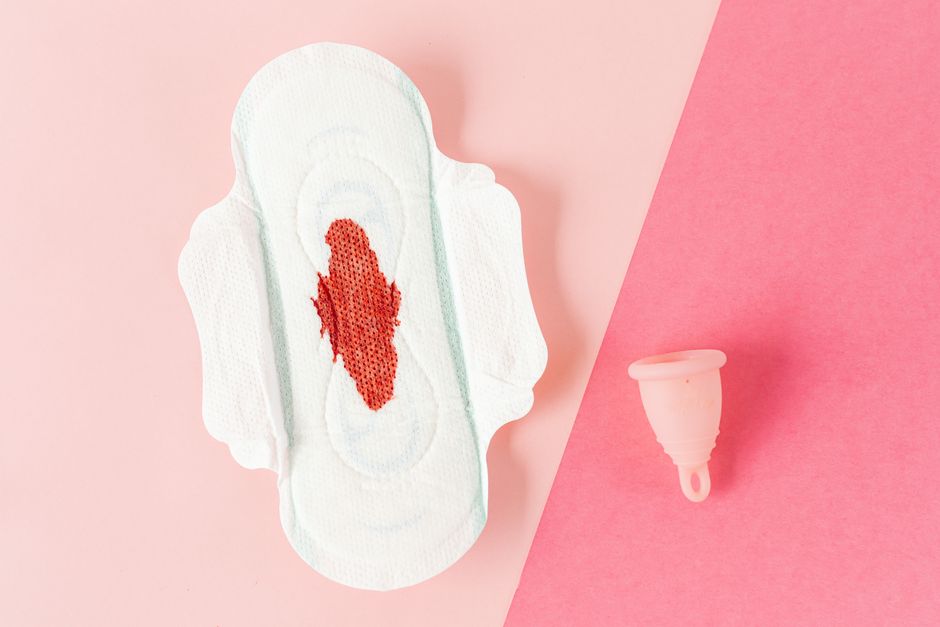
Yes, you can get blood work done on your period. Menstruation does not make blood draws unsafe or impossible, and most standard lab tests can be performed at any point in your cycle. That said, the phase of your cycle can shift certain hormone levels and a few other markers, so timing sometimes matters for how results are interpreted.
Can You Get Blood Work Done On Your Period?
There is no physical reason a period prevents a blood draw. The procedure itself is the same. A phlebotomist finds a vein, usually in your arm, cleans the site, and collects a sample into tubes. Bleeding from your uterus has no effect on that process.
The more useful question is whether your period changes what the test measures. For many routine tests, the answer is no. A complete blood count, a basic metabolic panel, liver enzymes, kidney function, and cholesterol are generally not interpreted differently based on where you are in your cycle. Your doctor orders these to assess your overall health, and menstruation does not usually distort the results in a way that changes their meaning.
Some tests are a different story. Hormone tests, in particular, are often tied to specific cycle days because the hormones themselves rise and fall in a predictable pattern. If your doctor is checking estrogen, progesterone, or certain fertility-related markers, the timing of the draw relative to your period can matter a great deal.
Which Blood Tests Are Affected By Your Period?
Hormone tests are the clearest example. During a normal menstrual cycle, levels of estrogen, progesterone, luteinizing hormone (LH), and follicle-stimulating hormone (FSH) shift in a coordinated way. A result that looks abnormal on one day might be entirely normal on another.
This is why fertility testing and hormone evaluation are often scheduled for specific cycle days. For example, FSH and estradiol are sometimes measured early in the cycle, around days two to four, because that window gives a more consistent baseline. Progesterone is often checked later, in the second half of the cycle, to confirm whether ovulation occurred. These are general clinical patterns, and your doctor will decide what timing makes sense for your situation.
Other markers can shift modestly with the cycle as well. Some research suggests that inflammatory markers like C-reactive protein and certain immune measures can vary across cycle phases, though the changes are usually small and not always clinically meaningful. Hemoglobin and ferritin deserve a mention too. Menstrual bleeding can lower iron stores over time, so a ferritin level drawn during or shortly after a heavy period may read lower than it would at another point. That is not a flaw in the test. It may actually be useful information about how much iron you are losing.
Does Your Period Change Blood Test Results?
For most standard panels, the effect is minimal. A comprehensive metabolic panel, thyroid function tests, and most screening labs are not routinely adjusted for cycle phase. Doctors interpret them the same way regardless of whether you are bleeding.
Where the cycle does matter, the changes tend to follow known physiology rather than random variation. Hormones fluctuate by design. Iron and ferritin can reflect recent blood loss. Some clotting factors and inflammatory markers can shift slightly. None of this makes the test invalid. It simply means the result needs to be read in context.
One practical point: if you are having unusually heavy bleeding, that is worth telling your doctor before or during the blood draw. Heavy menstrual bleeding can lead to iron deficiency anemia over time, and a ferritin or hemoglobin result is more useful when your doctor knows what your periods are actually like. Heavy bleeding is common and treatable, but it is easy to normalize and not mention.





Should You Tell Your Doctor You Are On Your Period?
Yes, and it is a simple thing to do. Mentioning where you are in your cycle helps your doctor interpret results correctly, especially for hormone tests. It also gives context if you are being evaluated for fatigue, heavy bleeding, or irregular cycles.
You do not need to reschedule a routine blood draw just because you started your period. If the test is not cycle-dependent, timing makes no difference. If it is cycle-dependent, your doctor will usually tell you when to come in. When in doubt, a quick call to the office before your appointment can save you a repeat visit.
It also helps to note whether you are using hormonal birth control, since these medications change your natural hormone patterns and affect how certain tests are interpreted. This is exactly the kind of detail that shapes how a result is read.
When Should You Schedule Blood Work During Your Cycle?
For general health screening, any day works. If you are getting a routine physical, checking cholesterol, or monitoring a chronic condition, there is no need to plan around your period.
For hormone and fertility testing, timing is often specified by your doctor. Common patterns include:
- Early cycle (around days two to four) for baseline FSH and estradiol
- Mid-cycle for tracking ovulation
- Later in the cycle (often around day 21 in a 28-day cycle) to check progesterone
These windows assume a regular cycle. If your cycles are irregular, the day count is less reliable, and your doctor may use a different approach, such as tracking with ultrasound or repeated testing. No single “best day” applies to everyone.
If you are checking iron or ferritin and have heavy periods, some clinicians prefer to test when you are not actively bleeding heavily, to get a clearer picture of your baseline stores. This is a reasonable practice, but it is not a universal rule. Ask your doctor what they prefer.
Does Fasting Or Timing Of Day Matter More Than Your Period?
For many tests, yes. Fasting status and time of day can affect results more than your menstrual cycle does.
Blood glucose, triglycerides, and certain cholesterol measurements are sensitive to whether you have eaten. Many labs ask for a fasting sample for these tests. Time of day matters too. Cortisol, for example, follows a strong daily rhythm and is typically highest in the early morning, which is why some cortisol testing is done at specific times.
So if you are juggling whether to fast, what time to come in, and whether you are on your period, the fasting and timing instructions usually take priority for the tests that require them. Your period is rarely the deciding factor for a routine panel.
What If You Feel Unwell During Your Period?
Feeling tired, crampy, or lightheaded during your period does not mean you cannot have blood drawn. But it is worth considering how you feel on the day. If you are prone to fainting or dizziness with blood draws, being well hydrated and having eaten (unless fasting is required) can help. Tell the phlebotomist if you tend to feel faint so they can position you safely.
If you are feeling significantly unwell, it is reasonable to mention it. In most cases, though, mild period symptoms are not a reason to postpone a blood draw.
Frequently Asked Questions
Can you get blood work done on your period?
Yes. Menstruation does not prevent a blood draw, and most routine tests can be done at any point in your cycle. Only certain hormone tests require specific cycle timing.
Does being on your period affect blood test results?
It can affect some results, mainly hormone levels and sometimes iron or ferritin. Most standard panels, like a metabolic panel or cholesterol check, are not interpreted differently based on your cycle.
Should I reschedule blood work if I start my period?
Usually no. For routine screening, timing does not matter. If your test is cycle-dependent, your doctor will have told you when to schedule it, so check with the office if you are unsure.
Do I need to tell my doctor I am on my period before a blood test?
It is helpful to mention it, especially for hormone testing or if you have heavy bleeding. This context helps your doctor interpret the results correctly.
