
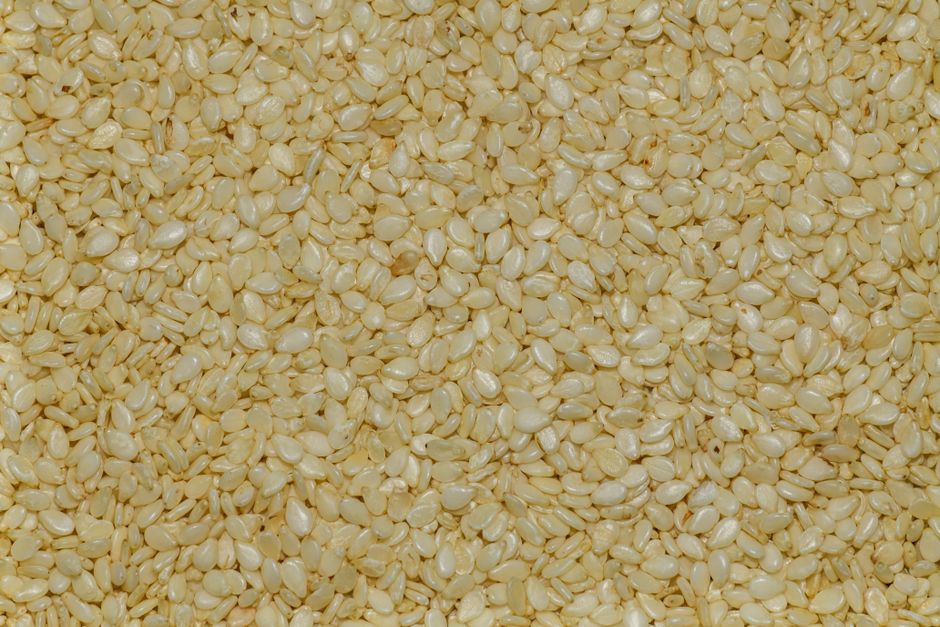
Yes, you can eat too many sesame seeds. Eating them in large amounts can cause digestive problems, increase your risk of kidney stones, add extra calories, or trigger a serious allergic reaction. For most people, a few tablespoons per day is safe and healthy. But going overboard — eating cups of seeds or large amounts of tahini regularly — can lead to unwanted side effects.
What happens if you eat too many sesame seeds?
The most common side effects are digestive. Sesame seeds are high in fiber, especially in their whole, unhulled form. A sudden increase in fiber can cause gas, bloating, and cramping. If you eat a very large amount — several cups — the fiber can even cause a temporary blockage in the gut, though this is rare.
Another concern is oxalates. Sesame seeds are one of the highest-oxalate foods. When oxalates build up in the body, they can combine with calcium to form kidney stones in people who are prone to calcium oxalate stones.
Calories also matter. One tablespoon of sesame seeds has about 50 calories. A cup of seeds has roughly 800 calories. If you eat large amounts regularly without adjusting for those calories, weight gain is likely.
For a small number of people, sesame triggers a dangerous allergic reaction. And for very rare individuals with certain medical conditions, the copper in sesame seeds can become a problem.
Can sesame seeds cause digestive problems?
Yes. One tablespoon of whole sesame seeds contains about 1 gram of fiber. That is not a lot on its own. But if you eat half a cup or more in one sitting, you get 15 to 20 grams of fiber at once. For a body not used to that, it can cause stomach pain, diarrhea, or constipation.
The hulls are the main source of that fiber. Hulled sesame seeds (the white ones) have less fiber than unhulled brown or black seeds. Even so, eating large quantities of any seed can overwhelm the digestive system. Drinking extra water helps, but the best approach is to increase serving sizes gradually.
Do sesame seeds contain oxalates?
Yes. Sesame seeds are very high in oxalates — among the highest of any common food. Oxalates are natural compounds found in many plants. In the body, they can bind to calcium and form crystals. For most people, those crystals pass harmlessly through the urine. But in people with a history of calcium oxalate kidney stones, high-oxalate foods can increase the risk of forming new stones.
Boiling or cooking does not remove oxalates from sesame seeds. If you have had kidney stones, especially calcium oxalate stones, it is wise to limit sesame seeds and tahini. No strict limit exists, but some kidney specialists recommend keeping high-oxalate foods to a single small serving per day.
The evidence here is well established. Research consistently shows that high dietary oxalate intake is associated with increased stone risk in susceptible people. For healthy people without a history of stones, the risk from normal servings of sesame seeds is very low.





Are sesame seeds high in calories?
Yes. Sesame seeds are about 50 percent fat by weight. That fat is mostly unsaturated — the heart-healthy kind. But everything counts toward total calorie intake. One tablespoon of whole seeds has about 50 calories. A quarter cup has about 200 calories. A full cup of seeds has roughly 800 calories.
Tahini, which is ground sesame paste, is even more calorie-dense because it is pure seeds with no air pockets. Two tablespoons of tahini have about 170 calories. Using tahini generously on salads, bowls, or sauces can add several hundred extra calories a day. If that fits your energy needs, it is not a problem. But if you are trying to lose weight, it is easy to underestimate how much you are actually eating.
Can you be allergic to sesame seeds?
Yes. Sesame is one of the nine major food allergens recognized by the U.S. Food and Drug Administration. Sesame allergy affects roughly 0.2 percent of the U.S. population — about one in 500 people. Reactions range from mild hives and itching to severe anaphylaxis that can be life-threatening.
The FDA now requires sesame to be listed on food labels as a separate allergen. This went into effect in 2023. If you have a known sesame allergy, you must avoid all forms of sesame, including whole seeds, tahini, sesame oil, and sesame flour. Even small amounts can trigger a reaction in sensitive individuals.
If you suspect you have a sesame allergy, see an allergist for testing. This is a serious condition that requires a diagnosis and a management plan.
Does copper in sesame seeds pose a risk?
For most people, no. Sesame seeds are rich in copper. One tablespoon provides about 0.4 milligrams of copper, which is roughly 45 percent of the daily recommended intake for adults. Copper is essential for nerve function, iron metabolism, and maintaining healthy blood vessels.
However, copper can accumulate to toxic levels in people with Wilson disease, a rare genetic disorder that prevents the body from excreting copper normally. For anyone with Wilson disease, high-copper foods like sesame seeds must be severely limited or avoided entirely.
For healthy adults, the body regulates copper well. There is no evidence that eating normal amounts of sesame seeds leads to copper toxicity. The risk only arises if you are consuming extraordinarily large amounts — such as multiple cups per day — over a long period, or if you take high-dose copper supplements alongside seeds. That is not a realistic concern for most people.
How many sesame seeds is too much?
No official upper limit exists for sesame seeds. For most adults, 2 to 4 tablespoons per day — either as whole seeds or tahini — is a reasonable and healthy amount. This provides fiber, healthy fats, and minerals without pushing calorie intake too high or overwhelming the digestive system.
Going above half a cup per day regularly increases the risk of the side effects discussed here: digestive discomfort from fiber, potential oxalate load for susceptible people, and excess calories. There is no benefit to eating very large amounts. Moderation matters.
If you are prone to kidney stones, have a digestive condition like irritable bowel syndrome (IBS), or are managing your weight, stick to the lower end of that range. If you have no health concerns, a couple of tablespoons daily is perfectly safe and provides nutritional benefits.
Frequently Asked Questions
Can eating too many sesame seeds cause kidney stones?
Yes, if you are prone to calcium oxalate kidney stones. Sesame seeds are very high in oxalates, which can combine with calcium to form stones in susceptible people.
How many sesame seeds can I eat per day?
For most people, 2 to 4 tablespoons per day is a safe amount. Eating more than half a cup regularly increases the chance of side effects.
Are sesame seeds bad for your digestion?
They can cause gas, bloating, or cramping if you eat too many at once, especially unhulled seeds. Increasing your intake gradually and drinking enough water helps.
Is sesame seed allergy common?
Sesame allergy affects about 1 in 500 people in the U.S. It is a recognized major allergen, and reactions can be severe. Anyone with a known allergy must avoid all sesame products.
