
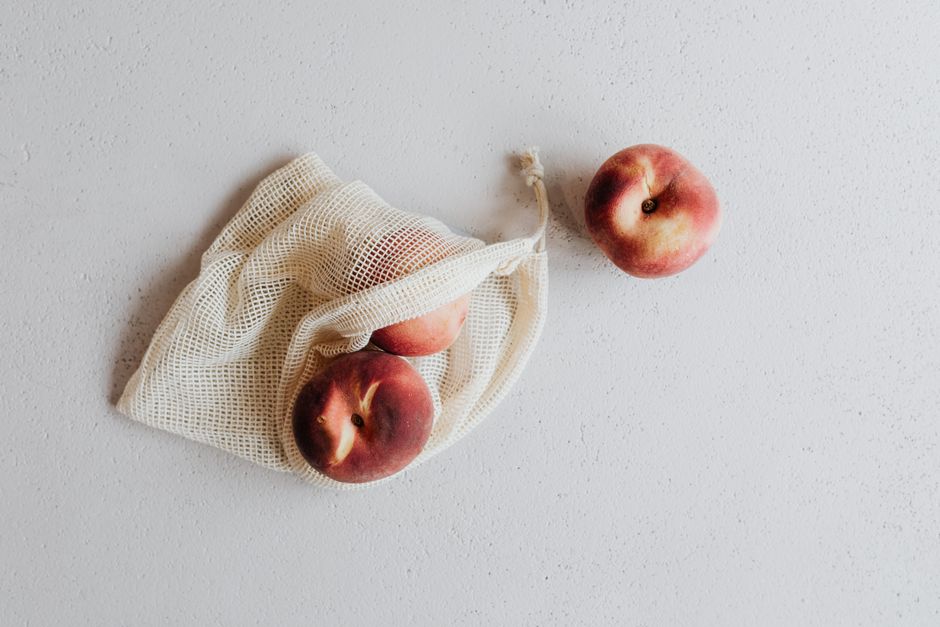
Yes, you can eat the skin on peaches. It is safe to eat and contains fiber, vitamins, and antioxidants that the flesh alone does not provide. The fuzzy texture bothers some people, but a good rinse under running water removes dirt and residues before you take a bite.
Is Peach Skin Safe To Eat?
Peach skin is safe for most people to eat. The skin is not toxic, and it is a common part of the fruit in many parts of the world. You do not need to peel a peach for health reasons.
The main concern with eating any fruit skin is pesticide residue. Peaches often appear on lists of produce with higher pesticide residues. That does not mean the fruit is dangerous. It means you should wash it well. Rubbing the skin under cool running water for a few seconds removes most surface residues. You do not need soap or produce washes for this.
People with a known allergy to peaches should be careful. The skin contains higher concentrations of the proteins that trigger allergic reactions compared to the flesh. If you have experienced mouth itching or swelling after eating peaches, the skin may make those symptoms worse.
What Nutrients Are In Peach Skin?
The skin of a peach holds a meaningful share of the fruit’s nutrition. A medium peach with the skin on provides about 2 grams of fiber. Most of that fiber is in the skin. Fiber supports digestion and helps you feel full after eating.
Peach skin also contains plant compounds called polyphenols. These act as antioxidants in the body. The skin has higher concentrations of these compounds than the flesh. You lose a portion of these antioxidants when you peel the fruit.
The vitamin C content in a peach is modest compared to citrus fruits. You still get some from the skin, along with vitamin A precursors. The difference between eating a peach peeled versus unpeeled is not huge for vitamins, but the fiber difference is real.
Can U Eat The Skin On Peaches If They Are Organic?
Yes, you can eat the skin on organic peaches. Organic farming standards restrict the types of synthetic pesticides that can be used. That lowers the residue concern compared to conventionally grown peaches.
Organic does not mean pesticide-free. Organic farmers can use approved natural pesticides. Washing is still a good idea. The fuzzy texture on organic peaches may also trap dust and soil, so a rinse before eating is practical.
Whether you choose organic or conventional peaches, the skin is edible. The choice between them is about pesticide exposure preferences, not about whether the skin is safe to consume.





How To Clean Peach Skin Before Eating
Washing peaches is simple. Hold the peach under cool running water and rub the surface with your fingers. This takes about 10 to 15 seconds per peach. The friction from rubbing removes more residue than letting water run over the fruit.
You can use a clean produce brush for firmer fruits, but peaches bruise easily. Finger rubbing is usually enough. Do not use dish soap or detergent on fruit. These products are not approved for food use and can leave residues that are not safe to consume.
If you want to remove the fuzz, you can rinse the peach and then gently rub it with a clean towel. This does not remove the skin. It just makes the surface smoother. Some people find this makes the peach more pleasant to eat.
Why Do Peach Skins Have Fuzz?
The fuzz on peach skin is a natural protective layer. It helps shield the fruit from insects and moisture loss. The tiny hairs create a barrier that keeps the fruit from drying out as it ripens on the tree.
Nectarines are a smooth-skinned variant of the same fruit species. They are not a cross between a peach and a plum, as some people believe. They are peaches with a recessive gene that produces smooth skin. The nutritional profile of nectarine skin is similar to peach skin.
The fuzz is harmless. It is plant fiber. It does not contain any compound that causes irritation in most people. Some individuals find the texture unpleasant, but it is not a health hazard.
Does Cooking Change Peach Skin Safety?
Cooking peaches with the skin on is safe. Heat does not make the skin toxic. Grilled peaches, baked peaches, and peach jam made with unpeeled fruit are all fine to eat.
Heat can reduce some vitamin content, particularly vitamin C. The fiber and antioxidant content largely survive cooking. If you are making a pie or crisp, leaving the skin on adds texture and color to the filling.
For jam and preserves, some recipes call for peeling because the skin can create a slightly chewy texture in the final product. That is a texture preference, not a safety issue. You can leave the skin on if you do not mind the texture.
Are There Any Risks To Eating Peach Skin?
For most people, there are no meaningful risks. The two situations where caution matters are allergies and certain digestive conditions.
People with a peach allergy may react more strongly to the skin. The proteins that cause allergic responses are more concentrated in the skin. If you have had a reaction to peaches before, you should discuss this with your doctor before eating the skin.
People with irritable bowel syndrome or other digestive sensitivities may find the fiber in peach skin harder to tolerate. The skin is tougher than the flesh and requires more chewing. If you have trouble digesting raw fruits with skins, you may prefer peeled peaches or cooked peaches.
There is no evidence that peach skin contains any harmful compound. The concerns are limited to pesticide residues, which washing addresses, and individual sensitivities.
Frequently Asked Questions
Do you have to peel peaches before eating them?
No, you do not have to peel peaches. The skin is safe to eat and contains fiber and antioxidants.
Does peach skin have more pesticides than the flesh?
Peach skin can contain higher pesticide residues than the flesh because the skin is the outer protective layer. Washing the peach under running water before eating reduces surface residues.
Can dogs eat peach skin?
The skin itself is not toxic to dogs, but the pit is dangerous and can cause choking or intestinal blockage. Only offer small pieces of peach flesh without the pit to your dog.
Why do some people peel peaches before eating them?
Most people peel peaches because they dislike the fuzzy texture. It is a personal preference, not a health requirement.
