
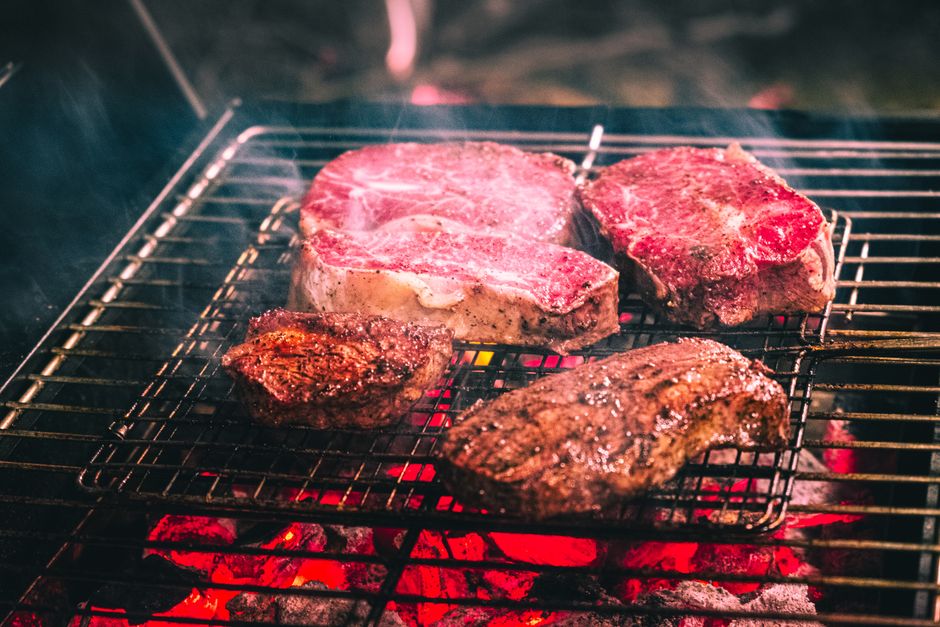
Yes, you can eat steak with braces, but not the same way you did before getting them. The key is to cut the steak into small, bite-sized pieces before you start chewing. You should also choose tender cuts of meat and cook them thoroughly. Chewing directly into a thick piece of steak with your back teeth is a common way to bend wires or pop off brackets. With the right preparation and technique, you can still enjoy steak without making an emergency trip to your orthodontist.
What Happens When You Bite Into Steak With Braces?
Braces are attached to your teeth with brackets and a wire that runs through them. That wire applies steady pressure to move your teeth into new positions. That pressure works best when the wire is intact and the brackets stay glued to your teeth.
When you bite into a thick, chewy piece of steak, your front teeth take the first impact. That force transfers directly to the brackets on those teeth. A hard bite can snap a bracket loose or bend the archwire out of shape. Both problems mean a trip to the orthodontist for a repair, and they can add weeks to your treatment time.
The chewing motion also matters. Grinding a tough piece of meat between your molars can twist the wire and put uneven pressure on individual teeth. This can slow down your tooth movement or cause sore spots that were not part of the plan.
How to Eat Steak Safely With Braces
The single most important rule is to cut the steak before you eat it. Do not bite into a whole piece. Use a knife to cut it into pieces roughly the size of a pea or smaller. This changes the job your teeth have to do. Instead of tearing through a tough slab, your molars only need to crush a small, soft piece.
Choosing the right cut of meat makes a big difference. Tender cuts like filet mignon, ribeye, and sirloin are easier to chew than tougher cuts like flank steak or skirt steak. These tougher cuts have more connective tissue that requires more chewing force to break down.
How you cook the steak matters just as much as the cut. Overcooking removes moisture and makes any cut tougher. Cooking to medium or medium-rare keeps the muscle fibers softer. Marinating the steak for several hours before cooking can also help break down some of the connective tissue, especially for tougher cuts.
Steps for Eating Steak with Braces
- Ask for your steak cooked medium or medium-rare if you eat meat at that temperature.
- Cut the entire steak into small pieces before you start eating.
- Chew slowly using your back molars, not your front teeth.
- Keep a glass of water nearby to help wash down any pieces that feel stuck.
- Check your braces in a mirror after eating to make sure nothing is loose or bent.
What About Steak Alternatives That Are Easier on Braces?
Some people find that even with careful preparation, steak is still too much work. That is common in the first few weeks after getting braces or after a tightening appointment. Your teeth are more sensitive during these periods, and the pressure from chewing can be uncomfortable.
Ground beef is a practical alternative. A hamburger patty or meatballs made from ground beef are already broken down into small particles. They require far less chewing force than a whole steak. You still need to cut a burger into pieces if the bun is hard or crusty, but the meat itself is much easier on your braces.
Other protein sources that are gentle on braces include shredded beef, slow-cooked roasts, and stewed meats. These cooking methods break down the connective tissue over hours, leaving the meat soft enough to pull apart with a fork. You get the flavor of beef without the chewing resistance.
If you want to keep eating steak regularly, consider cooking methods that tenderize the meat. Slow cooking, pressure cooking, or braising are all effective. Grilling works well too, but only if you choose a tender cut and do not overcook it.




What to Do If You Damage Your Braces Eating Steak
Damage can happen even when you are careful. A loose bracket or a bent wire is not an emergency, but it does need attention. Call your orthodontist’s office and explain what happened. They will tell you whether you need to come in for a repair or if it can wait until your next scheduled visit.
If a wire is poking into your cheek or gum, you can use orthodontic wax to cover the sharp end temporarily. You can buy wax at most drugstores. Press a small ball of it over the wire to create a smooth surface. This is a temporary fix to keep you comfortable until you can see your orthodontist.
Do not try to fix a bent wire yourself. Cutting a wire with household scissors or pliers can damage your braces further and create sharp edges that injure your mouth. Leave the repair to a professional.
In the meantime, switch to soft foods. Mashed potatoes, soup, yogurt, and scrambled eggs are all safe options. Avoid anything crunchy, sticky, or hard until your braces are back in working order.
How Long Do You Need to Avoid Steak After Getting Braces?
There is no fixed rule that applies to everyone. Some people can eat steak within a few days of getting braces. Others need a week or more. It depends on how much discomfort you feel and how quickly your mouth adjusts.
The first few days after getting braces are usually the most uncomfortable. Your teeth are adjusting to the new pressure, and chewing anything firm can hurt. Most orthodontists recommend a soft-food diet for the first few days. After that, you can gradually reintroduce firmer foods as your comfort allows.
The same advice applies after a tightening appointment. Your teeth may feel sore for a day or two. During that window, stick to softer foods and wait until the soreness fades before trying steak again.
Your orthodontist will give you specific guidance at each visit. Follow their instructions. They know your treatment plan and can tell you when your teeth are ready for normal chewing.
Does Eating Steak Slow Down Orthodontic Treatment?
Eating steak itself does not slow down treatment. The problem is damage to the braces. A bent wire no longer applies the correct pressure to your teeth. That means your teeth stop moving in the right direction until the wire is replaced. A loose bracket means that tooth gets no pressure at all until it is reattached.
Every repair visit adds time to your treatment. The tooth movement process pauses while the braces are being fixed. If you have repeated damage, those delays add up. Being careful with what you eat is one of the easiest ways to stay on schedule.
Some research suggests that chewing firm foods does not help teeth move faster. The movement comes from the pressure of the wires and brackets, not from chewing. So there is no benefit to pushing through tough foods to “speed things up.” You gain nothing by eating steak other than the meal itself.
Frequently Asked Questions
Can I eat steak the first week with braces?
It is not recommended. Your teeth are sore and adjusting to the new pressure, so chewing firm foods can be painful and increases the risk of damaging your braces. Stick to soft foods for the first few days and reintroduce steak gradually as your comfort allows.
What is the best cut of steak for braces?
Filet mignon and ribeye are among the most tender cuts and require the least chewing force. Tougher cuts like flank steak or skirt steak have more connective tissue and are harder to chew safely.
Can a loose bracket from eating steak fix itself?
No. A loose bracket will not reattach on its own and requires an orthodontist to re-cement it. Call your orthodontist for guidance and use orthodontic wax if a wire is causing irritation.
Is it okay to eat steak with rubber bands on braces?
Yes, but the same precautions apply. Cut the steak into small pieces and chew with your back teeth. Rubber bands add tension to your braces, so be extra careful not to bite into the steak directly.
