
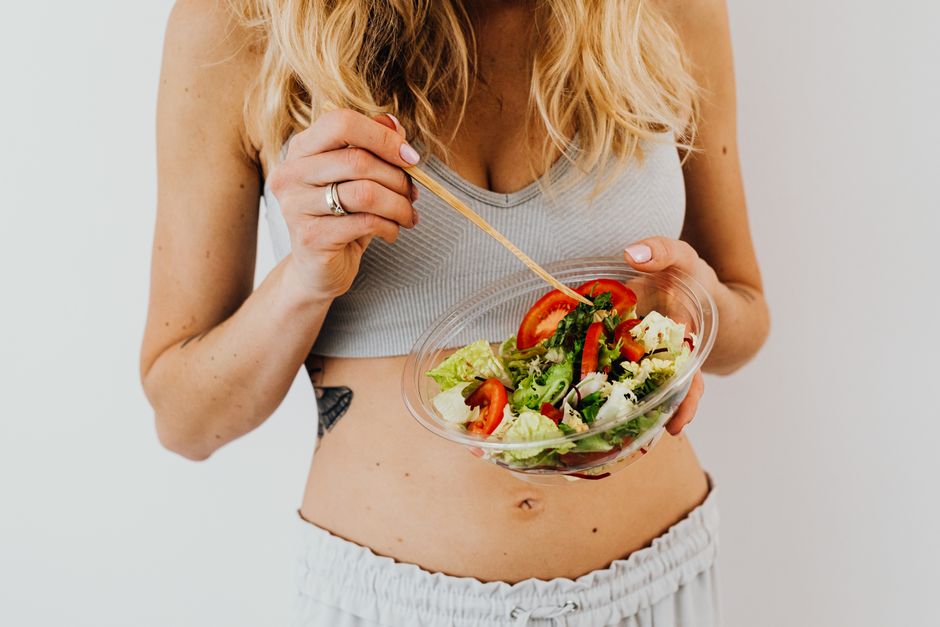
Yes, you can eat salad with IBS, but the ingredients and preparation matter a lot. Many people with irritable bowel syndrome avoid salads because raw vegetables and certain dressings can trigger bloating, gas, or pain. However, with the right choices, salads can be a nutritious, well-tolerated part of your diet. The key is understanding which fibers and compounds in salad ingredients cause symptoms and how to adjust them.
Can You Eat Salad With IBS? Understanding the Core Problem
Salads often contain raw vegetables that are high in insoluble fiber and FODMAPs—fermentable carbohydrates that pull water into the gut and produce gas. For people with IBS, these substances can trigger cramps, diarrhea, or constipation. But “salad” is not one fixed dish. You can swap, cook, or portion ingredients to make a salad that is gentle on your digestive system while still providing vitamins, minerals, and fiber.
Why Do Raw Vegetables Trigger IBS Symptoms?
The main culprit is insoluble fiber. This type of fiber does not dissolve in water. It adds bulk to stool and speeds up movement through your colon. For someone with IBS, especially with diarrhea-predominant IBS, insoluble fiber can worsen urgency and loose stools. For constipation-predominant IBS, it may help, but raw forms can still cause gas because the fiber is not broken down during digestion; bacteria in the colon ferment it, producing gas.
Another issue is FODMAPs. Many salad ingredients—onions, garlic, certain fruits, beans, and some leafy greens—contain high levels of fructose, fructans, or polyols. These short-chain carbohydrates are poorly absorbed in the small intestine and rapidly fermented by gut bacteria, leading to bloating and pain. A low-FODMAP diet is one evidence-based approach for managing IBS, though it should be done under dietitian guidance.
Which Salad Ingredients Are Safest for IBS?
Some vegetables are lower in FODMAPs and better tolerated by many people with IBS. Examples include:
- Lettuce (butter, red leaf, romaine) – low in FODMAPs
- Spinach (baby spinach in moderate amounts)
- Carrots (raw, peeled)
- Cucumber (without seeds)
- Zucchini (raw or lightly cooked)
- Bell peppers (red, yellow, green in small amounts)
- Tomatoes (cherry or regular, but avoid large amounts of sun-dried or sauce)
Onions and garlic are common triggers. You can use infused olive oil or asafetida to add flavor without high FODMAPs. Choose low-FODMAP fruits like strawberries, blueberries, or a small amount of banana if you add fruit.





How to Make a Low-FODMAP Salad That Still Tastes Good
Build your salad base from lettuce or a mix of low-FODMAP greens. Add a protein source: grilled chicken, firm tofu, canned tuna (in water), or hard-boiled eggs. Protein helps slow digestion and keeps you full without adding fermentable carbs.
For toppings, consider:
- Low-FODMAP nuts (walnuts, pecans, almonds in small amounts – limit to 10-15 nuts)
- Seeds (pumpkin, sesame, sunflower)
- Cucumber, bell pepper, carrot
- Olives (black or green, but avoid stuffed with garlic)
- Low-FODMAP cheese (cheddar, Swiss, mozzarella in moderate amounts)
Skip croutons made from wheat bread. Use gluten-free croutons or roasted chickpeas (in small portions) if tolerated.
Dressings: A Hidden Source of Triggers
Many bottled dressings contain garlic powder, onion powder, high-fructose corn syrup, or emulsifiers that can worsen IBS. Simple dressings are safer. Mix olive oil with lemon juice or apple cider vinegar. Add herbs like oregano or basil for flavor without FODMAPs. Avoid cream-based dressings if you are lactose intolerant. Read labels carefully.
Does Cooking Vegetables Help in Salads?
Yes. Cooking breaks down some of the insoluble fiber and reduces FODMAP content in certain vegetables. A salad made from roasted carrots, bell peppers, and zucchini is often better tolerated than one with raw versions. You can also lightly steam or blanch vegetables like broccoli or kale before adding them. The texture changes, but the nutritional value remains good.
Nutritional Benefits of a Well-Tolerated Salad for IBS
When you choose ingredients that work for you, salads provide important nutrients that support gut health. Leafy greens supply vitamin K, folate, and magnesium. Carrots and bell peppers offer vitamin C and beta-carotene. Healthy fats from olive oil or avocado (in small amounts) help absorb fat-soluble vitamins. The soluble fiber in oats, carrots, or berries (if added) can help regulate bowel movements by forming a gel that slows transit.
Some research suggests that people with IBS may have lower intakes of certain vitamins and minerals because they restrict many foods. A well-planned salad can fill those gaps without causing symptoms. The key is variety in low-FODMAP choices, not repetition of the same few ingredients.
Portion Size and Timing Matter
Even low-FODMAP ingredients can cause symptoms if you eat a very large portion. A large volume of any high-fiber food can distend the stomach and colon, triggering pain. Start with a side salad (about one cup of greens) and see how you feel. Gradually increase portion size over several days. Also, consider eating your salad earlier in the day, not right before bed, to give your digestive system time to process the fiber.
Common Myths About Salads and IBS
Myth: All fiber is bad for IBS. False. Soluble fiber (found in oats, carrots, psyllium) is often helpful. Insoluble fiber (wheat bran, raw vegetables) can be problematic for some people, but not everyone reacts the same way.
Myth: You must avoid raw vegetables completely. Not true. Many raw vegetables are low in FODMAPs and tolerated in reasonable portions. The issue is more about which specific vegetables and how much you eat.
Myth: Salad has no redeeming nutritional value for people with IBS. Incorrect. The right salad provides vitamins, minerals, and fiber that support overall health and may improve gut function when consumed consistently.
How to Test Your Tolerance With a “Salad Challenge”
To figure out which salad ingredients work for you, keep a symptom diary. Start with a simple base of two or three low-FODMAP vegetables. Eat that same salad for a few days and note any changes. Then add one new ingredient at a time, waiting 24 to 48 hours to see if symptoms appear. This systematic approach helps you identify personal triggers without guesswork.
If you have a history of disordered eating or are underweight, do not start strict elimination without professional guidance. A registered dietitian can help you avoid unnecessary restrictions and ensure nutrient adequacy.
Frequently Asked Questions
Is it safe to eat salad every day with IBS?
For many people, yes, if you choose low-FODMAP ingredients and control portion sizes. Daily salad can be part of a balanced diet, but variety is important to avoid becoming sensitive to one food.
What is the best dressing for IBS salad?
Simple dressings like olive oil with lemon juice or vinegar are usually well tolerated. Avoid dressings with garlic, onion, high-fructose corn syrup, or emulsifiers. Read labels carefully.
Can I eat kale salad with IBS?
Kale is high in insoluble fiber and may cause gas or bloat for some people. If you tolerate it, start with a small amount of cooked or massaged kale. Raw kale can be harder to digest.
Does iceberg lettuce trigger IBS?
Iceberg lettuce is very low in fiber and FODMAPs, so it is generally safe. However, its lack of nutrients makes it less beneficial than darker greens. Low-FODMAP does not guarantee zero symptoms for everyone.
