
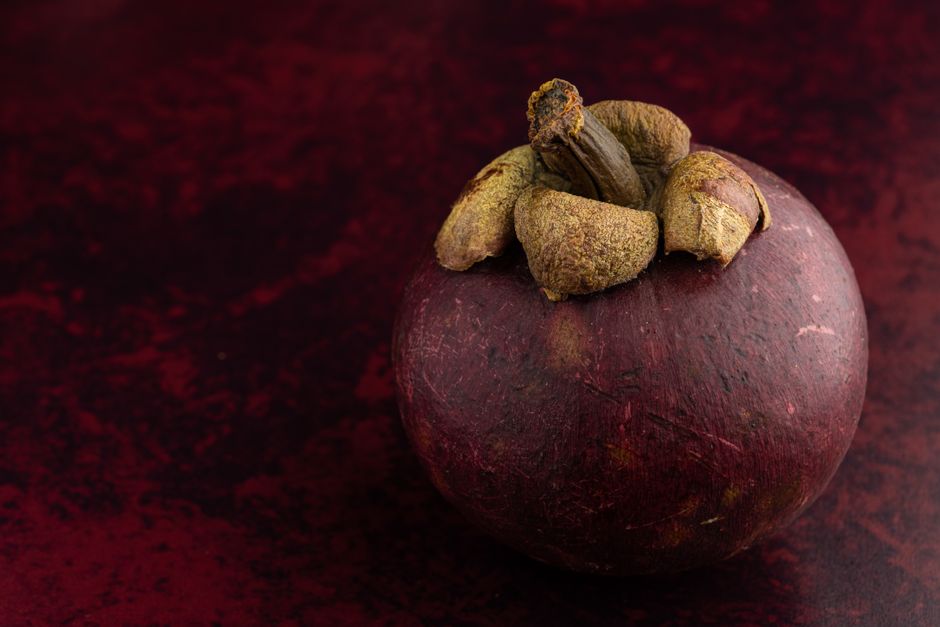
Mangosteen is a tropical fruit known for its sweet, tangy interior, but its thick, purple rind is a different story. The skin is tough, bitter, and not meant to be eaten like the fruit’s flesh. While the rind contains plant compounds that have been studied for their antioxidant properties, eating it directly is not recommended, and no current guidelines suggest it is safe for human consumption in whole form.
What Is the Mangosteen Skin Made Of?
The mangosteen rind is thick and leathery. It contains a dense network of fibers and a group of plant chemicals called xanthones. These compounds are what give the skin its dark purple color and bitter taste.
Xanthones are polyphenols. Polyphenols are naturally occurring antioxidants found in many fruits, vegetables, and spices. The mangosteen rind has a higher concentration of these compounds than the edible white flesh inside.
But a high concentration of a compound in a plant does not mean the plant part is safe to eat raw. The rind is not digestible in the way the flesh is. It is fibrous and hard, and eating it can be unpleasant and potentially irritating to the digestive tract.
Can You Eat Mangosteen Skin?
You can physically bite into the rind, but you should not. It is not toxic in the way some plant parts are, but it is not food.
The rind is extremely bitter. It can cause stomach discomfort in some people. Chewing it is difficult because of its tough texture. Swallowing large pieces could create a choking hazard or cause a blockage in the intestines.
There is no established safe serving size for eating mangosteen rind raw. No clinical guidelines exist for this practice. That alone is a strong reason to avoid it.
What Are the Purported Benefits of Mangosteen Skin?
Most of the interest in mangosteen skin comes from laboratory studies. These studies look at xanthones, particularly one called alpha-mangostin.
In test tubes and animal models, alpha-mangostin has shown antioxidant and anti-inflammatory activity. Some research suggests it may have effects on certain types of bacteria and cancer cells. This has driven the popularity of mangosteen supplements and juices that claim to use the rind’s extracts.
Here is the critical distinction: laboratory effects do not translate automatically to human benefits. No large human trials have confirmed that eating mangosteen skin or taking its extracts provides measurable health benefits in people. The evidence is in early stages.
Some studies suggest that xanthones may contribute to reducing oxidative stress in the body. Oxidative stress is a normal biological process linked to aging and chronic disease. But eating the raw rind is not an effective or studied way to capture these compounds.



What Are the Risks of Eating Mangosteen Skin?
The risks are more concrete than the benefits. The rind is not designed for consumption.
- Digestive irritation: The tough fibers and tannins in the rind can irritate the stomach lining. Nausea, cramping, and vomiting are possible if you eat a significant amount.
- Choking and blockage: The rind is hard and does not break down easily when chewed. Large pieces can lodge in the throat or intestine.
- Pesticide residue: Mangosteens are often sprayed during farming. The skin is the part most exposed to these chemicals. Washing the outside does not guarantee removal of all residues.
- Interaction with medications: Some research on xanthones suggests they may affect blood clotting or interact with certain drugs. This is not well studied in humans, but it is a reason to be cautious.
No clinical evidence currently confirms that eating the rind is safe for pregnant women, children, or people with digestive conditions. For these groups, the risk is higher and the potential benefit is unproven.
How Do People Use Mangosteen Skin?
People do not usually eat the rind whole. Instead, it is processed into powders, teas, or extracts.
Dried mangosteen rind is sometimes ground into a powder and added to smoothies or teas. This makes the texture easier to handle, but the bitterness remains. Some people mix it with sweeteners to mask the taste.
Commercial supplements often use mangosteen rind extract. These products are standardized to contain a certain amount of xanthones. They are sold as capsules, liquids, and powders.
The supplement market is not tightly regulated. Products may not contain what the label claims. The actual amount of active compounds can vary widely between brands. Some research has found that supplement contents do not always match their labels.
What Does the Evidence Say About Mangosteen Supplements?
The evidence for mangosteen supplements is mixed. Some small human studies have looked at whether mangosteen juice or extract affects inflammation markers or antioxidant levels in the blood.
Some studies indicate that short-term use of mangosteen products may increase antioxidant capacity in the blood. Other studies show no significant effect on health outcomes like cholesterol, blood sugar, or body weight.
The research is limited by small sample sizes and short durations. No large, long-term human trials have been conducted. This means the long-term safety of concentrated mangosteen extracts is not established.
Many supplement companies market mangosteen as a cure for serious conditions like cancer, diabetes, or heart disease. No study has confirmed any of these claims. These marketing statements are not supported by clinical evidence.
Is There a Safe Way to Eat Mangosteen?
The safe part of the fruit is the white flesh. It is soft, juicy, and sweet. It contains vitamins, minerals, and fiber.
To prepare a mangosteen, use a knife to score the outer rind. Twist it open and remove the white segments. Do not eat the seeds, which are hard and bitter.
The flesh is safe for most people. It is low in calories and provides a good amount of vitamin C and folate. It also contains some xanthones, though at much lower levels than the rind.
If you are interested in the potential benefits of xanthones, eating the flesh is a reasonable way to get some of these compounds without the risks of the rind. But the amounts are small, and you should not expect a medicinal effect from eating the fruit.
What Should You Do If You Have Already Eaten Mangosteen Skin?
Eating a small bite of the rind by accident is not a medical emergency for most healthy adults. You may experience a bitter taste and mild stomach upset.
Drink water to help wash down any remaining pieces. Watch for symptoms like severe abdominal pain, vomiting, or difficulty swallowing. These symptoms would require medical attention.
If you swallowed a large piece and it does not pass, seek medical care. Intestinal blockages are rare but serious.
For children, the risk is different. Their digestive tracts are smaller. If a child eats a significant piece of mangosteen skin, contact a healthcare provider for guidance.
Frequently Asked Questions
Is mangosteen skin poisonous?
No, the skin is not known to be poisonous in the traditional sense. But it is not safe to eat in large amounts because it can cause digestive irritation or blockages.
Can you boil mangosteen skin and drink it as tea?
Some people boil the dried rind to make tea, but no clinical evidence confirms this is beneficial or safe. The tea will contain some xanthones, but the concentration and effects in humans are not well studied.
What does mangosteen skin taste like?
The rind is intensely bitter and astringent. It is not sweet like the fruit’s white flesh, and the texture is tough and fibrous.
Are mangosteen supplements safe to take daily?
Long-term safety of daily mangosteen supplements is not established. Some small studies have looked at short-term use, but no large trials have confirmed safety or effectiveness for daily consumption.
