
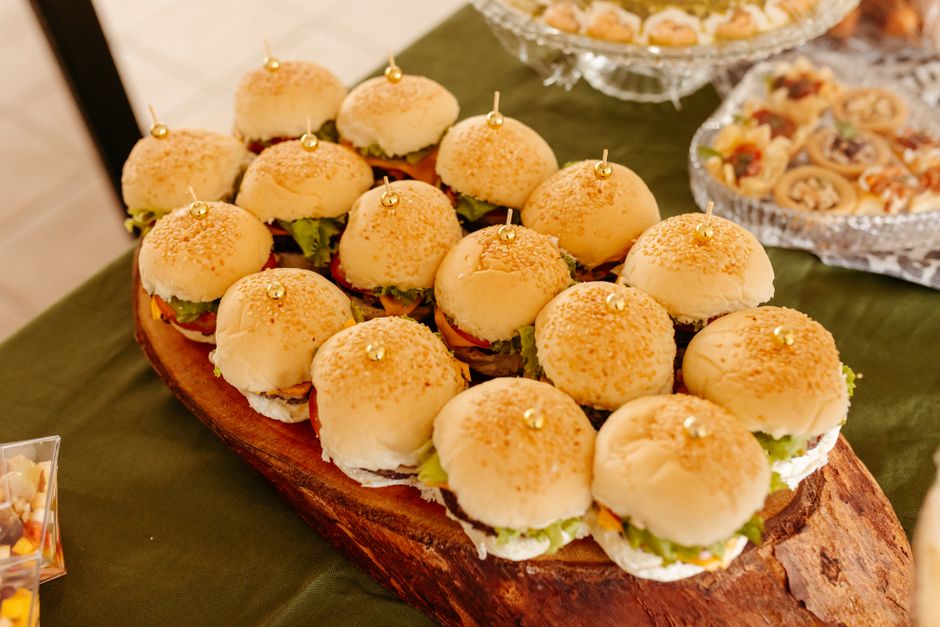
If you have diverticulitis, a hamburger is usually not the best choice, especially during a flare-up. During an active attack, doctors typically recommend a clear liquid diet or a low-fiber diet to let your colon rest and heal. A standard hamburger with a bun contains too much fiber and fat for this phase. Once your symptoms have completely resolved, you can often tolerate a lean hamburger again, but how you prepare it and what you put on it matters more than the beef itself.
What Is Diverticulitis and Why Does Food Matter?
Diverticulitis happens when small pouches, called diverticula, form in the lining of the colon and become inflamed or infected. Many people have these pouches without ever having symptoms. That condition is called diverticulosis. When the pouches become inflamed, that is diverticulitis.
During an active flare-up, the colon is swollen and irritated. Food passing through can rub against the inflamed tissue and cause more pain. That is why the main goal of eating during a flare-up is to give your bowel a rest. A clear liquid diet, followed by a low-fiber diet, is the standard approach recommended by gastroenterologists.
Can You Eat Hamburger With Diverticulitis During a Flare-Up?
No. During an active flare-up, a hamburger is not recommended. The bun provides fiber that can irritate an inflamed colon. The beef, especially if it is high in fat, can stimulate the digestive tract and increase cramping. Even a plain patty without a bun is too much for most people during the acute phase.
During the first few days of a flare-up, stick to clear liquids. Broth, clear juices without pulp, plain water, and gelatin are typical options. As symptoms improve, you can slowly add low-fiber foods like white rice, plain pasta, and well-cooked vegetables without skins. A hamburger should wait until your symptoms have fully resolved, which usually takes several days to a week.
Can You Eat Hamburger With Diverticulitis After Recovery?
Yes, once you have fully recovered, most people can eat a hamburger again without problems. The key is to reintroduce it gradually and pay attention to how your body responds.
When you do add hamburger back to your diet, choose lean ground beef. A higher-fat patty can trigger digestive discomfort even in people without diverticulitis. Cook the patty well and consider skipping the bun at first to reduce fiber load. You can also test with a smaller portion, like a slider, before committing to a full burger.
Some people find that certain toppings cause more trouble than the beef itself. Onions, spicy sauces, and high-fiber vegetables like lettuce or tomato can be harder to digest. Start with a plain patty and add one topping at a time to identify what works for you.

What Does the Evidence Say About Nuts, Seeds, and Burgers?
For years, doctors told people with diverticulitis to avoid nuts, seeds, popcorn, and foods with small hard particles. The belief was that these foods could get trapped in the diverticula and cause inflammation. That advice has changed.
Research has not found a link between eating nuts, seeds, or popcorn and an increased risk of diverticulitis flare-ups. A large study published in the Journal of the American Medical Association followed over 47,000 men for 18 years and found no association between eating these foods and developing diverticulitis or diverticular bleeding. This finding led major medical organizations to stop recommending that people avoid these foods.
This matters for hamburgers because a sesame seed bun is often on the “avoid” list. The evidence does not support avoiding sesame seeds. If you tolerate seeds well, a sesame seed bun is not likely to cause a flare-up. The bigger concern is the total fiber and fat content of the meal, not the seeds on top.
What Is the Best Way to Eat a Hamburger With Diverticulitis?
If you are in the recovery phase and want to test a hamburger, preparation matters. Choose a lean patty, ideally 90% lean or higher. Grill or broil it so excess fat drains away. Skip the bun initially or choose a white bun instead of whole wheat, since white bread is lower in fiber.
Keep the toppings simple. A slice of cheese is usually fine. Ketchup and mustard are low-fiber and generally well tolerated. Avoid raw onions, lettuce, tomato, and spicy sauces during your first test. Eat slowly and stop if you feel any discomfort.
If you tolerate the plain burger well, you can gradually add back your usual toppings. The goal is to identify your personal tolerance level. Some people with diverticulitis never have trouble with any foods after recovery. Others find that certain items consistently cause symptoms. Your experience is the best guide.
What Foods Should You Avoid With Diverticulitis?
There is no single list of foods that all people with diverticulitis must avoid. The evidence does not support a universal “no” list beyond the temporary restrictions during an active flare-up.
During a flare-up, you should avoid high-fiber foods, fatty foods, and foods that are hard to digest. This includes red meat in large portions, fried foods, whole grains, raw vegetables, and fruits with skins or seeds. These foods can increase bowel movement frequency and pressure in the colon, which may worsen pain.
After recovery, most experts recommend a diet rich in fiber from fruits, vegetables, and whole grains. A high-fiber diet is associated with a lower risk of developing diverticulitis in the first place. Some research suggests that a diet high in red meat is associated with a higher risk of diverticulitis, but the overall evidence is not strong enough to say red meat causes flare-ups.
How Long Should You Wait Before Eating a Hamburger?
There is no standard timeline that works for everyone. The typical recovery period for a mild diverticulitis flare-up is about 3 to 7 days. Your symptoms should be completely gone before you try a hamburger.
If you had a severe flare-up that required hospitalization or antibiotics, your recovery may take longer. Your doctor can give you specific guidance based on your situation. Some doctors recommend staying on a low-fiber diet for a few weeks after a severe episode.
When you do reintroduce a hamburger, do it at home where you can control the ingredients and portion size. Avoid eating a burger at a restaurant for your first test, because you cannot control how much fat or fiber is in the meal.
When Should You See a Doctor?
Diverticulitis can range from mild to severe. You should see a doctor if you have fever, persistent abdominal pain, vomiting, or blood in your stool. These can be signs of a complicated infection that requires medical treatment.
If your symptoms do not improve after 2 to 3 days of a clear liquid diet, contact your doctor. Some people need antibiotics or other treatments. In rare cases, diverticulitis can lead to an abscess, a perforation, or a blockage in the colon. These are medical emergencies.
Do not try to manage a severe flare-up with diet alone. A hamburger is the last thing you should think about if you have significant pain or fever. Seek medical care first.
Frequently Asked Questions
Can I eat a hamburger during a diverticulitis flare-up?
No, not during an active flare-up. A hamburger contains too much fiber and fat, which can irritate an inflamed colon. Stick to clear liquids and low-fiber foods until symptoms resolve.
Can I eat a hamburger after diverticulitis recovery?
Yes, most people can eat a lean hamburger after full recovery. Start with a small portion, skip the bun at first, and avoid high-fiber toppings like onions and lettuce.
Are sesame seed buns bad for diverticulitis?
No, research does not support avoiding seeds or nuts. Studies have found no link between eating seeds and an increased risk of diverticulitis flare-ups.
How long after a diverticulitis flare-up can I eat normally?
Most mild flare-ups resolve within 3 to 7 days. Wait until your symptoms are completely gone, then gradually reintroduce foods starting with low-fiber options.
