
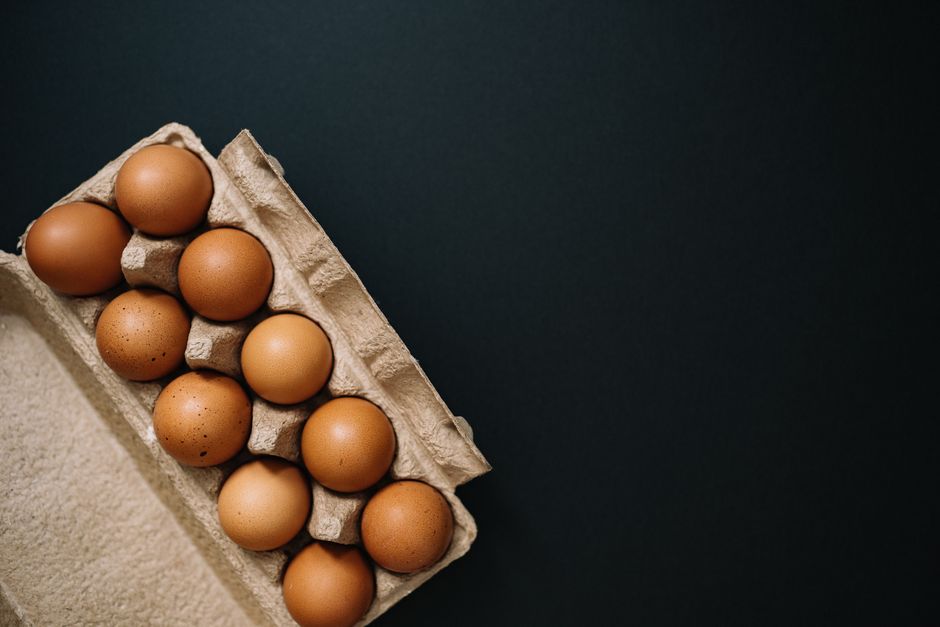
Eggs are one of the most common foods in American kitchens, and one of the most confusing when it comes to dates on the carton. The short answer is yes, you can often eat eggs beyond the expiration date, but it depends on several factors. The date on the carton is usually a quality indicator, not a safety deadline, and eggs stored properly in the refrigerator can remain safe to eat for weeks past that date. However, you must check for signs of spoilage before consuming them, because a bad egg can cause serious food poisoning.
What Do the Dates on Egg Cartons Actually Mean?
Most people assume the date printed on an egg carton is a safety cutoff. It is not. The USDA requires that cartons carrying a federal grade mark show the pack date, which is a three-digit number representing the day of the year. Many states also require a sell-by or expiration date, but these dates are about peak quality, not food safety.
A “sell-by” date tells the store how long to display the eggs. An “expiration” date is the manufacturer’s estimate of when quality begins to decline. Eggs are typically safe to eat for 3 to 5 weeks after the sell-by date if they have been refrigerated continuously. This is an established standard from food safety authorities, not a marketing claim.
The key factor is continuous refrigeration. Eggs left at room temperature for more than 2 hours should be discarded. Temperature fluctuations cause condensation on the shell, which can allow bacteria to enter through the shell’s pores.
How Long Are Eggs Actually Safe to Eat?
Refrigerated eggs can remain safe for consumption for several weeks past the date on the carton. The USDA states that fresh shell eggs can be kept refrigerated for 3 to 5 weeks after the sell-by date. This means an egg with a sell-by date of the first of the month could still be safe to eat near the end of the month or even into the next.
Hard-boiled eggs are different. They last only about 1 week in the refrigerator, regardless of the date on the carton. Boiling removes the protective coating on the shell, making the egg more vulnerable to bacteria.
Frozen eggs can last much longer. If you crack eggs, beat them lightly, and freeze them in an airtight container, they can stay safe for up to 1 year. The texture changes when frozen, so frozen eggs work best for baking or scrambling rather than frying.
How to Tell If an Egg Has Gone Bad
The float test is widely shared online, but it is not a reliable safety check. An egg that floats may be older, but it is not necessarily spoiled. The air cell inside the egg grows larger as the egg ages, which makes older eggs float. A floating egg can still be perfectly safe to eat.
The most reliable methods are your senses. Crack the egg into a clean bowl and inspect it. A fresh egg has a firm, round yolk and thick white that stays close to the yolk. An older egg has a flatter yolk and a thinner, runnier white. These changes are normal and do not mean the egg is unsafe.
Discard an egg immediately if you notice any of these signs:
- A foul or sulfur-like odor when cracked
- A pink, green, or iridescent appearance in the white
- A black or green spot inside the shell
- A slimy or powdery texture on the shell itself
A bad egg has a very distinct, unpleasant smell. If you are unsure, crack it into a separate bowl and smell it before adding it to your cooking. One bad egg can spoil an entire batch of baked goods, so always check eggs individually.





Can You Eat Eggs Beyond Expiration Date? What Experts Say About Salmonella Risk
Salmonella is the primary food safety concern with eggs. The bacteria can be present on the outside of the shell or inside the egg itself. Healthy hens can lay eggs that contain salmonella, so even fresh eggs carry a small risk.
Proper refrigeration slows bacterial growth significantly. The USDA recommends keeping eggs at or below 40°F. At this temperature, salmonella bacteria do not multiply quickly, which is why eggs remain safe for weeks past their date.
Eggs past their expiration date are not more likely to contain salmonella than fresh eggs, provided they were refrigerated continuously. The risk comes from improper storage, not from age alone. However, older eggs have a weaker shell and a larger air cell, which may make them slightly more vulnerable to bacteria entering from the outside.
People with weakened immune systems, pregnant women, young children, and older adults should be more cautious. For these groups, the safest choice is to eat eggs before the expiration date and to cook them thoroughly until both the white and yolk are firm.
Does Cooking Kill All the Bacteria in an Egg?
Yes, cooking eggs to the proper temperature kills salmonella and other harmful bacteria. The FDA recommends cooking eggs until both the yolk and white are firm. For dishes like casseroles or egg-based bakes, the internal temperature should reach 160°F.
Undercooked eggs, such as soft-boiled eggs with runny yolks or sunny-side-up eggs, carry a higher risk. This risk exists regardless of the egg’s age. A fresh egg with a runny yolk is not automatically safer than an older egg cooked the same way.
If you are using eggs past their expiration date, cook them thoroughly. Avoid recipes that call for raw or lightly cooked eggs, such as homemade mayonnaise, hollandaise sauce, or raw cookie dough. Pasteurized eggs are a safer option for these uses, and they are available in many grocery stores.
How to Store Eggs to Make Them Last Longer
Eggs belong in the main body of the refrigerator, not in the door. The door is the warmest part of the fridge, and the temperature fluctuates every time you open it. The main shelves keep a more consistent temperature, which helps eggs stay fresh longer.
Keep eggs in their original carton. The carton protects the eggs from absorbing strong odors from other foods and prevents moisture loss. The carton also shows the pack date and expiration date, which helps you track how long you have had them.
Do not wash eggs before storing them. Commercially sold eggs in the United States are already washed and coated with a thin layer of mineral oil to protect them. Washing them again removes this protective layer and increases the risk of bacteria entering through the shell.
Eggs can absorb odors from strong-smelling foods like onions or fish. Storing them in the carton in the main part of the fridge minimizes this. The flavor of an egg can change if it sits next to something aromatic, even if the egg is still safe to eat.
What About Farm-Fresh or Unwashed Eggs?
Farm-fresh eggs from backyard chickens or local farms follow different rules. In many countries, eggs are not washed before sale, which leaves the natural protective coating, called the bloom, intact. These eggs do not need refrigeration as urgently as washed eggs, but in the United States, refrigeration is still the safest practice.
Unwashed eggs can sit at room temperature for several weeks and remain safe, but once they are refrigerated, they must stay refrigerated. A cold egg left at room temperature will sweat, creating moisture that can allow bacteria to penetrate the shell.
If you receive farm-fresh eggs, ask the farmer about the washing process. Eggs that have not been washed can be stored at room temperature for a short period, but refrigerating them extends their shelf life significantly. When in doubt, refrigerate them.
Common Myths About Egg Freshness
The float test is the most widespread myth, and it persists because it is easy and memorable. An egg that sinks is not guaranteed safe, and an egg that floats is not guaranteed spoiled. The only reliable way to know if an egg is bad is to crack it and smell it.
Another myth is that brown eggs last longer than white eggs. Shell color comes from the breed of the hen and has no effect on shelf life or nutritional content. The same storage rules apply to both.
Some people believe that eggs should be stored at room temperature like they are in Europe. In many European countries, eggs are not washed, which is why they do not require refrigeration. In the United States, eggs are washed and must be refrigerated to prevent bacterial growth.
Eggs that are past their expiration date are often perfectly fine for baking, where they are fully cooked and combined with other ingredients. The slight quality decline in older eggs is rarely noticeable in cakes, cookies, or breads. For dishes where the egg is the star, like fried or poached eggs, fresher eggs give better results.
Frequently Asked Questions
Can you eat eggs 2 months past the expiration date?
If the eggs were continuously refrigerated, they may still be safe, but quality will be noticeably reduced. Crack each egg and check for odor and appearance before using them, and cook them thoroughly.
What happens if you eat an expired egg?
You may experience no symptoms if the egg was safe, or you could develop food poisoning with nausea, vomiting, and diarrhea if it contained salmonella. Symptoms typically appear within 12 to 72 hours after eating contaminated food.
How can you tell if an egg is still good without cracking it?
The float test is not reliable for safety. The best way to know is to crack the egg into a bowl and smell it, since spoiled eggs have a strong sulfur odor.
Do eggs go bad faster after being boiled?
Yes, hard-boiled eggs last about 1 week in the refrigerator, much less than raw eggs. Boiling removes the protective coating on the shell, making the egg more porous to bacteria.
