
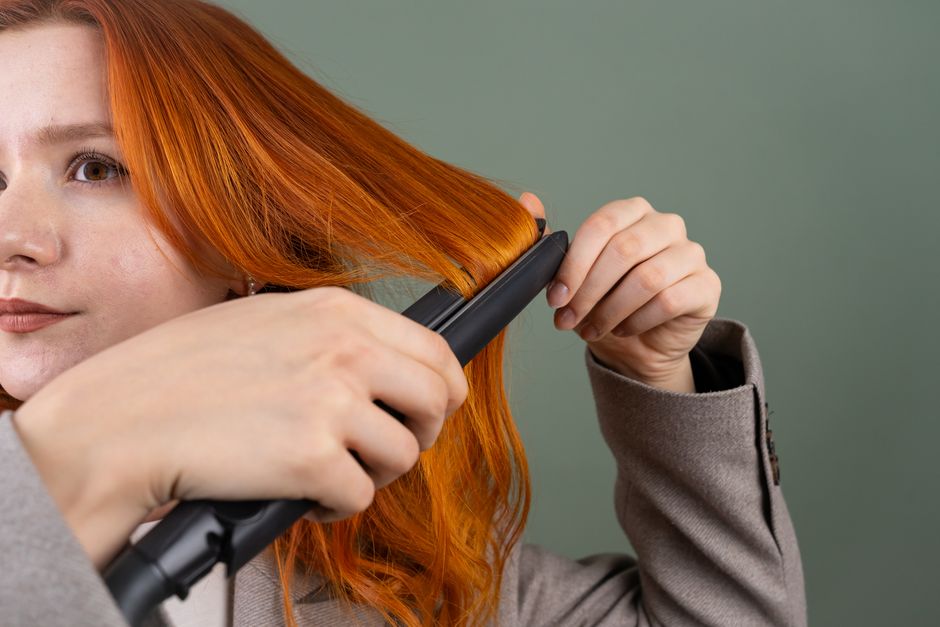
Yes, you can dye hair that has been chemically straightened, but the process is more delicate than dyeing natural, untreated hair. Chemical straighteners and hair dyes both change the structure of the hair shaft, and combining them raises the risk of damage, breakage, and uneven color. The timing and order of the two treatments matter more than most people realize.
The short answer: it is possible, but it should be done carefully, with enough time between treatments, and ideally with a professional who understands both chemical processes. Many people who straighten their hair also color it without major problems. Others end up with brittle, snapping hair because the two treatments were done too close together or layered incorrectly.
Why Does Straightened Hair React Differently to Dye?
Chemical straightening and hair dyeing both work by breaking and reforming bonds inside the hair shaft. When you do one after the other, you are asking already-altered hair to go through a second chemical change. That is where the trouble usually starts.
Hair is mostly made of a protein called keratin. Inside each strand, keratin is held together by chemical bonds, including disulfide bonds. Relaxers and chemical straighteners work by breaking those disulfide bonds and rearranging them so the hair lies flat instead of curly. This is a permanent change to the hair’s structure.
Permanent hair dye works differently but still opens the hair cuticle, the outer protective layer, to let color molecules inside. To do that, dye uses an alkaline agent and a developer (usually hydrogen peroxide) that lifts the cuticle and, in the case of lighter colors, strips some natural pigment.
So when you dye already-straightened hair, you are opening a cuticle that may already be weakened, and you are adding a second chemical stress to a strand that has already been through one. The result can be dryness, roughness, split ends, and in worse cases, breakage near the scalp.
This is why the type of straightening matters. A mild keratin smoothing treatment is far gentler on the hair than a traditional lye or no-lye relaxer. A strong relaxer leaves the hair more vulnerable to whatever comes next.
Can You Dye Your Hair While Its Straightened in the Same Appointment?
Most professionals recommend against doing a chemical straightener and a permanent dye on the same day. The hair has just been through a major structural change, and adding a second chemical process right away increases the chance of damage.
The general guidance is to wait at least one to two weeks between the two services. Some stylists suggest longer, especially if the hair is fine, already damaged, or has been relaxed more than once. There is no universal rule that fits every head of hair, so a professional assessment of your hair’s condition matters more than a fixed number of days.
There is one important exception. If you are using a semi-permanent or demi-permanent dye, the process is gentler. These products deposit color without lifting the cuticle as aggressively as permanent dye, and they do not use the same level of developer. Many stylists consider them a safer option for freshly relaxed hair, though “safer” does not mean risk-free.
If you must do both close together, the usual order is to straighten first, then color. Coloring first and straightening after is generally riskier because the relaxer can strip or shift the color, and the combination of processes on already-colored hair can be harsh.
What Are the Risks of Dyeing Straightened Hair?
The main risks are damage and unpredictable color, not a medical emergency. Still, they are worth understanding before you book an appointment.
- Breakage: Weakened hair can snap, especially along the mid-lengths and ends where the hair is oldest.
- Dryness and roughness: An already-opened cuticle loses moisture more easily, leaving hair feeling straw-like.
- Uneven color: Relaxed hair can absorb dye unevenly, particularly if some areas were over-processed during straightening.
- Scalp irritation: Both relaxers and dyes can irritate the scalp. Doing them close together can compound that irritation.
- Color fading faster: Damaged, porous hair may release color more quickly, so the shade you wanted may not last.
None of these are guaranteed. Plenty of people color relaxed hair and it turns out fine. The point is that the margin for error is smaller, so technique and timing carry more weight.




How Do You Reduce the Risk?
The single biggest factor is spacing out the two treatments and being honest about the condition of your hair. If your hair is already dry, breaking, or has been relaxed multiple times, that is a signal to slow down.
A few practical steps that stylists commonly recommend:
- Wait at least one to two weeks between straightening and coloring, and longer if the hair is fragile.
- Choose a gentler dye option when possible, such as semi-permanent or demi-permanent color.
- Do a strand test first, on a small hidden section, to see how the hair responds.
- Do a patch test on the skin to check for an allergic reaction, especially if you have never used that dye before.
- Deep condition regularly between treatments to help maintain moisture.
- Avoid overlapping chemical services on the same section of hair too often.
One non-obvious point: the condition of your hair right now predicts the outcome better than the specific product you choose. Two people can use the same dye on the same day after the same relaxer and get very different results, because their hair was in different shape to begin with.
Should You Do It at Home or See a Professional?
If your hair is chemically straightened and you want permanent color, a professional is the safer choice. This is not a marketing line. Relaxed hair is less forgiving of mistakes, and a stylist can assess your hair’s elasticity, porosity, and overall condition before deciding what is safe.
That said, some people successfully use semi-permanent dyes at home on relaxed hair, because those products are more forgiving. If you go that route, follow the instructions exactly, do a strand test, and do not leave the product on longer than directed, hoping for a stronger result. More time does not mean better color. It usually means more damage.
If you notice excessive shedding, snapping, or a burning scalp during or after any chemical service, stop and seek advice. Persistent scalp reactions or significant hair loss are worth discussing with a dermatologist, not just a stylist.
Does the Type of Straightening Change the Answer?
Yes, and this is where a lot of confusion comes from. “Straightened hair” is not one thing.
A keratin smoothing treatment coats and smooths the hair with less disruption to its internal bonds than a traditional relaxer. Hair that has only had a keratin treatment is usually more resilient to color than hair that has been relaxed.
A traditional relaxer, whether lye-based or no-lye, chemically restructures the hair and leaves it more vulnerable. The more times the hair has been relaxed, and the more it overlaps, the more fragile it becomes.
Because these treatments are so different, the answer to “can I dye my straightened hair” depends heavily on which type you had and how recently. A stylist who can feel and examine your hair will give you a far more useful answer than any general rule.
Frequently Asked Questions
Can you dye your hair the same day you straighten it?
Most professionals advise against it because both processes stress the hair. Waiting at least one to two weeks is generally recommended to lower the risk of damage.
Is it better to dye your hair before or after straightening?
Straightening first and coloring later is the usual order when both are needed. Coloring first can lead to the relaxer stripping or shifting the color and adding extra stress to the hair.
Does dyeing relaxed hair cause it to fall out?
Dyeing alone does not usually cause hair to fall out at the root, but it can cause breakage along the shaft if the hair is already weakened. Significant or sudden hair loss should be checked by a dermatologist.
What kind of dye is safest for straightened hair?
Semi-permanent and demi-permanent dyes are generally considered gentler than permanent dye because they lift the cuticle less. No dye is completely risk-free on chemically straightened hair.
