
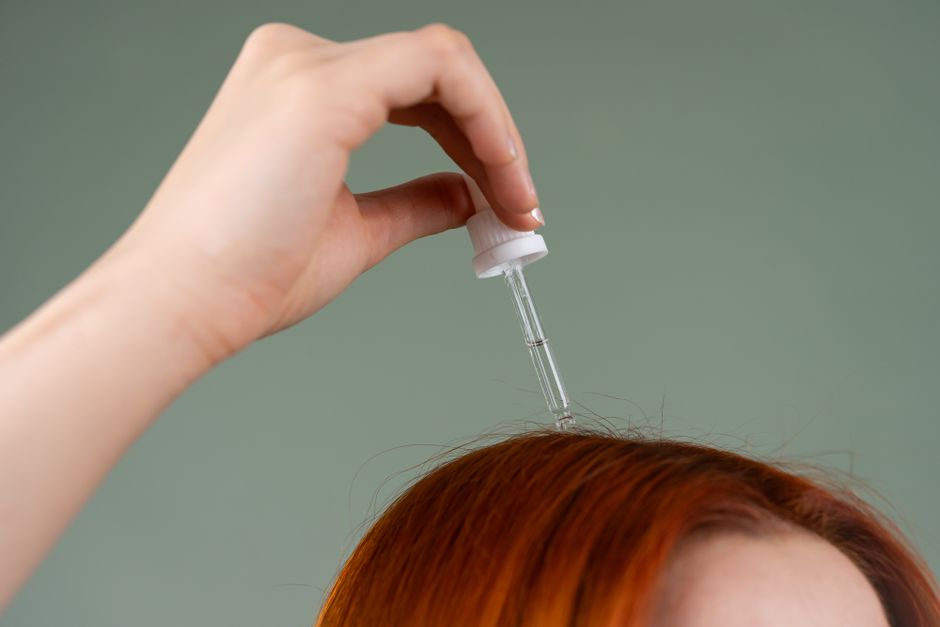
No, you cannot be born with pink hair. Human hair gets its color from melanin, and there is no pink melanin. Every natural hair color — black, brown, blonde, red — comes from just two types of pigment. Pink is not one of them.
Babies are sometimes born with hair that looks reddish or coppery, and that color can shift within months. But true pink hair does not occur naturally in humans. When you see pink hair, it has been dyed, tinted, or otherwise colored.
The rest of this article explains why hair color works the way it does, what causes red and copper tones, and where the confusion about naturally pink hair comes from.
What Actually Gives Hair Its Color?
Hair color comes from melanin, the same pigment family that colors your skin and eyes. Hair follicles contain specialized cells called melanocytes. As a hair grows, these cells inject pigment into the hair shaft.
There are only two pigments involved:
- Eumelanin — dark pigment. It produces black and brown shades.
- Pheomelanin — lighter pigment. It produces red and yellow-orange shades.
Every natural hair color is a mix of these two. High eumelanin makes dark hair. Low eumelanin with more pheomelanin makes red hair. Low amounts of both make blonde. There is no third pigment, and nothing in the human body produces pink.
This is not a matter of debate. The biochemistry of hair pigmentation is well established. Melanin production, its two forms, and how they combine to produce the range of human hair colors have been studied for decades.
Can You Be Born With Pink Hair?
No. A newborn’s hair color comes from the same melanin system as anyone else’s. It can be dark, light, red, or nearly invisible — but it cannot be pink.
What surprises many parents is how much a baby’s hair color can change. A baby may be born with dark hair that falls out and grows back blonde. A baby born with almost no visible hair may grow a full head of brown hair within a year. This happens because melanocytes are still maturing and pigment production is not yet stable.
Red or copper tones are the closest thing to pink that occurs naturally. In some babies, especially those with low eumelanin, the hair can look reddish or orange in certain light. It is still pheomelanin, not pink.
If you see a newborn with genuinely pink hair, the color has been applied. Some hospitals and photographers use temporary colored gels or filters for novelty photos. That is not natural hair color.
Why Does Some Baby Hair Look Pink or Reddish?
Several things can make a baby’s hair appear pinkish without any actual pink pigment being present.
Newborn hair is often very fine and thin. Thin hair scatters light differently than thick hair. This can make light-colored hair look warmer or more translucent than it will later. A baby with pale blonde or light red hair may look almost pink in bright light or in photos.
Blood flow matters too. A newborn’s scalp has a rich blood supply, and the skin underneath thin hair can show through. The combination of light hair over pinkish skin can create a pinkish overall impression.
Camera and lighting effects are common culprits. Indoor lighting, phone cameras, and photo filters can all shift hair color warmer or pinker than it appears to the eye. This is one of the most frequent reasons parents think they see pink hair in a photo.
None of these are pigment. They are optical effects layered on top of real hair color.





What About Hair Color Conditions Like Albinism?
Some genetic conditions affect hair pigment, and it is worth understanding what they actually do.
Albinism reduces or eliminates melanin production. People with albinism typically have very pale or white hair, very light skin, and light eyes. Their hair is white or near-white, not pink. The pinkish appearance sometimes seen in albinism comes from blood vessels showing through pale skin and iris tissue — not from pink pigment in the hair itself.
Other conditions can cause patches of white or light hair, including some forms of vitiligo and certain rare genetic syndromes. None of these produce pink hair.
There is no known genetic condition, mutation, or metabolic pathway in humans that produces pink hair pigment. If you encounter a claim otherwise, it is not supported by genetics or dermatology.
Why Do People Think Pink Hair Can Be Natural?
The idea that someone could be born with pink hair comes from a few places, and most of them are misunderstandings.
First, dyed hair is everywhere. Pink, pastel, and vivid hair colors have become popular, and photos of children with dyed hair circulate widely. Without context, an image can look like a natural birth trait.
Second, some animals do have pink coloration. Flamingos are pink because of pigments in their food. Some insects and fish are pink. People sometimes assume this variety must extend to humans. It does not. Human hair pigment is limited to eumelanin and pheomelanin.
Third, language is loose. People describe copper, strawberry blonde, and rose-gold hair as “pink” in casual conversation. A child with warm reddish hair might be called pink-haired. That is a description, not a pigment.
Fourth, filters and editing tools make it easy to alter hair color in a photo with no sign that it was changed. A convincing image is not evidence.
How Is Hair Color Actually Determined?
Hair color is inherited, but not in a simple way. It is a polygenic trait, meaning many genes influence it rather than one gene with clear dominant and recessive versions.
The MC1R gene is the most studied. It helps control whether melanocytes produce more eumelanin or more pheomelanin. Variants in MC1R are strongly linked to red hair. But red hair is not controlled by MC1R alone, and neither is any other color.
This is why two brown-haired parents can have a red-haired child, and why hair color can shift through childhood. The genes set a range, and pigment production settles into that range over time.
What the genes cannot do is produce a pigment the body does not make. No combination of human genes produces pink hair, because the building blocks for it do not exist.
Can Hair Turn Pink From Any Other Cause?
Hair can change color from external causes, and a few of them can push hair toward a pink or reddish tone.
Hard water and certain minerals in water can leave deposits on hair that shift its appearance, usually toward brassy or orange tones rather than true pink. Chlorine in pools can lighten and warm hair color. Sun exposure can lighten hair and bring out red or copper tones, especially in people who already have some pheomelanin.
Some hair products and treatments can tint hair. Color-depositing shampoos, toners, and certain medicated shampoos can leave a temporary color cast. If a shampoo contains a red or pink dye, it can tint light hair.
There is also a rare situation where hair takes on unusual colors due to chemical exposure. These are external effects on the hair shaft, not changes in melanin production, and they are not a natural hair color.
None of these mean a person was born with pink hair. They are changes that happen after birth, to hair that started out with a normal pigment.
Frequently Asked Questions
Can a baby be born with pink hair naturally?
No. Human hair pigment is limited to eumelanin and pheomelanin, which produce black, brown, blonde, and red shades, not pink. Any pink hair on a baby has been applied with dye, tint, or a photo filter.
What is the rarest natural hair color?
Natural red hair is the rarest, occurring in a small percentage of the world’s population. It results from higher pheomelanin and lower eumelanin, and it is still not pink.
Why does my baby’s hair look pink in photos?
Thin newborn hair, warm indoor lighting, and camera color processing can all make light or reddish hair look pink in a photo. This is an optical effect, not actual pink pigment in the hair.
Is pink hair possible from a genetic mutation?
No known genetic mutation in humans produces pink hair pigment. Conditions like albinism reduce melanin and can cause very pale hair, but the hair itself is white or near-white, not pink.
