
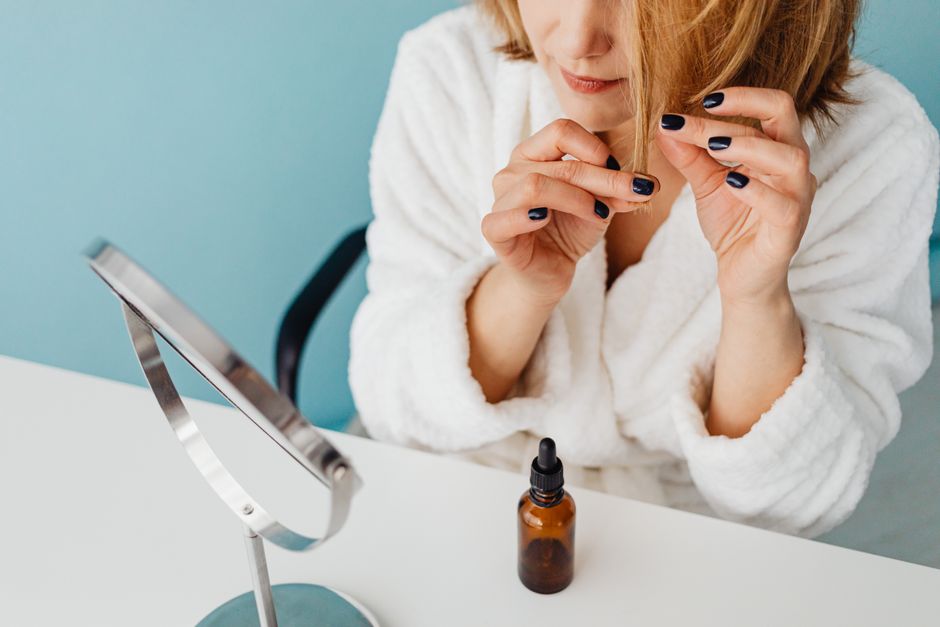
Hair dye fails to stick for a few concrete reasons: the hair cuticle is too smooth or damaged to hold color, there is a product buildup blocking the dye, the hair is overly porous, or the dye shade and developer strength do not match your hair type. When the outer layer of the hair shaft lies flat and tight, color molecules cannot penetrate. When the hair is damaged, the color has nothing stable to bind to and washes right out. Understanding which of these applies to you is the first step to fixing the problem permanently.
Why Does Hair Dye Not Stick To My Hair?
The short answer is that dye needs an open cuticle to enter and a healthy cortex to hold onto. The hair cuticle is the outermost layer, made of overlapping scales. For permanent color to work, the cuticle must swell slightly so the color molecules can pass through. If the cuticle is too tight, the dye sits on the surface and rinses away. If the cuticle is too damaged, the color enters but cannot stay trapped inside.
Hair that resists dye usually falls into one of two categories: resistant or overly porous. Resistant hair has a flat, hard cuticle that repels moisture and color. Overly porous hair has gaps and holes in the cuticle from damage, so color molecules flow through quickly but also wash out quickly. Both conditions produce the same frustrating result — color that fades within a week or two.
What Causes Hair To Resist Hair Dye?
Some people simply have naturally dense, tightly packed cuticles. This is more common in coarse, thick, or naturally straight hair. The cuticle layers overlap so completely that chemical color has difficulty finding an entry point. This is not a flaw — it is a sign of healthy, strong hair. But it does require a different approach to coloring.
Other causes of dye resistance include:
- Product buildup — silicones, oils, and heavy conditioners coat the hair shaft and block dye absorption.
- Hard water minerals — calcium and magnesium deposits form a film on the hair that repels color.
- Previously colored hair — old color molecules can fill the cortex, leaving no room for new ones.
- Heat styling damage — creates rough, uneven cuticles that do not hold color evenly.
- Protein overload — too much protein makes the hair stiff and less able to accept color.
Each of these requires a different fix. Product buildup needs a clarifying shampoo. Hard water needs a chelating treatment. Old color needs to be lifted or removed before new color is applied.
Why Does Hair Dye Wash Out So Fast?
Fast fading is not the same problem as dye not sticking in the first place. When color applies fine but fades quickly, the issue is usually porosity. Porosity refers to how well your hair absorbs and retains moisture. High porosity hair absorbs water and color rapidly but releases them just as fast.
Damage from bleaching, chemical relaxers, or repeated heat styling opens the cuticle permanently. The color molecules have nothing to hold onto because the protective outer layer is gone. Think of it like pouring water into a cracked cup — the water goes in, but it leaks out from every side.
Some research suggests that hair porosity is not just about damage. Genetics play a role in how tightly your cuticle layers bind together. People with naturally high porosity hair may struggle with color retention their entire lives, even with perfect hair care habits.



Is My Hair Too Damaged To Hold Color?
Severely damaged hair cannot hold color reliably. When the hair shaft is compromised, the protein structure that color molecules bind to is broken down. The dye may deposit initially, but it has no stable structure to attach to. This is why bleached hair often looks vibrant immediately after coloring but fades dramatically after just a few washes.
You can test your hair’s porosity at home. Take a strand of clean, dry hair and place it in a glass of water. If it floats for several minutes, your cuticle is tightly closed. If it sinks quickly, your cuticle is open and porous. This simple test gives you a general idea of what you are working with, though it is not a precise scientific measurement.
If your hair stretches significantly when wet and does not bounce back, it is over-processed. If it breaks easily when pulled, the protein structure is damaged. Coloring this type of hair will not fix the underlying problem. In fact, additional chemical processing can make the damage worse.
Does Hair Dye Type Matter For Stubborn Hair?
Yes. The type of dye you choose directly affects how well it adheres to your hair. Permanent dye contains ammonia or another alkaline agent that swells the cuticle. This is why permanent color is usually more effective on resistant hair than semi-permanent or demi-permanent options.
Semi-permanent dyes do not contain ammonia. They coat the outside of the hair shaft rather than penetrating the cortex. On healthy, low-porosity hair, these dyes have very little to grip onto. They often wash out completely within a few shampoos. If you have resistant hair, semi-permanent color may never show up properly.
Demi-permanent dye contains a small amount of developer but no ammonia. It opens the cuticle slightly and deposits color without lifting natural pigment. It lasts longer than semi-permanent but not as long as permanent. For hair that resists color, demi-permanent may still be too gentle.
Permanent dye is the most reliable option for stubborn hair because it chemically alters the hair structure. The ammonia opens the cuticle, and the color molecules penetrate the cortex where they bond with the hair’s natural pigment. This bond is what makes permanent color last through many washes.
What Actually Works When Hair Dye Won’t Stick?
The solution depends entirely on the cause of your problem. There is no single fix that works for everyone because the underlying issues are different.
For product buildup, use a clarifying shampoo one to two weeks before coloring. Avoid heavy conditioners and styling products in the days leading up to your appointment. This gives the dye a clean surface to work with.
For hard water buildup, a chelating shampoo is more effective than a standard clarifying shampoo. Chelating agents bind to minerals and remove them from the hair. Some research indicates that EDTA-based chelating shampoos are effective at removing calcium and magnesium deposits.
For low porosity hair, heat can help open the cuticle. Some stylists use heat caps during the coloring process to encourage dye penetration. The heat raises the temperature of the hair, which causes the cuticle to swell. This technique is not universally supported by clinical evidence, but it is common in professional practice.
For high porosity hair, protein treatments before coloring can help rebuild the hair structure. The protein temporarily fills gaps in the cuticle, giving the color something to bind to. However, protein treatments are not a permanent solution. They wash out over time, and the color may fade along with them.
Should You See A Professional Colorist?
If you have tried multiple at-home solutions and your hair still will not hold color, a professional colorist may be the right choice. They have access to stronger products and can assess your hair’s condition more accurately than you can at home.
A professional can also identify issues you may not have considered. For example, if your hair has been colored with metallic dyes or henna, certain chemical colors will not adhere properly. Some metallic salts react badly with modern hair dye and can cause unexpected results. A professional can test for these issues before applying new color.
If your hair is severely damaged, a professional may recommend cutting off the damaged ends before attempting color. This is not what most people want to hear, but it is often the most honest answer. Coloring already damaged hair will not fix it. It will only make the damage more visible.
How To Prevent Hair Dye Fading After Coloring
Once you get the color to stick, keeping it there requires a different set of habits. Wash your hair less frequently. Every wash strips some color from the hair shaft. Dry shampoo between washes can extend the life of your color.
Use sulfate-free shampoo. Sulfates are harsh detergents that strip color quickly. Color-safe shampoos are formulated with gentler cleansing agents that preserve the dye molecules. Some research suggests that sulfate-free formulas cause less color loss than traditional shampoos.
Wash with cool water. Hot water opens the cuticle and allows color molecules to escape. Cool water keeps the cuticle closed and traps the color inside. This is not a myth — it is basic hair physiology.
Deep condition regularly. Moisturizing treatments help smooth the cuticle and keep it closed. A smooth cuticle reflects light better, making your color look shinier and more vibrant. It also protects the color molecules from washing out.
When To Stop Coloring And Let Hair Recover
There comes a point when the hair is too damaged to safely accept more color. If your hair feels mushy when wet, stretches excessively, or breaks off easily, it needs a break from chemicals. Continuing to color in this state will only cause more breakage.
Letting your hair recover means giving up color for several months. During this time, focus on gentle care, regular trims, and protein-moisture balance. Some people find that their hair becomes more receptive to color after a period of recovery.
No clinical guidelines exist for how long hair needs to recover before it can be safely colored again. It depends on the extent of the damage and how quickly your hair grows. A conservative approach is to wait until the damaged hair has grown out and been trimmed away.
Frequently Asked Questions
Why does my hair reject hair dye?
Your hair cuticle may be too tightly closed for dye to penetrate, or too damaged for color to bind properly. Product buildup and hard water minerals can also block dye from reaching the hair shaft.
Can I fix hair that won’t hold color?
Yes, if the cause is buildup or mineral deposits, clarifying or chelating shampoos can help. If the cause is damage, the hair may need to grow out and be trimmed before it will hold color reliably.
Does permanent hair dye stick better than semi-permanent?
Yes, permanent dye contains ammonia which opens the cuticle and allows color to penetrate deeper. Semi-permanent dye only coats the outside of the hair and washes out quickly on resistant hair.
Is my hair too damaged to dye?
If your hair stretches excessively when wet or breaks easily, it may be too damaged for chemical color. Coloring damaged hair can worsen breakage and the color will likely fade quickly.
