
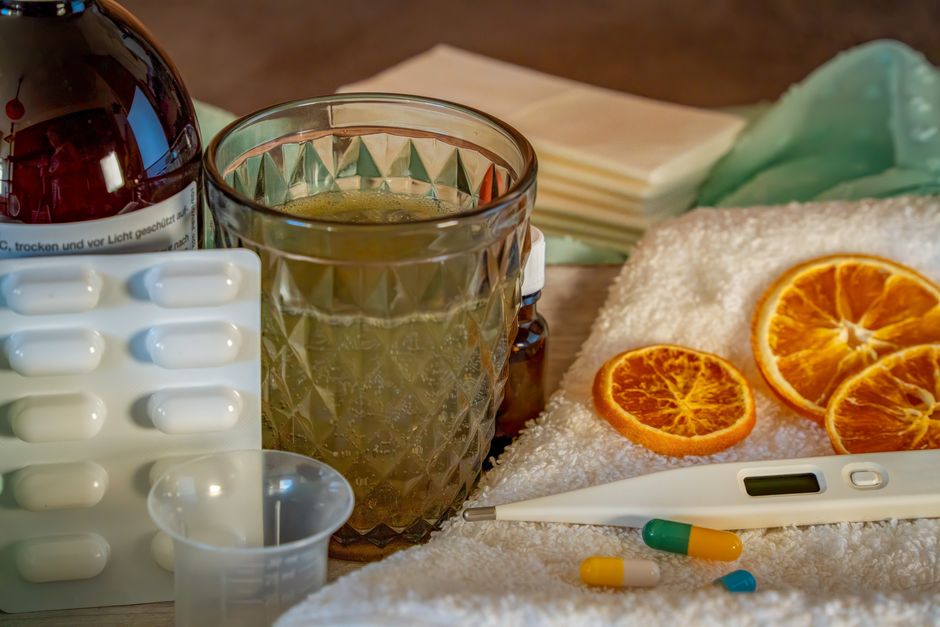
No, whisky does not help a cold. Alcohol cannot kill the viruses that cause the common cold, and it does not shorten how long you are sick. What it does do is numb you for a little while, which is easy to mistake for relief.
The idea that a hot toddy can fight off a cold is one of the most persistent health myths in America. It survives because a drink makes a sore throat feel better for an hour or two. Feeling better and getting better are two different things.
This article looks at what alcohol actually does to a cold, where the toddy tradition came from, and what the evidence says about real relief.
Why Do People Think Whisky Helps a Cold?
The hot toddy is the reason. Whisky, hot water, honey, and lemon have been a home remedy for generations, and the ritual of a warm drink on a cold night feels like medicine.
Part of the appeal is real. Warm liquid soothes an irritated throat. Honey has a mild effect on cough. Steam can loosen a stuffy nose. But those benefits come from the hot water and honey, not the whisky. Take the alcohol out and you still get the comfort. Leave it in and you add problems.
The numbing effect is the other part. Alcohol is a central nervous system depressant. It dulls pain signals and can make a raw throat and aching body feel less sharp for a short time. That is sedation and pain relief, not treatment. The cold virus is untouched, and the relief fades as the drink wears off.
There is also a cultural habit at work. For decades, alcohol was treated as a general tonic for everything from shock to sleeplessness. Medicine moved on. The home remedy stayed.
Does Alcohol Kill Cold Viruses?
No. Alcohol kills some germs on surfaces and on skin, which is why hand sanitizer works. That is a different situation entirely.
When you drink whisky, it goes down your throat and into your stomach. It does not reach the cells lining your respiratory tract in a concentration that could harm a virus, and it does not stay there long enough to matter. The viruses that cause colds — most often rhinoviruses — live inside your airway cells, not sitting on the surface where a drink could wash over them.
Even strong spirits are diluted fast by saliva and stomach contents. Any germ-killing power is gone within moments. The idea that a shot of whisky sterilizes your throat is not supported by how alcohol actually behaves in the body.
What Does Alcohol Actually Do to a Cold?
It tends to make things worse in several ways. None of these are dramatic on their own, but together they can turn a mild cold into a miserable week.
- Dehydration. Alcohol is a diuretic, meaning it makes you urinate more. Colds already raise your fluid needs, especially with fever or a runny nose. Adding alcohol works against you.
- Poor sleep. A drink may help you fall asleep faster, but it fragments sleep later in the night. Sleep is when your immune system does much of its work. Disrupting it is the opposite of what you want when you are sick.
- Worse congestion. Alcohol can widen blood vessels, which may make a stuffy nose feel more plugged. Some people notice this clearly the morning after drinking.
- Stomach irritation. Alcohol irritates the stomach lining. If your cold already has you feeling queasy, a drink can push it further.
- Medication interactions. This is the serious one. Many cold and flu products contain acetaminophen, and combining regular acetaminophen use with alcohol raises the risk of liver damage. Other cold medicines, including some antihistamines and cough syrups, add to alcohol’s sedative effect.
The medication interaction deserves a second look. Acetaminophen is in hundreds of over-the-counter products, often without the word “acetaminophen” on the front of the box. If you are taking a multi-symptom cold medicine and drinking whisky, you may be stacking two liver stressors without realizing it.




Can Whisky Help a Cold at All?
Not in any way that treats the illness. The honest position is that alcohol offers no therapeutic benefit for the common cold, and the risks are real.
Some people report that a drink helps them relax and fall asleep when they feel awful. That is a genuine effect, but it comes with the sleep disruption described above, so the net result is usually a wash at best. Feeling calmer for an hour is not the same as recovering faster.
There is no dose of whisky that is helpful for a cold. That includes small amounts. The benefit people describe comes from warmth, sweetness, and rest, all of which you can get without alcohol.
One clarification worth making: the question is not whether whisky is “bad” in general. Moderate drinking is a separate topic with its own evidence. The question here is narrower. Does alcohol do anything useful against a cold virus? The answer is no.
What Actually Helps a Cold?
There is no cure for the common cold. Most people get better in about a week to ten days without treatment. What you can do is manage symptoms and support your body while it does the work.
- Rest. Sleep supports immune function. This is not a platitude; it is one of the few things within your control that matters.
- Fluids. Water, broth, and warm drinks keep you hydrated. Warm liquid also soothes a sore throat.
- Honey. For adults and children over one year old, honey can ease a cough. Never give honey to infants under one year because of the risk of infant botulism.
- Saline nasal rinses. These can relieve congestion and are generally well tolerated when used correctly. Use distilled, sterile, or properly boiled and cooled water.
- Humidity. A cool-mist humidifier or a steamy bathroom can loosen mucus.
- Over-the-counter symptom relief. Decongestants, antihistamines, and pain relievers can reduce symptoms, though they do not shorten the illness. Follow label directions and check with a pharmacist about interactions.
Antibiotics do not help colds because colds are caused by viruses. This is worth stating plainly, since many people expect a prescription and are disappointed when they do not get one.
When Should You See a Doctor?
Most colds do not need medical care. Some situations do.
See a doctor if symptoms last more than about ten days without improving, if they improve and then get worse again, or if you develop a high fever, severe sinus or ear pain, shortness of breath, or chest pain. These can signal a bacterial infection or another condition that needs treatment.
People with asthma, COPD, weakened immune systems, or young children and older adults should set a lower threshold for seeking care. A cold can trigger more serious problems in these groups.
If you have been drinking alcohol to cope with cold symptoms and find it hard to stop, that is worth raising with a doctor too. Alcohol use and illness can become tangled in ways that are easier to address early.
The Bottom Line on Whisky and Colds
Whisky does not fight a cold. It does not kill the virus, shorten the illness, or boost your immune system. It can dehydrate you, disrupt your sleep, worsen congestion, and interact dangerously with common cold medicines.
The comfort of a hot drink is real, and you can keep it. Just leave out the whisky. Hot water with honey and lemon gives you the warmth and the throat relief without the downsides.
Frequently Asked Questions
Can whisky cure a cold?
No. Whisky cannot kill cold viruses or shorten how long you are sick, and no evidence supports it as a treatment.
Does a hot toddy help a sore throat?
The warm liquid and honey can soothe a sore throat, but the relief comes from those ingredients, not the whisky.
Is it safe to drink whisky while taking cold medicine?
It can be unsafe. Many cold medicines contain acetaminophen, and combining it with alcohol raises the risk of liver damage, so check with a pharmacist first.
How long does a cold usually last?
Most colds improve within about a week to ten days without treatment, though a cough can linger longer.
