
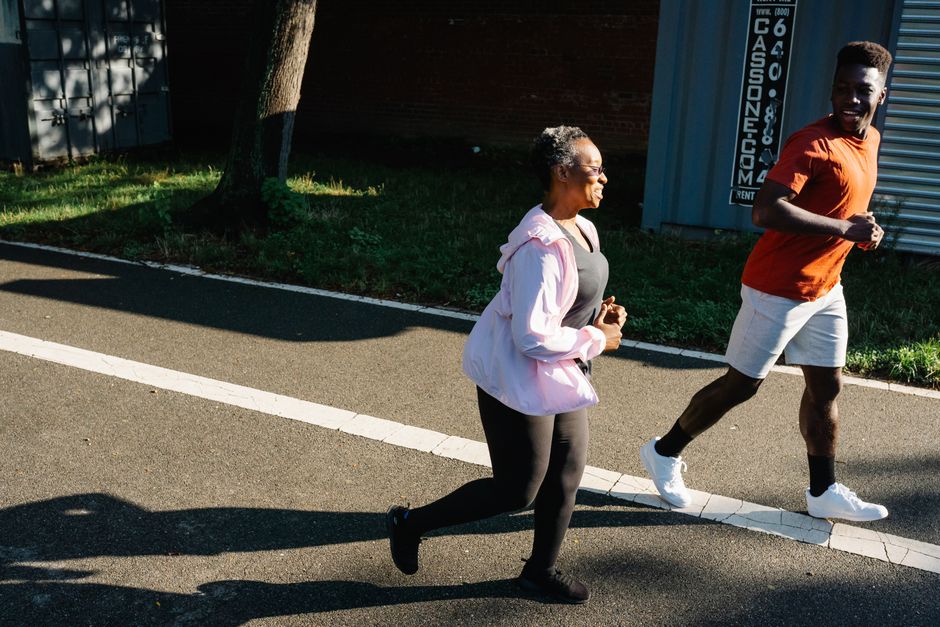
Walking can help with weight loss, but not in the way most people hope. It burns real calories and it is one of the easiest activities to stick with long term, yet the size of the effect depends almost entirely on how far, how often, and how fast you walk — and on what you eat. Walking alone, at a casual pace, rarely produces large weight loss. Walking as part of a consistent routine, paired with a modest calorie deficit, is a different story.
Can Walking Help Lose Weight?
Yes. Walking increases energy expenditure, and weight loss happens when you burn more calories than you take in over time. That is the whole mechanism, and it is well established.
What walking does not do is override a large calorie surplus. A 30-minute casual walk might burn roughly 100 to 150 calories for an average adult, depending on body weight and pace. A single sweetened coffee drink or a handful of snack foods can easily match or exceed that. This is why walking works best as one part of a broader plan rather than the entire plan.
The realistic expectation: walking can contribute meaningfully to weight loss when it is done regularly, at a brisk pace, and combined with eating habits that keep total calorie intake in check. It is not a fast method. It is a sustainable one.
How Many Calories Does Walking Actually Burn?
Calorie burn from walking depends on your body weight, your speed, the terrain, and how long you walk. Heavier bodies burn more calories for the same activity because moving more mass requires more energy.
As a general reference, walking at a brisk pace of about 3.5 miles per hour burns roughly 300 to 400 calories per hour for a person weighing around 155 pounds. A slower pace of 2 miles per hour burns closer to 150 to 200 calories per hour for the same person. These are estimates from standard physical activity references, not precise measurements — individual variation is real.
Two things matter more than most people realize:
- Pace: Walking faster covers more ground in the same time and burns more calories per minute.
- Distance: Total distance walked is a strong predictor of calories burned, often more so than speed alone.
Incline walking — on hills or a treadmill set to an incline — increases calorie burn noticeably compared to walking on flat ground at the same speed. This is because you are lifting your body weight against gravity with each step.
How Much Do You Need to Walk to Lose Weight?
There is no single number that works for everyone. The amount needed depends on your starting weight, your diet, your current activity level, and how much weight you are trying to lose.
That said, some general patterns hold. Walking 30 minutes most days of the week is a reasonable starting point for general health and modest calorie expenditure. For weight loss specifically, longer sessions — 45 to 60 minutes — or multiple shorter walks accumulated through the day tend to produce better results. Some people find that walking 7,000 to 10,000 steps daily supports weight management when combined with dietary changes.
Those step counts are not magic numbers. They are useful benchmarks, not thresholds. A person who currently walks 2,000 steps a day will likely see more benefit from reaching 5,000 than someone already at 9,000 will see from reaching 10,000.
The key variable is consistency over weeks and months, not intensity on any single day.





Is Walking Better Than Running for Weight Loss?
Running burns more calories per minute than walking. That is straightforward physics — running requires more energy output. A 155-pound person running at 5 miles per hour burns roughly 600 calories per hour, compared to about 300 to 400 walking at 3.5 miles per hour.
But per-minute burn is not the only measure that matters. Several factors make walking a legitimate option:
- Walking is easier on joints, which matters for people with knee or hip issues, or those carrying excess weight.
- Most people can sustain walking for longer durations than running.
- Walking has a lower injury rate, so you are less likely to be sidelined.
- Adherence matters more than intensity for long-term weight loss, and many people stick with walking more consistently.
Research on exercise adherence consistently shows that the best exercise program is the one a person actually does. If running leads to burnout or injury, walking may produce better results over six months simply because you keep doing it.
For someone who enjoys running and tolerates it well, running will likely burn more total calories. For someone who dreads it, walking wins by default.
Why Walking Alone Often Is Not Enough
This is where most people get frustrated. They start walking daily, feel good, and see the scale barely move. There are real reasons for this.
First, the calorie math is unforgiving. Losing one pound of body weight requires a deficit of roughly 3,500 calories. If a daily walk burns 200 extra calories and nothing else changes, that is about 1,400 calories per week — theoretically less than half a pound. In practice, it is often less because the body adjusts.
Second, the body compensates. Some people unconsciously eat a bit more after exercise, or move less during the rest of the day. This is sometimes called the compensation effect, and it is well documented in exercise research. It does not erase the benefits of walking, but it can shrink the weight loss you would expect on paper.
Third, diet dominates weight loss. Study after study shows that dietary changes produce larger weight loss than exercise alone, at least in the short term. Exercise — including walking — is more important for maintaining weight loss and for cardiovascular health than for producing rapid weight loss.
None of this means walking is useless for weight loss. It means walking works best when it is not the only thing you change.
How to Make Walking More Effective for Weight Loss
A few practical adjustments can increase the calorie burn from walking without requiring more time.
- Walk faster. Picking up the pace from a stroll to a brisk walk can nearly double calorie burn per minute.
- Add incline. Hills or treadmill incline increase effort and calorie expenditure significantly.
- Walk longer, not just harder. Adding 15 minutes to a walk often burns more total calories than walking the same time at a slightly faster pace.
- Split it up. Three 15-minute walks burn roughly the same calories as one 45-minute walk and may fit your day better.
- Track steps or time. What gets measured tends to improve. A simple step counter or phone app is enough.
- Pair it with strength training. Building muscle supports a slightly higher resting metabolic rate, though the effect is modest and often overstated.
One clarification worth making: the idea that walking in a specific “fat-burning zone” matters much is overblown. Lower-intensity exercise does use a higher percentage of fat for fuel, but what matters for weight loss is total calories burned, not the percentage that came from fat during the walk.
Does Walking Help Keep Weight Off Long Term?
This is where walking may be most valuable. Long-term weight maintenance is harder than initial weight loss, and physical activity appears to play a larger role in keeping weight off than in taking it off.
Observational data from weight-loss registries — groups of people who have lost significant weight and kept it off — consistently show that regular physical activity, often including walking, is one of the strongest predictors of maintained weight loss. These are observational findings, so they cannot prove cause and effect. But the pattern is consistent across multiple studies.
The likely reasons are practical. Walking burns calories without requiring recovery time, equipment, or a gym. It can be built into daily life — commuting, errands, walking meetings, time with family. That makes it easier to sustain for years rather than weeks.
For someone trying to lose 50 pounds quickly, walking will feel slow. For someone trying to keep off 20 pounds for a decade, walking may be one of the most reliable tools available.
Frequently Asked Questions
How long do you need to walk to lose weight?
Most evidence points to at least 30 minutes of brisk walking on most days, with 45 to 60 minutes producing more calorie burn. Results depend heavily on diet and consistency over weeks and months.
Can walking alone help you lose weight without dieting?
It can produce some weight loss, but the effect is usually small because it is easy to eat back the calories burned. Walking combined with a modest calorie deficit produces much better results.
Is walking 10,000 steps a day enough to lose weight?
For some people, yes; for others, no. Step counts are useful benchmarks but not guarantees, and weight loss still depends on total calorie intake versus expenditure.
Does walking on a treadmill burn the same calories as walking outside?
Roughly, yes, if the speed and incline are the same. Outdoor walking often involves hills, wind, and varied terrain that can increase calorie burn slightly.
