
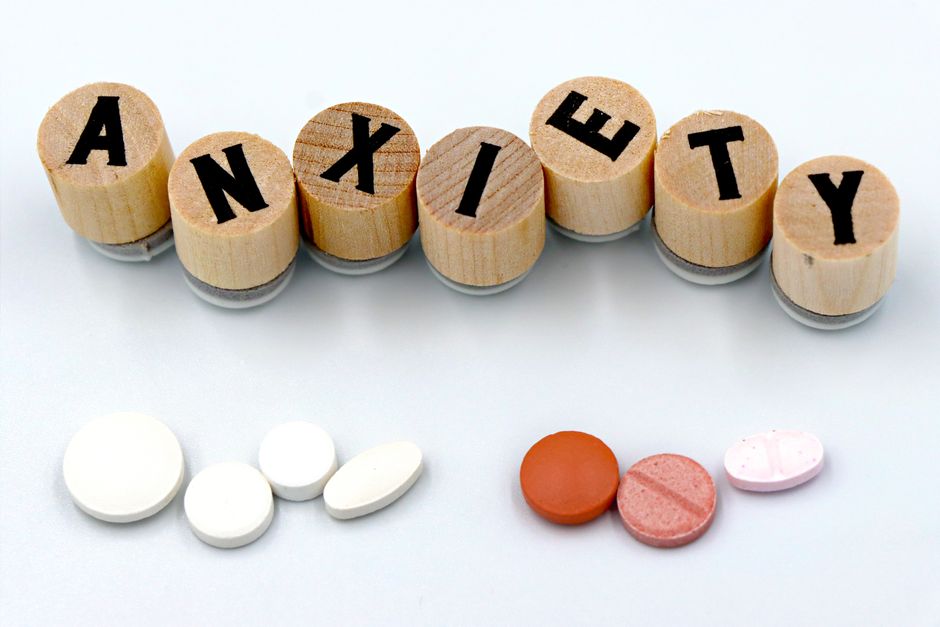
Serotonin is often called the “feel-good” brain chemical, but that nickname misses the full picture. The truth is that too much serotonin can cause anxiety, along with a range of other uncomfortable symptoms. This condition is known as serotonin syndrome, and it happens when the brain has an overload of this important neurotransmitter.
What Does Serotonin Actually Do?
Serotonin is a neurotransmitter, which means it carries messages between nerve cells. It influences many functions across the body, not just mood. It helps regulate sleep, appetite, digestion, and blood clotting. It also plays a role in learning and memory.
In the brain, serotonin helps manage mood and emotional responses. Normal levels support a stable, calm feeling. But the relationship between serotonin and anxiety is not simple. Low serotonin has been linked to depression and anxiety in some people. Yet high levels can also trigger anxiety symptoms. This paradox confuses many people, but it makes sense when you understand how the system works.
Can Too Much Serotonin Cause Anxiety?
Yes, too much serotonin can cause anxiety. When serotonin levels rise too high, the nervous system becomes overstimulated. This overstimulation produces a state of agitation and restlessness that feels very much like anxiety. In fact, anxiety and agitation are hallmark symptoms of serotonin syndrome.
Serotonin syndrome is a medical condition caused by an excess of serotonin in the body. It ranges from mild to severe. Mild cases may cause nervousness, restlessness, and insomnia. Severe cases can be life-threatening. This condition is not caused by diet or supplements alone. It typically results from taking multiple medications that increase serotonin, or from taking too high a dose of one such medication.
What Causes Serotonin Levels to Get Too High?
Several types of medications can raise serotonin levels. The most common are selective serotonin reuptake inhibitors (SSRIs), which are prescribed for depression and anxiety. Other medications include serotonin-norepinephrine reuptake inhibitors (SNRIs), certain pain medications, migraine medications, and some herbal supplements.
Serotonin syndrome most often occurs when someone starts a new medication, increases a dose, or combines two drugs that both raise serotonin. Common combinations include an SSRI with a triptan for migraines, or an SSRI with certain cough syrups containing dextromethorphan. The supplement St. John’s Wort also increases serotonin and can contribute to this condition when combined with prescription medications.
It is important to note that serotonin syndrome is not caused by eating foods containing tryptophan, the amino acid the body uses to make serotonin. The body regulates dietary tryptophan carefully. You cannot eat your way into serotonin syndrome.




What Are the Symptoms of Serotonin Syndrome?
Symptoms of serotonin syndrome can appear within hours of taking a new medication or increasing a dose. They range from mild to severe. Early signs often include agitation, restlessness, and confusion. Physical symptoms may include rapid heart rate, dilated pupils, sweating, and tremors.
More severe symptoms include muscle rigidity, high fever, and unstable blood pressure. These are medical emergencies. If someone experiences these symptoms after starting a new medication or increasing a dose, they need immediate medical care.
Anxiety in serotonin syndrome is not just psychological. It comes with physical symptoms like a racing heart and sweating. This combination can be distressing and confusing. People may feel intensely nervous without knowing why. Some describe it as a feeling of being “wired” or unable to sit still.
How Is Serotonin Syndrome Diagnosed?
There is no single blood test that confirms serotonin syndrome. Doctors diagnose it based on symptoms and medication history. They look for a recent change in medication that increases serotonin, combined with characteristic symptoms.
The diagnosis also requires ruling out other conditions. Infections, medication withdrawal, and metabolic problems can produce similar symptoms. This is why a thorough medical evaluation matters. The doctor will review all medications, including over-the-counter drugs and supplements.
Doctors use established criteria to diagnose serotonin syndrome. The Hunter Criteria is one commonly used set of guidelines. It focuses on specific combinations of symptoms, such as clonus (involuntary muscle spasms), agitation, and hyperreflexia (overactive reflexes). These signs help distinguish serotonin syndrome from other conditions.
What Is the Treatment for Serotonin Syndrome?
Mild serotonin syndrome often resolves once the offending medication is stopped. The body clears the excess serotonin on its own. Symptoms may improve within 24 to 72 hours. However, this is a decision that should be made with a doctor, not by stopping medications on your own.
Moderate to severe cases require hospital care. Treatment focuses on stopping the medication, providing supportive care, and managing symptoms. This may include intravenous fluids, medications to control agitation, and in severe cases, medications that block serotonin receptors.
Severe serotonin syndrome is a medical emergency. It can lead to complications like seizures, kidney failure, and respiratory failure. With prompt treatment, most people recover fully. But the condition requires immediate professional attention.
When Anxiety Is Not from Serotonin Excess
Most people with anxiety do not have serotonin syndrome. Everyday anxiety is far more common and has many causes. Stress, genetics, and brain chemistry all play a role. If you have chronic anxiety, it is unlikely that you have dangerously high serotonin levels.
However, people taking antidepressants sometimes experience increased anxiety when they first start treatment. This is a known side effect of SSRIs in the early weeks. It does not usually mean serotonin syndrome. This temporary increase in anxiety typically settles as the body adjusts to the medication.
If you experience new or worsening anxiety after starting a medication, talk to your doctor. They can help determine whether it is a normal adjustment period or something that needs attention. Do not stop taking a prescribed medication without medical guidance, as this can cause withdrawal symptoms.
What Should You Do If You Suspect Serotonin Syndrome?
If you have recently started a new medication or increased a dose, and you develop agitation, restlessness, or a racing heart, contact a healthcare provider. If symptoms are severe, including high fever, muscle rigidity, or confusion, seek emergency care immediately.
Bring a list of all your medications and supplements to any medical appointment. This includes prescriptions, over-the-counter drugs, and herbal products. Doctors need this information to assess your risk. Some combinations are dangerous even if each individual drug seems harmless.
Be honest about any supplements you take. Many people do not think of supplements as medications, but they can have powerful effects. St. John’s Wort, for example, is a well-documented contributor to serotonin syndrome when combined with prescription antidepressants.
Frequently Asked Questions
Can serotonin levels get too high from supplements alone?
No single supplement is likely to cause serotonin syndrome on its own. However, combining supplements like St. John’s Wort with prescription antidepressants can push serotonin levels into a dangerous range.
How quickly does serotonin syndrome develop?
Symptoms typically appear within hours of taking a new medication or increasing a dose. In some cases, symptoms develop within minutes, especially with certain types of medications.
Is serotonin syndrome the same as an anxiety attack?
No, they are different conditions. Serotonin syndrome is caused by excess serotonin from medications and includes physical symptoms like tremors and muscle spasms that are not typical of a standard anxiety attack.
Can you get serotonin syndrome from food?
No. The body tightly regulates serotonin production from dietary sources. Food alone cannot cause serotonin syndrome, and no clinical evidence supports this concern.
