
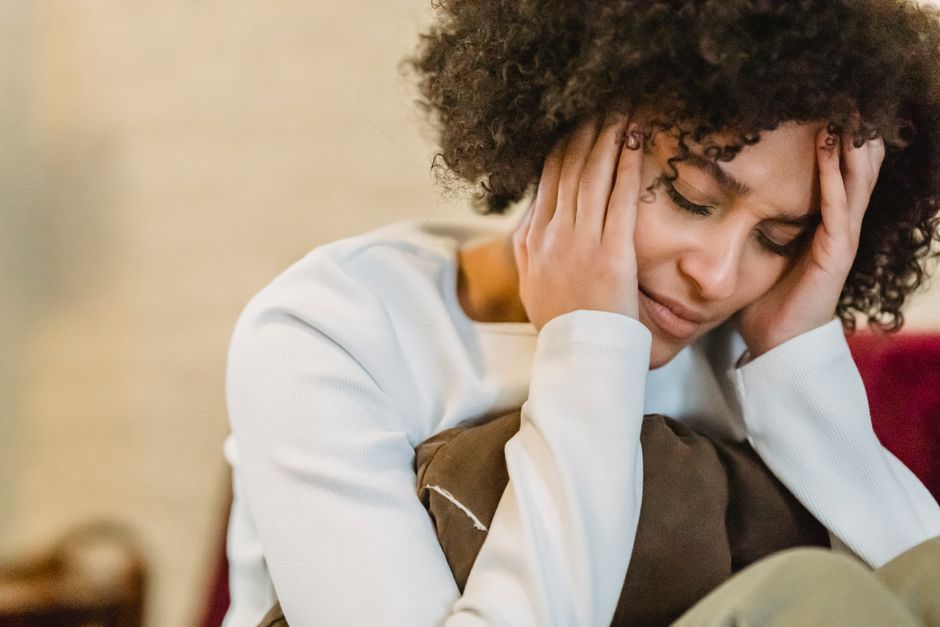
Yes, stress can directly cause hair breakage and hair loss. When your body experiences significant physical or emotional stress, it can push large numbers of hair follicles into a resting phase, leading to noticeable shedding weeks later. There is also a lesser-known condition where stress literally stops new hair from growing, which causes breakage at the root. Understanding the difference between these two processes is the first step toward fixing the problem.
How Does Stress Actually Affect Your Hair?
Your hair grows in a cycle with three main phases. The growing phase lasts for years. The transition phase lasts a few weeks. The resting phase lasts about three months before the hair falls out naturally.
Severe stress can shock this system. It can force a large number of active, growing hairs to suddenly shift into the resting phase all at once. About two to three months after the stressful event, those hairs all fall out at the same time. You might notice clumps of hair on your pillow or in the shower drain.
This condition is called telogen effluvium. It is the most common type of stress-related hair loss. It is not permanent. Once the stress resolves, your hair cycle usually returns to normal within six months.
A second condition called trichotillomania is different. This is a psychological disorder where a person feels an irresistible urge to pull out their own hair. It is often triggered or worsened by stress and anxiety. This requires professional mental health support, not just hair care products.
Can Stress Cause Hair Breakage Signs And Solutions?
Yes, stress can cause hair breakage, and the signs are different from shedding. Shedding means the whole hair falls out from the root. Breakage means the hair snaps off partway down the shaft.
Stress hormones like cortisol can affect the hair follicle itself. Research shows that high cortisol levels can disrupt the normal hair growth cycle and shrink the follicle. When growth slows down, the hair shaft becomes thinner and weaker. This weaker hair is more likely to snap and break.
The signs of stress-related breakage include:
- Short, broken strands of hair on your shoulders or clothing
- Hair that feels rough, dry, or brittle to the touch
- Uneven length or wispy ends, especially around the crown
- Excessive hair in your brush that looks like short pieces, not long strands
- A widening part or thinning patches that feel different from normal shedding
The solution has two parts. You must address the stress itself, and you must handle the hair gently while it recovers. Managing stress can involve therapy, exercise, better sleep, or medication. Handling hair gently means avoiding tight hairstyles, reducing heat styling, and using a wide-tooth comb on wet hair.
What Are the Other Types of Stress-Related Hair Loss?
Telogen effluvium is the most common, but it is not the only type. Another condition called anagen effluvium occurs when something suddenly stops the hair from growing. This is most often caused by chemotherapy, but severe physical stress can also trigger it.
There is also a condition called alopecia areata. This is an autoimmune disease where the body’s immune system attacks hair follicles. Stress is not the cause of alopecia areata, but it can trigger flare-ups in people who are already genetically predisposed to the condition. It typically causes round, coin-sized patches of hair loss.
One important distinction: chronic stress can also worsen hereditary hair loss. If you have a genetic tendency toward male or female pattern baldness, stress can accelerate the process. The stress does not cause the hereditary condition, but it can make it progress faster.
Each of these conditions looks different and requires a different approach. Telogen effluvium usually resolves on its own. Alopecia areata may require medical treatment. Hereditary hair loss needs ongoing management. This is why seeing a doctor is important rather than guessing from internet photos.





How Long Does It Take for Hair to Recover From Stress?
Hair recovery is slow, and this is where many people get discouraged. The timeline depends on the underlying cause and how long the stress lasts.
For telogen effluvium, the shedding typically starts about two to three months after the stressful event. The shedding can last for several months. Once the trigger is removed, hair usually returns to its normal growth cycle within six months. Full regrowth can take up to a year because hair grows slowly.
Hair grows about half an inch per month on average. This means if you lose hair and it starts growing back, it takes time before the new growth is visible enough to make a difference in your appearance.
If the stress is ongoing, the shedding may continue. The body does not have a chance to recover if the stressor never goes away. In this case, addressing the chronic stress is the only real solution.
There is no supplement or shampoo that can speed up the hair growth cycle. A balanced diet with adequate protein, iron, and vitamins supports healthy hair, but it cannot override a stressed system.
What Can You Do to Stop Stress-Related Hair Breakage?
The most effective approach combines stress management with gentle hair care. No single product will fix this problem if the stress remains unaddressed.
Address the stress directly. Therapy, particularly cognitive behavioral therapy, has been shown to help people manage stress. Regular exercise reduces cortisol levels. Prioritizing sleep is critical because poor sleep increases stress hormones.
Handle your hair gently. Avoid tight ponytails, buns, or braids that pull on the hair shaft. Skip harsh chemical treatments like bleaching or perming while your hair is weak. Use a heat protectant if you must use hot tools, but reducing heat is better.
Check your nutrition. Severe stress can affect your appetite and eating habits. Your hair needs adequate protein, iron, zinc, and vitamin D to grow properly. If you suspect a deficiency, ask your doctor for a blood test rather than guessing with supplements.
Supplements like biotin are popular for hair health, but the evidence for biotin is limited unless you have a true deficiency. No clinical evidence confirms that biotin supplements stop stress-related hair breakage in people with normal biotin levels.
When Should You See a Doctor About Hair Loss?
Occasional shedding is normal. Everyone loses 50 to 100 hairs per day. The problem is when you notice sudden, excessive shedding, visible thinning, or bald patches.
See a doctor if you are losing clumps of hair, if your part is widening, or if you see round bald spots. A dermatologist can examine your scalp and determine the specific type of hair loss. They may do a blood test to check for thyroid problems, iron deficiency, or hormonal imbalances.
Sudden hair loss can also be a sign of a medical condition unrelated to stress. Thyroid disease, autoimmune disorders, and nutritional deficiencies can all cause hair loss. Getting the right diagnosis matters because treatment differs for each condition.
If you are also experiencing fatigue, weight changes, or other symptoms, mention these to your doctor. Hair loss is rarely the only symptom of an underlying medical issue.
Are There Lifestyle Changes That Help Prevent Stress Hair Breakage?
Preventing stress-related hair damage is about building resilience. Your hair reflects your overall physical health, so the same habits that protect your heart and brain also protect your hair.
Regular physical activity is one of the most reliable ways to lower stress. Exercise improves circulation, including blood flow to the scalp, and helps regulate stress hormones. Even a daily 30-minute walk can make a difference.
Sleep is equally important. During deep sleep, your body repairs tissues and regulates hormones. Chronic sleep deprivation keeps cortisol levels elevated, which works against healthy hair growth.
Mindfulness and meditation practices have shown benefits for stress reduction in some studies. The evidence is not overwhelming, but these practices are low-risk and may help some people. What matters is finding a stress management technique you can stick with consistently.
Be realistic about timelines. Hair grows slowly, and recovery takes months. Consistency with stress management and gentle hair care will produce better results than any quick-fix product.
Frequently Asked Questions
Can stress cause permanent hair loss?
Stress-related hair loss is usually temporary and reverses once the stress resolves. However, chronic stress can worsen hereditary hair loss, which is permanent.
How soon after stress does hair fall out?
Shedding typically begins two to three months after a stressful event. This delay happens because the hair cycle takes time to shift from the growing phase to the resting phase.
What is the difference between hair shedding and hair breakage?
Shedding means the entire hair falls out from the root, often in clumps. Breakage means the hair snaps off partway down the shaft, leaving short broken strands behind.
Will my hair grow back after stress-related shedding?
Yes, in most cases hair grows back once the stress is managed. Full recovery can take six months to a year because hair grows slowly.
