
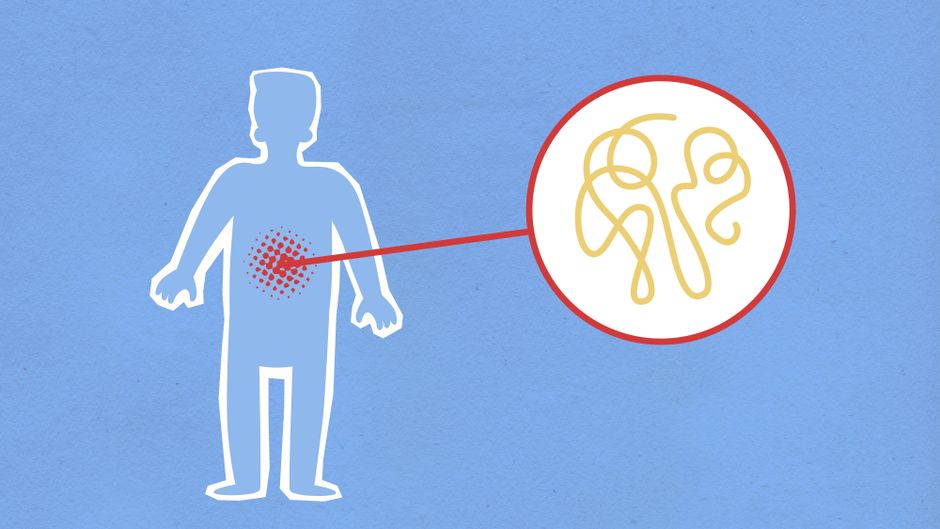
Yes, a stomach ulcer can trigger anxiety attacks, but not because the ulcer directly causes a chemical anxiety disorder. The connection runs through pain, fear, the nervous system, and a bacteria that may influence mood. People with ulcers often describe sudden waves of panic that arrive alongside gnawing stomach pain or after meals. Understanding why that happens can make the experience feel less frightening and help you get the right help.
Can Stomach Ulcers Cause Anxiety Attacks?
Stomach ulcers and anxiety attacks are linked, but the relationship is bidirectional rather than a simple one-way cause. A peptic ulcer — an open sore in the lining of the stomach or the first part of the small intestine — can produce pain, nausea, and unpredictable discomfort. Living with that unpredictability is a legitimate stressor. Some people develop panic-like episodes in response.
It is also true that anxiety and stress are associated with worse ulcer symptoms. Research has found that psychological stress does not cause ulcers on its own, but it can worsen symptoms and slow healing. That distinction matters. The old idea that stress alone gives you an ulcer was largely overturned when Helicobacter pylori bacteria and NSAID pain relievers were identified as the main causes.
So the accurate answer is this: an ulcer can contribute to anxiety attacks through pain, fear, and nervous system activation. It does not create a primary anxiety disorder by itself. And anxiety does not create an ulcer by itself. The two conditions interact.
What Is the Biological Reason an Ulcer Might Trigger Panic?
Pain and fear share the same wiring in the body. When an ulcer causes sharp or burning stomach pain, the nervous system registers a threat. The body releases stress hormones like adrenaline and cortisol. Heart rate climbs, breathing gets shallow, and the mind starts scanning for danger. That is the same sequence that unfolds during a panic attack.
There is a second layer. Ulcer pain is often unpredictable. It may strike at night, after eating, or when you are far from a bathroom or a hospital. Not knowing when the next wave of pain will hit is itself a stressor. The brain can start to anticipate pain, and that anticipation can tip into anxiety.
Some people also become afraid of what the pain means. A burning sensation in the upper belly can spark worry about something serious. That fear feeds the nervous system, which heightens pain perception, which increases fear. This loop is well documented in pain research — the brain amplifies signals it interprets as threatening.
One clarification worth knowing: the stomach and brain are connected by the vagus nerve and by the gut’s own nervous system, sometimes called the enteric nervous system. This is why gut problems and emotional states so often travel together. It is a real physiological link, not a figure of speech.
Does H. pylori Infection Play a Role in Anxiety?
Some research suggests that H. pylori, the bacterium responsible for most peptic ulcers, may be associated with anxiety and mood changes. The evidence is interesting but not settled.
Studies have found higher rates of anxiety in people with H. pylori infection compared to those without it. Some researchers propose that the bacteria influence the gut-brain axis — the two-way communication between the digestive tract and the central nervous system. The gut produces a large share of the body’s serotonin, and the microbiome can affect signaling along that pathway.
What is not established is whether treating H. pylori reliably improves anxiety. The evidence is mixed. Some studies report improvement in mood after eradication therapy; others find no clear effect. No large, well-controlled human trial has confirmed that clearing the infection resolves anxiety symptoms.
The honest position: the association is real enough to study, but it does not yet prove cause and effect. If you have ulcer symptoms, testing for H. pylori is standard medical practice for reasons unrelated to mood — it is the leading treatable cause of ulcers.





Which Symptoms Point to an Ulcer Versus an Anxiety Attack?
The two can overlap, but they tend to produce different patterns. Knowing the difference helps you describe symptoms accurately to a clinician.
- Ulcer symptoms: burning or gnawing pain in the upper abdomen, often between meals or at night; pain that may ease or worsen with eating; bloating; belching; nausea; sometimes dark or tarry stools if bleeding occurs.
- Anxiety attack symptoms: sudden intense fear, racing heart, shortness of breath, chest tightness, dizziness, sweating, trembling, a sense of impending doom, and a feeling of detachment.
Some symptoms appear on both lists — nausea, stomach upset, and chest discomfort. That overlap is exactly why people confuse the two, and why a proper evaluation matters. A panic attack does not cause tarry stools or vomiting blood. Those are red flags for a bleeding ulcer and require urgent medical care.
An ulcer can also be silent. Many people with ulcers report no pain at all until a complication appears. That is one reason ulcers are sometimes discovered only when bleeding or anemia brings someone to a doctor.
Can Anxiety Make Ulcer Symptoms Worse?
Yes. Anxiety and stress can worsen ulcer symptoms even though they do not cause the ulcer in the first place. The mechanism is partly direct and partly behavioral.
Stress activates the sympathetic nervous system, which can alter gut motility, increase stomach acid production in some people, and heighten pain sensitivity. Research indicates that psychological stress is associated with slower ulcer healing and more reported pain.
Behavior matters too. People who are anxious may skip meals, drink more alcohol or caffeine, smoke more, or take pain relievers more often. Each of those can irritate an ulcer. NSAIDs like ibuprofen and aspirin are a leading cause of ulcers, and anxiety-driven use of these medications can make things worse.
There is also a well-documented overlap between anxiety disorders and functional gut conditions like irritable bowel syndrome. The same stress-sensitive gut wiring that drives those conditions can amplify how intensely you feel ulcer-related discomfort.
What Should You Do If You Have Both Ulcer and Anxiety Symptoms?
Get the ulcer evaluated first. That is the practical priority, because ulcer treatment is well established and effective, and because some ulcer complications are serious.
Standard evaluation includes a history of symptoms, testing for H. pylori — through a breath test, stool test, or biopsy — and sometimes an upper endoscopy to look directly at the stomach lining. Clinicians also review NSAID use. Treatment for H. pylori typically involves a combination of antibiotics and acid-reducing medication, and proton pump inhibitors are commonly used to heal the ulcer and reduce acid.
Do not stop or start any medication on your own based on this article. That includes antibiotics, acid reducers, and anxiety medications. Treatment decisions depend on your specific diagnosis, and the regimens for H. pylori are specific and must be followed exactly as prescribed.
If anxiety attacks are frequent or distressing, tell your clinician. Anxiety disorders are treatable through therapy, medication, or both, and treatment can improve quality of life while the ulcer heals. Some clinicians recommend addressing both conditions together, since each can aggravate the other.
Seek urgent care for vomiting blood, black or tarry stools, sudden severe abdominal pain, or fainting. Those are signs of a bleeding or perforated ulcer and are medical emergencies.
Is There a Direct Causal Link or Just an Association?
The evidence supports an association and a plausible mechanism, not a clean cause-and-effect chain. That distinction is important for anyone looking for a simple answer.
What is well established: ulcers cause pain and discomfort, pain activates stress responses, and stress can worsen ulcer symptoms. What is less established: whether ulcers directly produce clinical anxiety disorders, and whether H. pylori treatment improves anxiety.
One thing that is often misunderstood: many people assume their anxiety caused their ulcer. For most people, that is not what happened. The dominant causes are H. pylori infection and NSAID use. Stress is a modifier, not the root cause. Getting that straight can reduce self-blame and point you toward the right treatment.
If you have both conditions, the most useful approach is to treat each on its own terms — evaluate and treat the ulcer with standard medical care, and address anxiety with evidence-based support. Neither condition needs to be ignored while you wait for the other to resolve.
Frequently Asked Questions
Can a stomach ulcer cause panic attacks?
A stomach ulcer can contribute to panic-like episodes through pain, fear, and nervous system activation, but it does not directly cause a primary anxiety disorder. The two conditions interact rather than one simply causing the other.
Can stress alone cause a stomach ulcer?
No. Research has largely ruled out stress as a sole cause of ulcers. Most ulcers are caused by H. pylori infection or NSAID pain relievers, though stress can worsen symptoms and slow healing.
Does treating H. pylori reduce anxiety?
The evidence is mixed. Some studies report mood improvement after eradication therapy, but no large controlled trial has confirmed that clearing the infection resolves anxiety symptoms.
When should I see a doctor for ulcer and anxiety symptoms?
See a doctor if you have persistent upper abdominal pain, and seek emergency care for vomiting blood, black or tarry stools, or sudden severe abdominal pain. Anxiety attacks that are frequent or distressing also warrant evaluation.
