
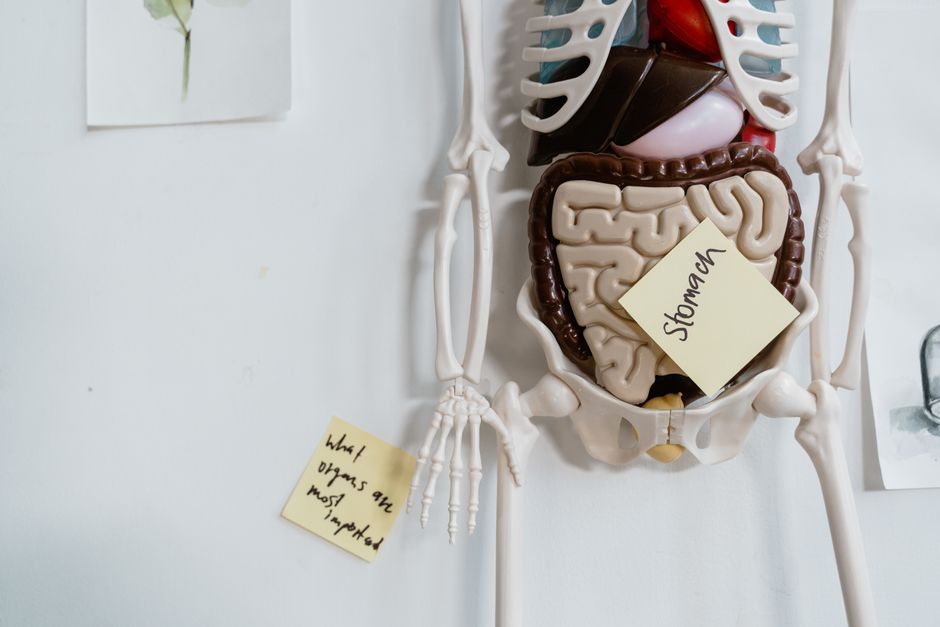
Yes, a stomach bug can cause anxiety. The link runs in both directions: the physical stress of vomiting, diarrhea, and dehydration can trigger anxiety symptoms, and the gut itself communicates directly with the brain through a network researchers call the gut-brain axis. For most people the anxiety is short-lived and fades as the illness passes. For people with pre-existing anxiety or a history of digestive problems, a stomach bug can be a genuine trigger for a longer stretch of worry.
That answer is not a metaphor. Your gut contains roughly 500 million neurons and produces a large share of the body’s serotonin, a neurotransmitter heavily involved in mood and anxiety. When an infection disrupts the gut, it can disrupt that signaling too.
How does the gut connect to anxiety during a stomach bug?
The gut and brain are in constant conversation through the vagus nerve, the nervous system, and chemical messengers including hormones and immune signals.
When a virus or bacteria inflames your intestines, your immune system releases inflammatory chemicals called cytokines. These can affect brain function, including mood and anxiety levels. Researchers sometimes call this “sickness behavior” — the low mood, irritability, and withdrawal that often come with being physically ill. It is a real physiological response, not just a reaction to feeling miserable.
The vagus nerve is a major physical pathway. It runs from your brainstem to your digestive tract and carries signals in both directions. Studies in animals have shown that stimulating the vagus nerve can influence anxiety-like behavior, and that cutting it can change how the brain responds to gut signals. Human research on this pathway is active but still developing.
One clarification worth making: the popular idea that gut bacteria directly “control” your mood is ahead of the evidence. The microbiome clearly interacts with the nervous system, but the relationship is complex, and no study has shown that a specific bacterial change reliably produces a specific anxiety outcome in people. The connection is real. The precise mechanism is still being worked out.
Can dehydration and electrolyte loss from a stomach bug trigger anxiety?
Dehydration is one of the most direct physical routes from a stomach bug to anxiety-like symptoms. Vomiting and diarrhea lose fluid and electrolytes quickly, and the body responds to that loss in ways that can feel a lot like anxiety.
When blood volume drops, your heart rate rises to compensate. You may feel lightheaded, shaky, or short of breath. Your body releases stress hormones including adrenaline and cortisol as part of the response. Those are the same sensations many people associate with a panic attack — a racing heart, dizziness, a sense of unease.
The overlap matters. Someone who has never had a panic attack may interpret these physical sensations as frightening, which can itself spark worry. That is not imagination. It is the body’s stress response firing for a physical reason.
Electrolyte imbalances, particularly low potassium or sodium, can also cause muscle weakness, cramping, confusion, and a general sense of unwellness. Severe imbalances are a medical concern and need clinical attention, not self-treatment.
Why does a stomach bug make some people more anxious than others?
Not everyone who gets a stomach bug feels anxious. Several factors shape who does.
- Existing anxiety or a history of it. People with an anxiety disorder are more likely to have their symptoms flare during physical illness.
- Prior traumatic illness. Someone who has had a severe or frightening gastrointestinal episode may respond to a new one with heightened fear.
- Emotional association. If a stomach bug struck during a stressful period, the physical symptoms can become linked in memory to that stress.
- Discomfort with loss of control. Vomiting and diarrhea are involuntary and unpredictable. For some people, that unpredictability is itself distressing.
- Sleep disruption. Illness interrupts sleep, and poor sleep is a well-established contributor to next-day anxiety and low mood.
There is also a practical layer. Being sick means missing work, canceling plans, and depending on others. Those disruptions carry real stress, especially for people with caregiving responsibilities or job insecurity.





What is the difference between anxiety and a medical emergency?
Most anxiety during a stomach bug is uncomfortable but not dangerous. Some symptoms, though, need prompt medical attention and should not be attributed to anxiety.
Seek medical care for signs of serious dehydration or other complications. These include:
- Confusion, unusual drowsiness, or difficulty staying awake
- Very little or no urination, or dark urine
- Rapid heartbeat that does not settle with rest and fluids
- Severe dizziness or fainting
- Blood in vomit or stool
- Chest pain or difficulty breathing
In children and older adults, dehydration can develop faster. The World Health Organization notes that children and older people are at higher risk of severe dehydration from diarrheal illness. If you are unsure, contact a clinician rather than waiting.
One thing worth flagging: anxiety symptoms and dehydration symptoms overlap heavily. A racing heart and lightheadedness can come from either. When in doubt, treat the physical possibility first — rehydrate and seek care — rather than assuming it is “just anxiety.”
When does stomach-bug anxiety become a longer-term problem?
For most people, anxiety tied to a stomach bug fades within days to a couple of weeks as the body recovers and normal routines return.
Some people develop a pattern that outlasts the illness. They may become anxious about eating certain foods, about being away from a bathroom, or about catching another bug. This can look similar to what clinicians call avoidant behavior — steering clear of situations that feel risky.
If anxiety persists well beyond recovery, interferes with daily life, or starts to shape your choices about food, travel, or work, that is worth discussing with a healthcare provider. Persistent digestive symptoms alongside anxiety can also have other causes, including irritable bowel syndrome, which is strongly associated with anxiety and stress. Sorting out which came first is a clinical question, not something to self-diagnose.
There is no reliable way to predict who will develop longer-term anxiety after an illness. The evidence does not support a specific timeline or risk percentage, and anyone who offers one is likely oversimplifying.
What actually helps?
The most reliable first step is treating the physical illness. Rehydration is the priority. Oral rehydration solutions — which balance water, salt, and sugar — are more effective than water alone for diarrheal illness, according to guidance from the World Health Organization. Plain water does not replace lost electrolytes.
Rest supports recovery and reduces the stress-hormone load that fuels anxiety. Sleep matters more than usual during illness.
For the anxiety itself, simple grounding helps some people: slow breathing, naming what you can see and hear, and reminding yourself that the sensations have a physical cause. This is not a treatment for an anxiety disorder, but it can reduce the spiral of fear about physical symptoms.
If you have an anxiety disorder, talk to your clinician about what to do when illness flares symptoms. Some people have a plan in place for this. If you do not, it is worth making one.
What does not help: pushing through dehydration, ignoring warning signs, or assuming every frightening sensation is psychological. The body and the mind are tangled together here, and both deserve attention.
What does the evidence actually show?
The gut-brain connection is well established in physiology. The vagus nerve exists, the gut produces neurotransmitters, and the immune system affects brain function. These are not disputed.
What is less settled is how much of everyday anxiety is driven by gut signals versus other factors. The research on the microbiome and mental health is promising but still early. Many findings come from animal studies or small human trials. No clinical evidence currently confirms that changing your gut bacteria will reliably reduce anxiety in humans.
That does not make the connection imaginary. It means the science is still building. For a stomach bug specifically, the strongest evidence supports the physical pathways — dehydration, inflammation, sleep disruption, and stress hormones — as the main drivers of short-term anxiety. Those are well understood and treatable.
If you are dealing with anxiety during or after a stomach bug, the honest position is this: the link is real, the physical causes are treatable, and persistent symptoms deserve a conversation with a clinician rather than a guess.
Frequently Asked Questions
Can a stomach bug cause panic attacks?
Yes, in some people. The physical stress of dehydration, rapid heart rate, and stress-hormone release can trigger panic-like symptoms, especially in people with a history of anxiety.
How long does anxiety from a stomach bug last?
For most people it fades within days to a couple of weeks as the illness resolves. Anxiety that persists well beyond recovery or interferes with daily life should be discussed with a healthcare provider.
Does dehydration make anxiety worse?
Yes. Dehydration raises heart rate and triggers stress-hormone release, producing sensations that closely resemble anxiety, and it can worsen anxiety in people who already have it.
Should I see a doctor for anxiety during a stomach bug?
See a doctor if you have signs of serious dehydration, confusion, fainting, blood in vomit or stool, or chest pain. Also seek care if anxiety lasts well beyond recovery or disrupts daily life.
