
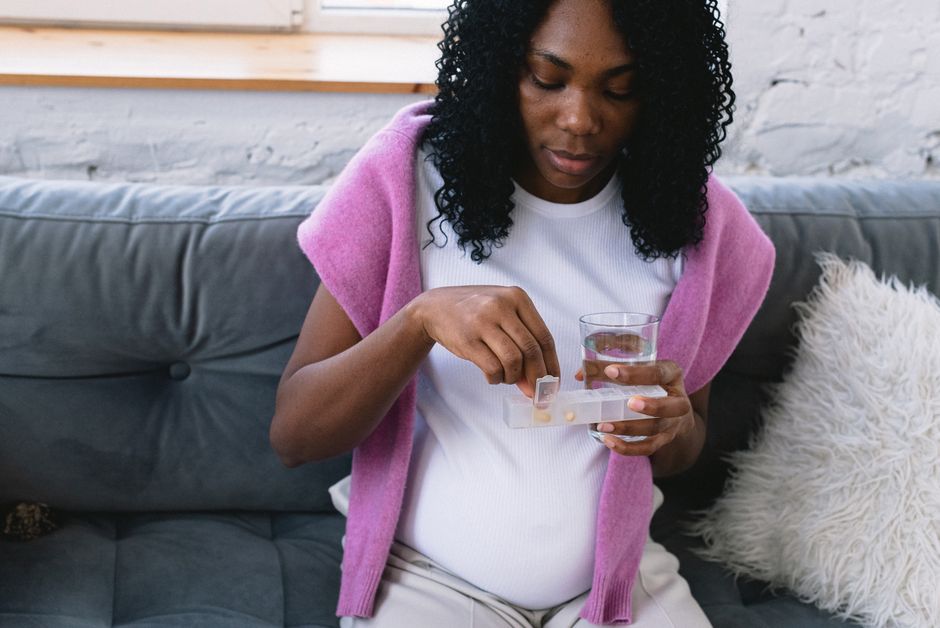
Prenatal vitamins cannot get you pregnant. No vitamin, mineral, or supplement alone can cause pregnancy. Pregnancy requires sperm meeting an egg during a fertile window. Prenatal vitamins support a healthy body for conception, but they are not a fertility treatment.
Many women start taking prenatal vitamins when they begin trying to conceive. This is smart. These vitamins prepare your body for a healthy pregnancy. But the idea that they cause pregnancy is a misunderstanding of what they do.
Let’s look at what the evidence actually says.
What Do Prenatal Vitamins Actually Do?
Prenatal vitamins are a daily multivitamin designed for women who are trying to get pregnant or are already pregnant. They contain higher levels of certain nutrients that support fetal development. The most important one is folic acid.
The CDC recommends that all women of reproductive age take 400 micrograms of folic acid daily. This nutrient prevents neural tube defects in the developing brain and spine. These defects happen in the first few weeks of pregnancy, often before a woman knows she is pregnant.
Prenatal vitamins also contain iron, calcium, vitamin D, and DHA. Iron supports increased blood volume during pregnancy. Calcium protects your bone health while the baby’s bones form. Vitamin D helps your body absorb calcium. DHA is an omega-3 fat that supports the baby’s brain development.
None of these nutrients cause ovulation. None of them make sperm meet an egg. They support a healthy environment for a baby to grow if conception happens.
Can Prenatal Vitamins Get You Pregnant? What the Evidence Shows
Research published in the journal Obstetrics & Gynecology found that women who took multivitamins had slightly shorter times to pregnancy. But this was a correlation, not proof of cause. Women who take vitamins also tend to be healthier overall. They may eat better, exercise more, and see a doctor regularly.
The American College of Obstetricians and Gynecologists states that there is no strong evidence that taking prenatal vitamins improves fertility. They recommend them for nutritional support, not as a conception aid.
Some studies suggest that certain nutrients may help with specific fertility issues. For example, low vitamin D levels have been linked to ovulation problems. Correcting a deficiency may help restore regular cycles. But this is different from taking a prenatal vitamin to get pregnant.
If you have a nutrient deficiency, correcting it may improve your overall health. That can support fertility. But for most women with normal nutrient levels, taking a prenatal vitamin will not make you more fertile.
What Actually Affects Fertility?
Fertility depends on many factors. Age is the biggest one. Fertility starts to decline in the late 20s and drops more sharply after age 35. By age 40, the chance of getting pregnant naturally in any given month is about 5 percent.
Ovulation regularity matters. If you do not ovulate each month, you cannot get pregnant. Conditions like polycystic ovary syndrome (PCOS) can stop ovulation. So can thyroid problems, high prolactin levels, and extreme weight changes.
Sperm health matters just as much. About one-third of infertility cases involve male factors. Low sperm count, poor sperm movement, or abnormal sperm shape can all prevent pregnancy.
Other factors include:
- Body weight – Being underweight or overweight can disrupt ovulation
- Stress – High stress levels can affect hormone balance
- Smoking – Damages eggs and sperm
- Alcohol – Heavy drinking reduces fertility in both men and women
- Caffeine – High intake may slightly increase time to pregnancy
A prenatal vitamin does not fix any of these issues. It is not a treatment for PCOS, low sperm count, or age-related fertility decline.




Nutrients That May Support Fertility
Some nutrients have a genuine role in reproductive health. Coenzyme Q10 (CoQ10) is one. Research published in Human Reproduction Update found that CoQ10 may improve egg quality in older women. It helps cells produce energy, and egg cells need lots of energy to mature properly.
Vitamin D is another. A study in the European Journal of Endocrinology found that women with adequate vitamin D levels had higher pregnancy rates during IVF. Vitamin D receptors are present in the uterus and ovaries. Low levels may affect implantation.
Zinc is important for both men and women. It supports egg development and sperm formation. A zinc deficiency can delay puberty and cause irregular periods. But again, this only matters if you actually have a deficiency.
Here is a simple comparison of what prenatal vitamins contain versus what fertility research has studied:
| Nutrient | In Prenatal Vitamins | Studied for Fertility |
|---|---|---|
| Folic acid | Yes, high dose | Prevents birth defects, not shown to improve conception |
| Iron | Yes | Supports blood health, not shown to improve fertility in non-anemic women |
| Vitamin D | Usually 400-600 IU | May help if deficient, but higher doses may be needed |
| CoQ10 | Not typically included | Some evidence for egg quality in women over 35 |
| Zinc | Usually included | Important for ovulation and sperm health |
| DHA | Often included | Fetal brain development, not shown to improve conception |
If you are trying to get pregnant, a prenatal vitamin is a good baseline. But it is not a complete fertility plan.
When Should You See a Doctor?
If you are under 35 and have been trying to get pregnant for 12 months without success, see a doctor. If you are over 35, see one after 6 months. If you are over 40, consider seeing a doctor right away.
Your doctor can run basic tests. They can check if you are ovulating. They can check your partner’s sperm count. They can look for thyroid problems, hormone imbalances, or blocked fallopian tubes.
Some women see a doctor earlier. If you have irregular periods, painful periods, or a history of pelvic infections, do not wait. If you have had multiple miscarriages, see a doctor sooner.
A prenatal vitamin will not help if there is a structural problem or a hormonal disorder. You need a proper diagnosis.
Do not assume that taking a prenatal vitamin means you are doing everything you can. It is one small piece of a larger picture.
Common Misconceptions About Prenatal Vitamins and Fertility
Some people believe that prenatal vitamins make your cycles more regular. There is no evidence for this. If your periods are irregular, the cause is usually a hormone imbalance, not a nutrient deficiency.
Others think that taking extra folic acid boosts fertility. The Institute of Medicine recommends 400 micrograms daily for all women of reproductive age. Taking more than that does not improve your chances of getting pregnant. It simply ensures adequate levels for preventing birth defects.
A third misconception is that men do not need prenatal vitamins. Men do not need prenatal vitamins specifically. But men who are trying to conceive should take a good multivitamin with zinc and selenium. These nutrients support sperm health. A study in the Journal of Clinical Endocrinology & Metabolism found that zinc supplements improved sperm quality in men with low levels.
The most dangerous misconception is that prenatal vitamins can replace fertility treatment. They cannot. If you have blocked tubes, endometriosis, or a low sperm count, a vitamin will not fix it. Do not waste months hoping a supplement will work when you need medical help.
What to Avoid When Trying to Get Pregnant
Some things can harm your fertility. Avoid them if you are trying to conceive.
Do not smoke. Smoking damages eggs and speeds up egg loss. Women who smoke reach menopause 1 to 4 years earlier than non-smokers. It also harms sperm quality in men.
Limit alcohol. The CDC advises that no amount of alcohol is safe during pregnancy. For women trying to get pregnant, the safest choice is to avoid alcohol completely. Heavy drinking disrupts ovulation and lowers sperm quality.
Watch your caffeine intake. The American College of Obstetricians and Gynecologists recommends less than 200 milligrams per day during pregnancy. That is about one 12-ounce cup of coffee. High caffeine intake may slightly increase the time it takes to get pregnant.
Do not take herbal supplements without checking with your doctor. Some herbs can affect hormones or interfere with fertility treatments. St. John’s Wort, for example, can affect how your body processes estrogen.
Avoid extreme diets. Very low-calorie diets can stop ovulation. So can very high-protein, low-carb diets if they cause rapid weight loss. Your body needs a certain amount of body fat to produce enough estrogen for ovulation.
Do not rely on ovulation predictor kits alone. They detect the surge in luteinizing hormone that happens before ovulation. But they do not confirm that ovulation actually occurred. Some women get a surge but do not release an egg.
The best approach is to track your cycle for a few months. Note the length of your cycle, when you feel fertile signs like cervical mucus changes, and when you get a positive ovulation test. This gives you a clearer picture of your fertile window.
What Actually Works to Improve Fertility
If you want to improve your chances of getting pregnant, focus on things that have real evidence behind them.
Track your fertile window. You are most fertile in the 6 days leading up to and including ovulation. Having intercourse every 1 to 2 days during this window gives you the best chance. Sperm can live in the female reproductive tract for up to 5 days.
Maintain a healthy weight. A BMI between 19 and 25 is ideal for fertility. Being underweight can stop ovulation. Being overweight can cause insulin resistance and hormone imbalances. Even losing 5 to 10 percent of your body weight can restore ovulation in overweight women with PCOS.
Manage stress. High cortisol levels can suppress ovulation. Yoga, meditation, or even a 20-minute walk can help lower stress. One study in Human Reproduction found that women who did a relaxation program had higher pregnancy rates than those who did not.
Take a good multivitamin. This includes prenatal vitamins for women and a general multivitamin for men. But do not expect it to be a magic bullet. It is part of a healthy foundation, not a treatment.
Consider acupuncture. Some evidence suggests it may help with IVF outcomes. The research is mixed, but some women find it helpful for stress reduction. It will not replace medical treatment for blocked tubes or low sperm count.
If you are over 35, do not wait too long to see a specialist. Age is the single biggest factor in female fertility. The number and quality of eggs decline with age. Fertility treatments like IVF can help, but they work best when started earlier rather than later.
Frequently Asked Questions
Can prenatal vitamins help me get pregnant faster?
No. Prenatal vitamins support your overall health but have not been shown to speed up conception. They are recommended for preventing birth defects once you are pregnant.
Should my partner take prenatal vitamins too?
Men do not need prenatal vitamins. A general multivitamin with zinc and selenium can support sperm health. Your partner should also take folic acid only if advised by a doctor.
How long should I take prenatal vitamins before trying to conceive?
The CDC recommends starting folic acid at least one month before you start trying. Most doctors suggest taking prenatal vitamins for 1 to 3 months before conception to build up nutrient levels.
Can prenatal vitamins cause side effects?
Some women experience nausea, constipation, or an upset stomach. Taking them with food or at bedtime can help. The iron in prenatal vitamins is a common cause of constipation.
