
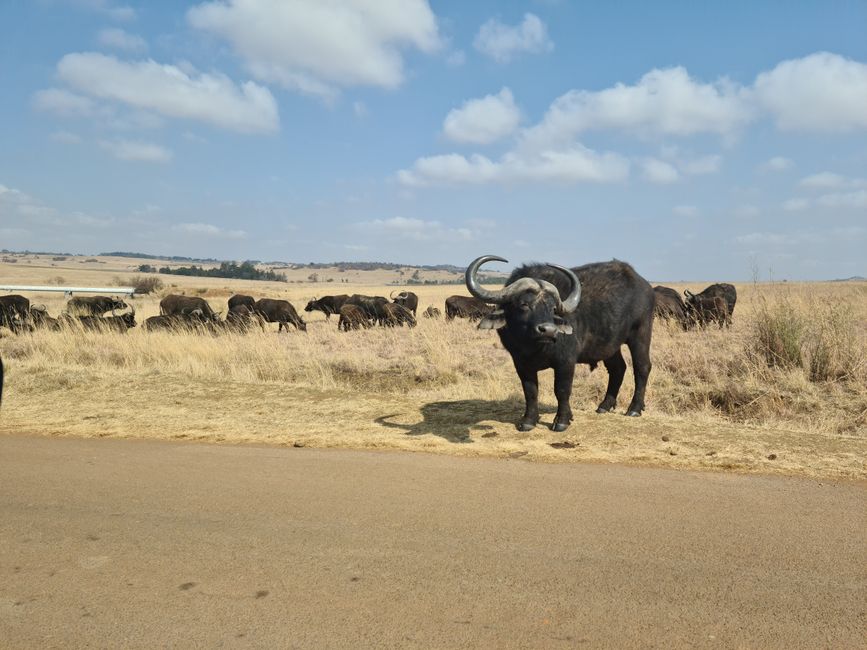
Water buffalo don’t follow the same milking schedule as dairy cows. A buffalo typically gives milk for about 300 days after giving birth, but some continue producing for much longer. Under certain conditions, buffalo have been known to produce milk for two years or more without becoming pregnant again. The exact answer depends on the buffalo’s breed, nutrition, milking routine, and whether she is still being milked regularly.
How Long Can Buffalo Give Milk Without Being Pregnant?
Most water buffalo have a lactation period of roughly 300 days after calving. This means a buffalo that gives birth in January will usually produce milk until around November of the same year. That is the standard lactation length for the major dairy buffalo breeds, including the Murrah and Nili-Ravi.
But lactation does not always stop at 300 days. Some buffalo continue producing milk well beyond that point. Extended lactation periods of 400 to 500 days are documented in well-managed herds. In rare cases, buffalo have been reported to lactate for over two years without a new pregnancy. These are not typical cases, but they are real.
The key factor is continued milking. A buffalo that is milked regularly will keep producing longer than one that is dried off. Milk production gradually declines over time, but it does not stop abruptly on a fixed schedule.
What Determines How Long a Buffalo Keeps Producing Milk?
Several factors influence lactation length in buffalo. Genetics play a major role. Some buffalo lines are simply bred for longer, more persistent lactation. Others are bred for high peak production but shorter overall lactation.
Nutrition is equally important. A buffalo that receives balanced feed with adequate energy and protein will maintain milk production longer than one on a poor diet. Body condition matters too. Buffalo that lose too much weight during early lactation often dry off sooner.
Milking frequency also matters. Buffalo milked twice daily tend to lactate longer than those milked once. The physical stimulation of milking signals the body to keep producing milk. When milking stops, the udder fills, pressure builds, and milk production shuts down.
Age and parity also play a part. Older buffalo that have had several calves often show longer lactation persistence than first-calf heifers.
Why Do Some Buffalo Lactate for Years Without Getting Pregnant?
Prolonged lactation without pregnancy happens when a buffalo is not bred after calving. In commercial dairy operations, buffalo are usually bred again within 60 to 90 days after giving birth. The goal is one calf per year and peak milk production.
But if a farmer chooses not to breed the buffalo, or if breeding attempts fail, the buffalo simply continues lactating. Her milk production will gradually fall over time, but it does not stop just because she is not pregnant.
This is a natural biological response. Lactation is maintained by the hormone prolactin, which stays elevated as long as milking continues. Pregnancy is not required to keep prolactin levels up. The udder continues producing milk as long as it is regularly emptied.
Some buffalo in village herds in South Asia are known to lactate for 18 to 24 months when not rebred. This is not harmful to the buffalo if she is well fed and healthy. But it does mean she is not producing calves, which is economically important for most farmers.





Is Long Lactation Good for the Buffalo?
Extended lactation is not inherently harmful, but it has trade-offs. A buffalo that lactates for two years without calving will have a longer gap between calves. This reduces her lifetime calf production. For farmers who depend on selling calves or replacement stock, that is a real cost.
There is also the question of udder health. Buffalo milked for very long periods without a dry period may have higher risk of mastitis, though the evidence here is not strong. Some studies suggest that a dry period of 45 to 60 days before the next calving is beneficial for udder health and future milk yield. This is common practice in dairy cattle and is generally applied to buffalo as well.
Nutritional demands are another consideration. Milk production requires significant energy. A buffalo producing milk for two years needs consistent high-quality feed for the entire period. If feed quality drops, she will lose body condition and may develop health problems.
How Does Buffalo Milk Production Compare to Cows?
Buffalo produce less milk per day than dairy cows, but their milk is richer. A good Murrah buffalo produces about 6 to 10 liters per day during peak lactation. Holstein cows produce 25 to 35 liters per day. However, buffalo milk has about twice the butterfat content of cow milk, around 7 to 8 percent compared to 3.5 to 4 percent.
Lactation length is similar between the two species. Dairy cows typically lactate for about 305 days, which is the standard lactation used in dairy records. Buffalo match that or exceed it slightly. Extended lactation is possible in both species, but it is more commonly practiced in buffalo herds in South Asia and the Mediterranean region.
Can Buffalo Be Milked Without Ever Having a Calf?
No. A buffalo must give birth to start lactating. The hormonal changes of pregnancy and birth trigger the onset of milk production. A virgin buffalo that has never calved will not produce milk.
There are rare reports of virgin buffalo producing small amounts of milk, and some heifers develop slight udder development before their first calving. But this is not meaningful milk production. It is not a practical way to get milk.
Induced lactation without pregnancy has been studied in cattle using hormone treatments. Some success has been reported in cows, but this is experimental and not standard practice. No reliable protocols exist for buffalo, and it is not done commercially.
What Is the Ideal Calving Interval for Buffalo?
Most dairy experts aim for a calving interval of about 12 to 14 months for buffalo. This means the buffalo is bred about 60 to 90 days after calving, and she calves again about 10 months later. This schedule maximizes lifetime milk production while keeping the buffalo healthy.
A longer calving interval of 15 to 18 months is sometimes used in herds where milk production is high and the buffalo is in good condition. This gives the buffalo more time to recover between pregnancies. But intervals beyond 18 months generally reduce total lifetime productivity.
There is no single right answer for every herd. The best calving interval depends on the buffalo’s milk yield, body condition, feed availability, and the farmer’s goals.
What Happens When Milking Stops?
When a buffalo is no longer milked, milk production stops within days. The udder becomes engorged, pressure builds, and the body receives signals to stop producing milk. This is called drying off. Milk production typically ceases within 5 to 10 days after the last milking, though some residual milk may remain for a short time.
Dry-off is a normal part of the dairy cycle. It gives the udder tissue time to rest and regenerate before the next calving. Most commercial dairy operations dry off buffalo about 60 days before the expected calving date.
If a buffalo is not milked and not pregnant, she simply stops producing milk and returns to a non-lactating state. She will not produce milk again until she gives birth to another calf.
Frequently Asked Questions
Can a buffalo produce milk without being pregnant?
No. A buffalo must give birth to start producing milk. She can continue lactating for months or even years after calving without becoming pregnant again, but she cannot start lactating without first having a calf.
How long does a buffalo produce milk after calving?
Most buffalo produce milk for about 300 days after calving. With good nutrition and regular milking, some continue for 400 to 500 days or longer.
Is it bad for a buffalo to lactate for two years?
Not necessarily, if she is well fed and healthy. Extended lactation is not harmful by itself, but it means fewer calves over the buffalo’s lifetime and requires consistent high-quality nutrition.
How many liters of milk does a buffalo produce per day?
A good dairy buffalo produces about 6 to 10 liters per day during peak lactation. Her milk has roughly double the butterfat of cow milk.
