
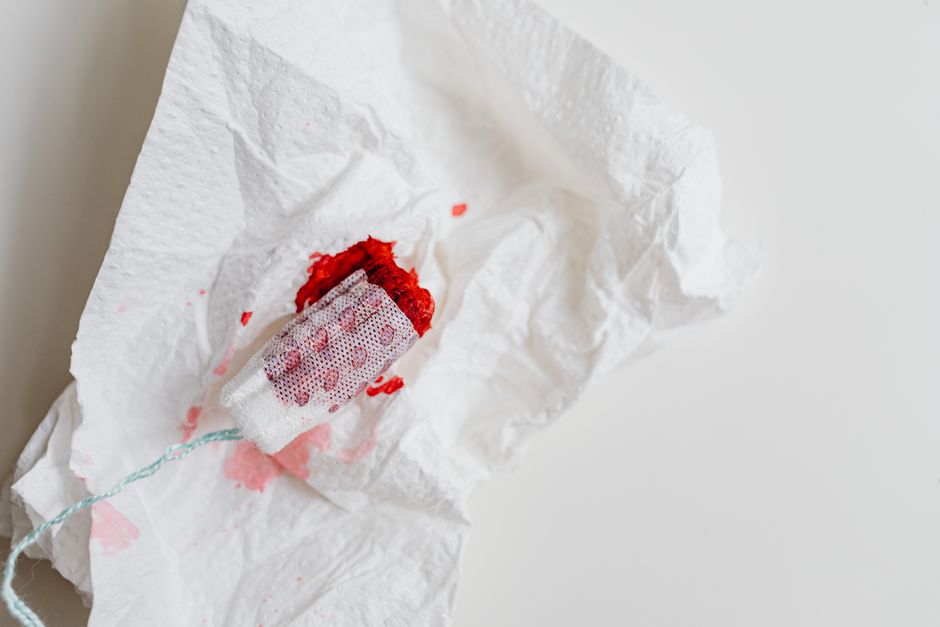
Yes, colon polyps can cause bleeding. In fact, rectal bleeding is one of the most common signs that a polyp is present. However, most polyps do not cause any symptoms at all, which is why regular screening is so important. When bleeding does occur, it is usually minor, but it should always be taken seriously and evaluated by a doctor.
Why Do Polyps Bleed?
Polyps are abnormal growths of tissue that project from the lining of the colon or rectum. They develop when cells divide more rapidly than they should. As these growths enlarge, they develop their own network of fragile blood vessels.
Stool moving through the colon can rub against a polyp and irritate those delicate vessels. This friction can cause the vessels to break and bleed. The bleeding is often slow and intermittent. You may not see it at all, or you may only notice it on toilet paper after wiping.
Some polyps have a stalk, like a mushroom. These are called pedunculated polyps. They tend to bleed more easily than flat polyps because they are more exposed to the passage of stool. Flat polyps, called sessile polyps, can bleed too, but they are often more dangerous because they are harder to detect and more likely to contain cancerous cells.
What Does Polyp Bleeding Look Like?
The appearance of the blood depends on where the polyp is located. Polyps in the lower part of the colon, near the rectum, usually produce bright red blood. You might see it on the toilet paper, on the surface of the stool, or in the toilet bowl.
Polyps higher up in the colon produce darker blood. By the time blood travels down through the digestive tract, it has been partially digested. This can make the stool look black and tarry, a condition called melena. Black stool is also associated with bleeding in the stomach or upper intestine, so it always requires medical evaluation.
Sometimes the bleeding is so small that it is invisible to the naked eye. This is called occult bleeding. It can only be detected with a fecal immunochemical test (FIT) or a stool DNA test. Over time, even small amounts of occult bleeding can lead to iron deficiency anemia. If you are diagnosed with unexplained anemia, your doctor may recommend a colonoscopy to look for a source of bleeding.
Can Polyps Cause Bleeding Without Being Cancerous?
Yes. In fact, most bleeding polyps are benign, meaning they are not cancerous. There are several types of polyps, and only one type is considered precancerous.
The most common type is the hyperplastic polyp. These are usually small, harmless, and rarely bleed. They are not considered to have significant cancer risk.
Adenomatous polyps, or adenomas, are the type most likely to become cancerous over time. They are also the type most likely to bleed. However, even adenomas are not cancer yet. They are precancerous growths. If they are removed during a colonoscopy, the risk of them turning into cancer is eliminated.
Another type, called sessile serrated polyps, can also become cancerous and may bleed. These are flat and often found in the right side of the colon. They can be harder to spot during a colonoscopy, which is why proper bowel preparation and a careful examination are essential.
The key point is that bleeding does not mean you have cancer. But it does mean you need to find out what is causing the bleeding.





How Much Bleeding Is Dangerous?
Any rectal bleeding warrants a conversation with your doctor. Even a single episode of bright red blood should not be ignored. While hemorrhoids and anal fissures are common and benign causes of bleeding, you cannot assume that is the cause without an evaluation.
Heavy bleeding is a more urgent situation. If you are passing large amounts of blood, passing blood clots, or feeling lightheaded and dizzy, seek emergency medical care. These symptoms could indicate significant blood loss. While polyps can bleed heavily, other conditions like diverticulitis or angiodysplasia can cause more severe bleeding.
Slow, chronic bleeding is also a concern, even if it does not feel urgent. Over months, losing small amounts of blood daily can deplete your iron stores. Iron is needed to make hemoglobin, the protein in red blood cells that carries oxygen. When iron levels drop, you can develop anemia. Symptoms of anemia include fatigue, weakness, pale skin, and shortness of breath.
Can Polyps Cause Bleeding During a Bowel Movement?
Yes, this is the most common time to notice polyp bleeding. The physical pressure of passing stool can disturb a polyp and cause it to bleed. This is why blood is often seen on the surface of the stool or on toilet paper.
However, bleeding can also happen independently of a bowel movement. Some people notice blood stains in their underwear or on their clothing. Others may only see blood in the toilet after urinating and wiping. If you are unsure whether the blood is coming from your vagina or your rectum, you should discuss this with your doctor. It is important to identify the exact source of the bleeding.
What Should You Do If You Notice Bleeding?
The first step is to make an appointment with your doctor. Do not assume it is just a hemorrhoid. Hemorrhoids are very common, but they are not the only possible cause. Polyps, inflammatory bowel disease, and colorectal cancer can all cause bleeding.
Your doctor will likely ask about your medical history, your family history of colon cancer, and any other symptoms you may have. They may perform a digital rectal exam. Depending on your age and risk factors, they may recommend a colonoscopy. A colonoscopy is the only way to definitively see polyps and remove them at the same time.
During a colonoscopy, a thin, flexible tube with a camera is inserted into the rectum. The doctor can see the entire colon. If a polyp is found, it is usually removed during the procedure. This is called a polypectomy. Removing a polyp stops the bleeding and eliminates the cancer risk associated with that specific growth.
Can Polyps Cause Bleeding After Removal?
Some bleeding after a polypectomy is normal. The removal site needs time to heal. Minor spotting or a small amount of blood in the stool for a few days after the procedure is usually not a cause for concern.
However, significant bleeding after a polypectomy is a known complication. It occurs in a small percentage of procedures, usually when a large polyp is removed. This bleeding can happen immediately or up to two weeks after the procedure. If you pass large amounts of blood, pass clots, or feel faint after a colonoscopy, contact your doctor or go to the emergency room right away.
It is also possible to develop new polyps after a colonoscopy. This is not the same as the original polyp growing back. It means a new polyp has formed. This is why follow-up colonoscopies are scheduled based on the number, size, and type of polyps found. People with a history of polyps need regular surveillance to catch new growths early.
How Are Polyps Related to Cancer?
Most polyps will never become cancer. But nearly all colorectal cancers start as polyps. This is why finding and removing polyps is so effective at preventing colorectal cancer.
The transformation from a benign polyp to cancer is slow. It typically takes many years, often a decade or more. This long window is why screening is so powerful. If a polyp is found and removed during this window, cancer is prevented entirely.
Not all polyps carry the same risk. Larger polyps, polyps with a villous appearance under the microscope, and polyps with high-grade dysplasia are more likely to progress to cancer. Your pathology report will describe these features. Your doctor will use this information to recommend your next screening interval.
Who Is at Risk for Bleeding Polyps?
Anyone can develop polyps, but certain factors increase the risk. Age is the strongest risk factor. Polyps become significantly more common after age 50, which is why screening is recommended starting at that age for average-risk individuals. Some organizations now recommend starting at age 45.
Other risk factors include a personal history of polyps or colorectal cancer, a family history of these conditions, and certain inherited syndromes. Lifestyle factors also play a role. Smoking, heavy alcohol use, obesity, and a diet high in red and processed meats have been associated with a higher risk of polyps.
Having risk factors does not mean you will definitely develop polyps. It simply means you should be more vigilant about screening. The goal is to find polyps before they bleed and before they have a chance to become cancerous.
Frequently Asked Questions
Can polyps cause bleeding without any other symptoms?
Yes, bleeding is often the only symptom of a polyp. Many people notice blood on the toilet paper or in the stool and have no pain or other discomfort.
Is bright red blood from the rectum always a polyp?
No. Hemorrhoids and anal fissures are more common causes of bright red blood. However, polyps and colorectal cancer can also cause it, so a medical evaluation is needed.
Can a bleeding polyp stop bleeding on its own?
Yes, bleeding from a polyp can stop temporarily. The blood vessel may clot and heal, but the polyp is still there and can bleed again at any time.
Does a bleeding polyp mean I have cancer?
No. Most bleeding polyps are benign or precancerous, not cancerous. However, a biopsy is required to know for certain what type of polyp is causing the bleeding.
