
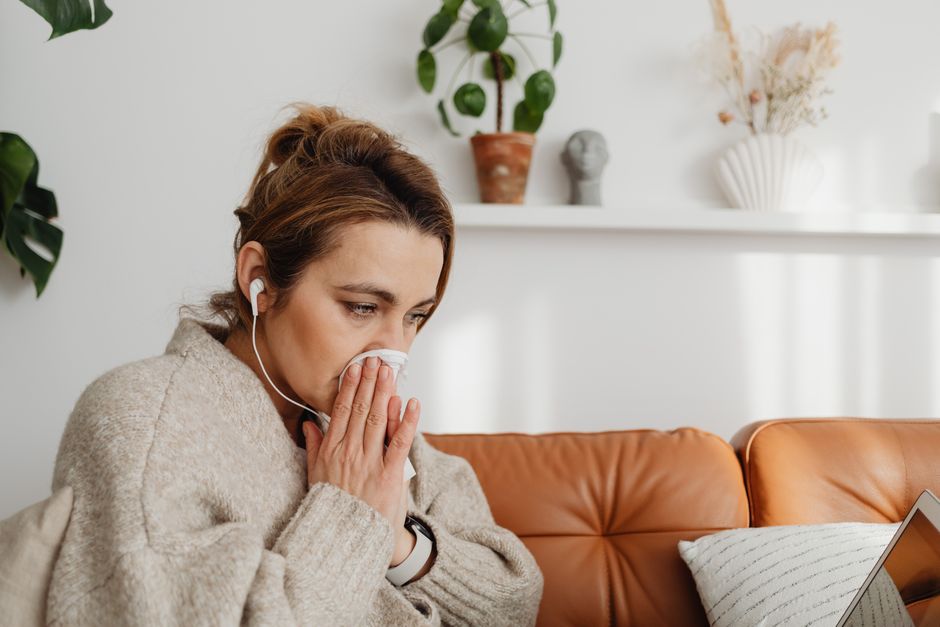
Yes, people can sneeze in their sleep, but it is less common than sneezing while awake. The reason is not that the sneeze reflex stops working. It is that your brain processes sensory signals differently during sleep, especially during the deep stages.
Why Do We Sneeze?
A sneeze is a protective reflex. Your body uses it to clear the nasal passages of irritants like dust, pollen, or viruses. When something touches the lining of your nose, a signal travels to your brainstem. The brainstem then triggers a rapid, forceful burst of air out through the nose and mouth.
This reflex is largely automatic. You do not consciously decide to sneeze. That is why it can happen even when you are not fully aware of your surroundings.
What Happens to the Sneeze Reflex During Sleep?
Sleep is not a single, uniform state. It has multiple stages, including light sleep, deep sleep, and REM sleep. Each stage changes how your brain responds to the outside world.
During deep sleep, your brain actively blocks most incoming sensory information. This is called sensory gating. It keeps your brain from waking up every time a leaf taps the window or your partner shifts in bed. The sneeze reflex depends on sensory input reaching the brainstem. If the signal is dampened, the reflex may not trigger.
During REM sleep, your body is mostly paralyzed to keep you from acting out dreams. This temporary paralysis can also suppress reflexes like sneezing.
So the reflex is not gone. It is just harder to trigger. A strong enough irritant, like a tickle from a feather or a sudden change in air temperature, can still break through. But a mild irritant that would make you sneeze during the day might not be enough to wake your brain at night.
Can You Wake Yourself Up Sneezing?
Yes. If a sneeze does trigger during sleep, the physical force of it often wakes you. The muscle contractions involved in a sneeze are strong. They involve your chest, abdomen, and throat. This sudden physical exertion can be enough to pull you out of a lighter sleep stage.
Some people also wake up just before sneezing. They feel the tickle in their nose, wake partially, and then sneeze. This feels like sneezing immediately upon waking, but the process actually started while they were still asleep.





Why Do Some People Sneeze More at Night?
Some people notice they sneeze more when they lie down to sleep. This is usually not because of the sleep state itself. It is because of what happens to your nose when you are horizontal.
When you lie flat, blood flow to your upper body increases. This can cause the blood vessels inside your nose to swell. Swollen nasal tissues produce more mucus. The extra mucus can drip down the back of your throat, which is a common irritant. This is called postnasal drip, and it can trigger sneezing or coughing.
Allergens in the bedroom can also play a role. Dust mites live in mattresses, pillows, and bedding. If you are allergic to dust mites, lying down puts you in direct contact with them. This can cause nighttime sneezing, stuffiness, and a runny nose.
Is It Dangerous to Sneeze in Your Sleep?
No. Sneezing during sleep is not dangerous. It is a normal reflex doing its job. The main downside is that it can wake you up and interrupt your sleep.
There is an old myth that sneezing with your eyes open will make your eyeballs pop out. This is false. The pressure from a sneeze is not strong enough to push the eyes out of their sockets. Your eyelids might close automatically, but that is a reflex, not a protective necessity.
Another common concern is that holding in a sneeze is harmful. Some people try to suppress a sneeze by pinching their nose or closing their mouth. This can increase pressure in your airways. In rare cases, this pressure has caused injuries like a ruptured eardrum or a damaged blood vessel in the eye. Letting a sneeze happen naturally is the safer choice.
How to Reduce Nighttime Sneezing
If nighttime sneezing is disrupting your sleep, the first step is to identify the cause. Common culprits include allergies, dry air, and postnasal drip.
Here are some practical steps that may help:
- Wash your bedding in hot water weekly to reduce dust mites.
- Use a hypoallergenic pillow and mattress cover to create a barrier against allergens.
- Run a humidifier in your bedroom if the air is dry. Dry air can irritate the nasal passages.
- Keep pets out of the bedroom if you are allergic to pet dander.
- Elevate your head slightly with an extra pillow to reduce postnasal drip.
- Rinse your nasal passages with a saline spray before bed if you have nasal congestion.
If these steps do not help, talk to a doctor. Persistent nighttime sneezing can be a sign of allergic rhinitis or another nasal condition. A doctor can help identify the specific trigger and recommend appropriate treatment. Some treatments, like nasal steroid sprays, are available by prescription and can reduce nighttime symptoms.
No clinical guidelines currently exist specifically for sneezing during sleep, because it is not a medical condition on its own. It is a symptom. Treating the underlying cause is the most effective approach.
When to See a Doctor
Sneezing during sleep is rarely a reason to see a doctor by itself. You should consider medical advice if the sneezing is frequent, severe, or accompanied by other symptoms.
See a doctor if you have:
- Chronic nasal congestion that does not improve with over-the-counter treatments.
- Facial pain or pressure that suggests a sinus infection.
- Fever, which can indicate an infection.
- Sleep disruption that leaves you tired during the day.
These symptoms point to something beyond a simple reflex. They may indicate allergies, sinusitis, or another condition that benefits from professional care.
Frequently Asked Questions
Can you sneeze while sleeping?
Yes, you can, but it is less likely than sneezing while awake. Your brain dampens sensory signals during deep sleep, so the reflex is harder to trigger.
Why do I sneeze as soon as I wake up?
This is often caused by a mild irritant that built up overnight, like dust mites, or by postnasal drip. The sneeze reflex becomes more active as you wake because your brain is processing sensory input again.
Can a sneeze wake you up?
Yes, a sneeze can wake you up. The strong muscle contractions involved in sneezing can be enough to pull you out of a light sleep stage.
Is sneezing in your sleep dangerous?
No, it is not dangerous. It is a normal reflex. The main issue is that it can interrupt your sleep.
