
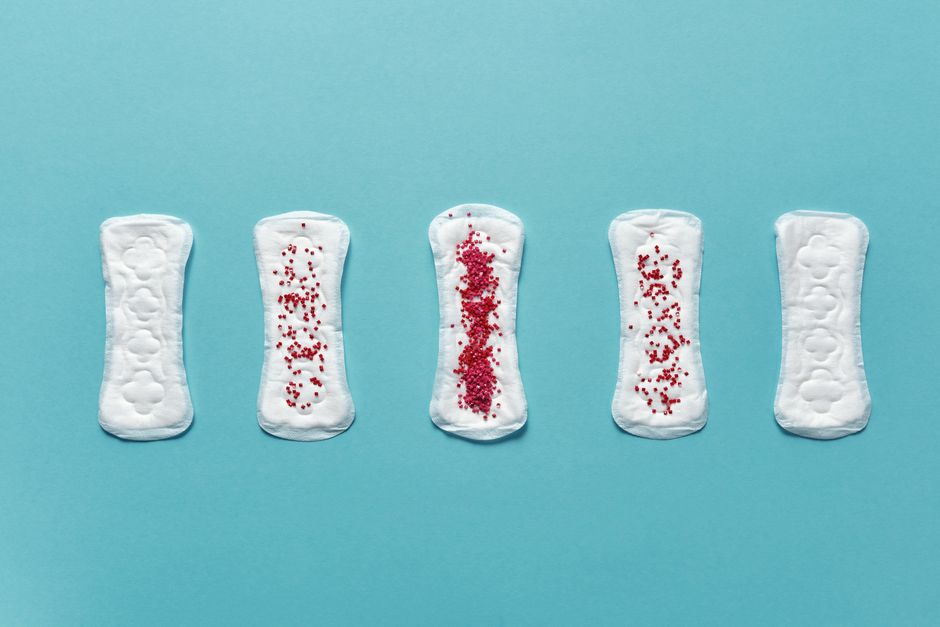
Yes, sanitary pads can cause ingrown hairs, though it is not the pad itself but the friction and moisture it creates against the skin. When a pad rubs against the pubic area for hours, the constant motion can push growing hairs back into the skin or trap them beneath the surface. This is especially common along the edges of the pad where the adhesive wings and raised borders chafe the most. The good news is that ingrown hairs from pads are highly preventable with a few simple changes to how you wear them and how you care for the skin underneath.
Why Do Pads Cause Ingrown Hairs?
The skin in the pubic region is more sensitive than skin elsewhere on the body. Hair in this area is often coarser and curlier, which already makes it prone to growing sideways or curling back into the follicle. A pad adds two problems on top of that: friction and occlusion.
Friction happens every time you move. Walking, sitting, bending, and even shifting in your sleep causes the pad surface to move against the skin. This rubbing action can abrade the top layer of skin and trap hair shafts against the follicle opening. Over hours of wear, the hair cannot break through normally and instead grows sideways under the skin.
Occlusion refers to the pad blocking airflow. Menstrual pads are designed to absorb fluid, but they also trap heat and moisture against the skin. This softens the skin and hair follicles, making it easier for the hair to penetrate the skin instead of exiting through the follicle opening. The combination of a softened outer skin layer and constant pressure is the primary mechanism behind pad-related ingrown hairs.
Where Do Pad-Related Ingrown Hairs Usually Appear?
Ingrown hairs from pads do not occur uniformly across the entire area the pad covers. They cluster in specific zones where the pad makes the most contact or where the hair is thickest.
The most common locations are the bikini line and the inner thighs. The edges of the pad, particularly where the wings fold over the underwear, create a raised ridge that presses into the skin. This ridge acts like a scraper, catching hairs and pushing them flat against the skin. The mons pubis, the area directly above the genitals, is also prone because it has the coarsest hair and receives the most direct pressure from the pad surface.
Ingrown hairs here look like small red bumps, sometimes with a visible hair loop beneath the skin. They can become tender, itchy, or mildly painful. If bacteria enter the trapped follicle, the bump can fill with pus and resemble a pimple. This is called folliculitis, and while uncomfortable, it usually resolves without medical treatment.
How Can You Prevent Ingrown Hairs From Pads?
Prevention focuses on reducing friction, limiting moisture, and choosing products that minimize skin contact. None of these steps require expensive products or elaborate routines.
Change pads more frequently. A saturated pad holds more moisture against the skin and becomes heavier, increasing both friction and occlusion. Changing every three to four hours during heavy flow days keeps the skin drier and reduces the window of time that friction acts on the hair follicles.
Choose pads with a cotton top sheet. Many pads use synthetic materials that trap heat. Cotton allows more airflow and absorbs moisture away from the skin surface. Look for pads labeled as cotton-covered or made with organic cotton topsheets. These are not necessarily more absorbent, but they are gentler on sensitive skin.
Apply a barrier cream before wearing a pad. A thin layer of petroleum jelly or a zinc oxide cream along the bikini line and inner thighs creates a slip layer between the pad edge and the skin. This reduces the abrasive effect of the pad border. Apply only a small amount; too much cream can interfere with the pad’s adhesive.
Wear snug but not tight underwear. Loose underwear allows the pad to shift and slide against the skin with every movement. Snug cotton underwear holds the pad in a stable position, reducing the back-and-forth motion that causes friction. Avoid thongs during menstruation if you are prone to ingrown hairs, as the narrow fabric increases edge contact.
Exfoliate gently between periods. Light exfoliation two to three times per week removes dead skin cells that can trap hairs. Use a soft washcloth or a gentle sugar scrub. Do not exfoliate during your period when the skin is already irritated from pad wear.



Does Hair Removal Method Affect Pad-Related Ingrown Hairs?
Yes, and this is where many people unintentionally make the problem worse. The way you remove hair determines how the new hair grows back and whether it is likely to become trapped under a pad.
Shaving creates a sharp, angled tip on the hair. When this sharp tip grows back and meets the friction of a pad, it can easily pierce the skin and grow inward. Waxing and sugaring remove the hair from the root, so the new hair grows back with a soft, tapered tip that is less likely to penetrate the skin. However, waxing leaves the follicle empty and slightly inflamed, and wearing a pad over freshly waxed skin can increase irritation.
If you shave, the timing matters. Shave at least 24 to 48 hours before your period starts. This gives the skin time to recover and the hair follicles time to close before pad friction begins. Shaving during your period, when the skin is already softened and irritated, significantly increases the risk of ingrown hairs.
Depilatory creams dissolve hair just below the skin surface. They can be effective, but they also strip the skin of natural oils, leaving it more vulnerable to friction damage. If you use depilatory creams, test them on a small area first and wait at least 24 hours before wearing a pad.
What Should You Do If You Already Have an Ingrown Hair?
Most ingrown hairs from pads resolve on their own within one to two weeks. The key is to leave them alone and reduce further irritation.
Stop shaving or waxing the area until the bump heals. Continue wearing pads but change them more frequently than usual. You can also switch to a pad with a softer edge or use a menstrual cup for a few days to give the affected skin a break from friction entirely.
Warm compresses can help. Apply a clean washcloth soaked in warm water to the area for ten minutes twice daily. This softens the skin and can help the trapped hair surface on its own. Do not squeeze or pick at the bump. Picking introduces bacteria and can turn a minor ingrown hair into a larger infection that requires medical treatment.
If the hair loop is visible just beneath the skin surface, you can gently lift it with a sterilized needle after a warm compress. Insert the needle under the hair loop and lift upward to release the hair. Do not pull the hair out. Once the tip is free, leave it. Pulling the entire hair out can cause the follicle to become inflamed and increases the chance of recurrence.
See a doctor if the bump becomes increasingly painful, expands in size, or develops spreading redness. These signs suggest a bacterial infection that may require prescription antibiotic ointment. This is uncommon, but it happens more often in people who pick at ingrown hairs.
Are Some People More Prone to Pad-Related Ingrown Hairs?
Certain factors increase susceptibility. People with naturally curly or coarse pubic hair are more prone because curved hair shafts have a higher tendency to re-enter the skin. People with sensitive skin conditions like eczema or psoriasis may find that pad friction triggers flares in addition to ingrown hairs.
Body weight also plays a role. Higher body weight increases the pressure of the pad against the skin and can create deeper skin folds where friction concentrates. People who exercise during their period may notice more ingrown hairs because physical activity increases pad movement and sweat production.
If you consistently develop ingrown hairs from pads despite changing them frequently and using cotton varieties, consider alternative menstrual products. Menstrual cups and discs do not contact the outer skin and therefore cannot cause friction-related ingrown hairs. Period underwear is another option, though the fabric edges can cause similar friction if they are tight against the bikini line.
Does the Type of Pad Matter?
Pad design significantly influences friction. Pads with textured surfaces, raised center channels, or embossed patterns create more points of contact with the skin. These features are marketed for faster absorption, but they also increase the abrasive surface area.
Scented pads are a separate concern. Fragrances do not cause ingrown hairs directly, but they can cause contact dermatitis in sensitive individuals. Dermatitis inflames the skin and makes the follicle opening swell, which can trap hairs that would otherwise grow out normally. If you notice itching or redness that extends beyond the pad edges, switch to an unscented, unbleached cotton pad.
Wingless pads may reduce ingrown hairs for some people. The wings fold over the underwear edge and press directly into the crease of the inner thigh, a prime location for ingrown hairs. Wingless pads sit flat within the underwear and do not create this raised pressure ridge. Try both styles to see which causes less irritation for your specific anatomy.
Frequently Asked Questions
Can wearing a pad for too long cause ingrown hairs?
Yes, wearing a pad for extended periods increases both moisture and friction against the skin. Changing your pad every three to four hours reduces the time that friction acts on hair follicles.
Do organic cotton pads prevent ingrown hairs better than regular pads?
Organic cotton pads reduce irritation because the material allows more airflow and contains no synthetic fibers or fragrances. They do not eliminate the friction that causes ingrown hairs, but they lower the overall skin irritation that makes ingrown hairs more likely.
Should I stop shaving if I get ingrown hairs from pads?
Yes, stop shaving the affected area until the ingrown hairs heal. Shaving creates sharp hair tips that are more likely to pierce the skin when combined with pad friction.
Can menstrual cups prevent ingrown hairs?
Menstrual cups and discs do not contact the outer skin surface, so they cannot cause friction-related ingrown hairs. Switching to a cup for a few days can also give irritated skin time to heal.
