
Yes, mold exposure can cause hallucinations in some people, though it is rare. This happens when certain types of mold produce toxic compounds called mycotoxins that affect the brain and nervous system. The most common cause is long-term exposure to Stachybotrys chartarum, also known as black mold, in water-damaged buildings. Hallucinations from mold are not like what you see in movies — they are usually subtle, such as seeing shadows or hearing faint sounds that are not there.
How Does Mold Exposure Affect the Brain?
Mold spores are tiny particles that float in the air. When you breathe them in, they can enter your lungs and sometimes your bloodstream. The immune system reacts by releasing inflammatory chemicals. In some people, these chemicals cross the blood-brain barrier and cause inflammation in the brain.
Research published in the journal Environmental Health Perspectives found that people living in water-damaged buildings had higher levels of inflammatory markers in their blood. These markers are linked to brain fog, memory problems, and mood changes. The inflammation can also affect how brain cells communicate with each other.
Some molds produce mycotoxins, which are toxic substances that can directly damage nerve cells. The trichothecene mycotoxins from Stachybotrys are especially concerning. Studies in animals show these toxins can disrupt the function of neurons in parts of the brain that process sensory information.
This disruption may explain why some people report seeing or hearing things that are not real. The brain is trying to make sense of scrambled signals, and sometimes it fills in gaps with false perceptions.
Can Mold Exposure Cause Hallucinations Directly?
The short answer is yes, but the evidence is not as strong as for other mold symptoms like respiratory problems. The CDC reports that mold exposure is linked to stuffy nose, wheezing, and eye irritation in most people. Hallucinations are not listed as a common symptom.
However, case reports in medical literature describe people who lived in moldy homes and experienced visual or auditory hallucinations that went away after they moved out. One study from the University of Connecticut looked at a family living in a home with high levels of Stachybotrys. Several family members reported seeing shadowy figures and hearing voices. After the mold was removed and the home was cleaned, the hallucinations stopped.
These case reports are not the same as large clinical trials. They suggest a link but do not prove cause and effect. It is possible that other factors in water-damaged buildings, such as bacteria or chemical off-gassing, also play a role.
What is clear is that if someone is having hallucinations and lives in a moldy environment, mold should be considered as one possible cause, especially when other explanations have been ruled out.
What Types of Hallucinations Are Reported?
People who link their hallucinations to mold exposure often describe specific patterns. Visual hallucinations are the most common. These can include seeing movement out of the corner of your eye, shadows that seem to move, or objects that appear to change shape.
Auditory hallucinations are less common but still reported. People may hear faint whispering, footsteps, or music that no one else can hear. These sounds are usually not threatening, but they can be disturbing because they feel real.
Some people also report tactile hallucinations — the feeling of something crawling on their skin. This is sometimes called formication. It can be confused with the physical sensation of mold spores or dust mites on the skin, but in hallucination cases, the feeling persists even when nothing is there.
It is worth noting that these symptoms overlap with other conditions like anxiety, sleep deprivation, and certain neurological disorders. A doctor should always evaluate new hallucinations to rule out more common causes first.





Who Is Most at Risk for Mold-Related Hallucinations?
Not everyone who lives in a moldy home will have hallucinations. Certain groups appear to be more vulnerable. People with weakened immune systems, such as those on chemotherapy or with autoimmune diseases, may be more sensitive to mycotoxins.
Children are another group to watch. Their brains are still developing, and their immune systems are less experienced at handling toxins. Some case reports describe children in moldy homes who had behavioral changes, trouble sleeping, and reported seeing things that were not there.
People with a history of migraines or seizures may also be at higher risk. Mold exposure can trigger inflammation that lowers the threshold for these events. In rare cases, the same inflammation might trigger hallucination-like experiences.
Genetics likely play a role too. About 25% of the population has a gene variant that makes them less able to clear mycotoxins from their body. This group may be more likely to experience neurological symptoms from mold exposure.
How Is Mold-Related Hallucination Diagnosed?
There is no single test that can confirm mold caused a hallucination. Doctors usually start by ruling out other causes. This includes a physical exam, blood tests, and sometimes brain imaging to check for tumors, stroke, or infection.
A detailed history of the person’s living environment is important. If symptoms started after moving into a water-damaged home or workplace, mold becomes a stronger suspect. Doctors may ask about visible mold, musty odors, or recent water leaks.
Some specialists use urine tests to measure mycotoxin levels. The test looks for breakdown products of mold toxins in the body. However, these tests are not FDA-approved for diagnosing mold illness. They are controversial and not widely accepted in mainstream medicine.
The strongest evidence for a mold link is when symptoms improve after leaving the moldy environment. If hallucinations stop within days or weeks of moving out, and no other cause is found, mold exposure is a likely explanation.
What Should You Do If You Suspect Mold Is Causing Hallucinations?
If you or someone you know is having hallucinations, the first step is to see a doctor. Hallucinations can be a sign of serious medical conditions that need treatment. Do not assume mold is the cause without a medical evaluation.
If the doctor finds no other explanation and you live in a moldy environment, take action to address the mold. The EPA recommends fixing water leaks within 24 to 48 hours. Remove and replace water-damaged materials like drywall, carpet, and insulation.
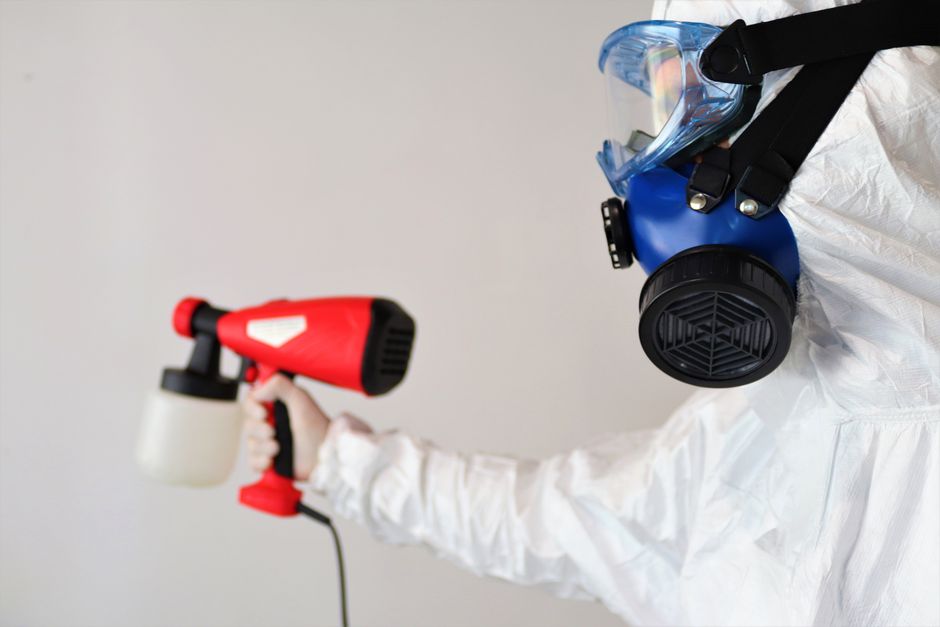
Professional mold remediation is often needed for large areas. Do not try to clean mold yourself if the affected area is bigger than 10 square feet. Disturbing mold can release more spores into the air and make symptoms worse.
After remediation, air purifiers with HEPA filters can help remove remaining spores. Keep humidity levels below 50% using a dehumidifier. Some people find that their symptoms improve gradually over weeks or months once the mold source is gone.
| Symptom | Common with Mold | Less Common with Mold |
|---|---|---|
| Stuffy nose, coughing | Yes — well-documented | No |
| Wheezing, asthma attacks | Yes — CDC confirmed | No |
| Eye irritation, skin rash | Yes — common | No |
| Brain fog, memory issues | Moderate evidence | Yes — less studied |
| Hallucinations | Rare, case reports only | Yes — not proven in large studies |
What Are Common Misconceptions About Mold and Hallucinations?
One widespread myth is that black mold always causes hallucinations. This is not true. Most people exposed to Stachybotrys do not have hallucinations. The vast majority experience only respiratory symptoms or no symptoms at all.
Another misconception is that mold hallucinations are vivid and terrifying like in horror movies. In reality, they are usually mild and vague. People often describe them as more confusing than frightening. They may not even realize they are hallucinations at first.
Some online sources claim that mold exposure always leads to permanent brain damage. There is no evidence to support this. The brain is remarkably resilient. Once the mold source is removed, most neurological symptoms improve over time.
A final myth is that mold testing kits sold in stores can tell you if your home is dangerous. These kits are not reliable. They can tell you mold is present but not what type or how much. Professional testing by a certified industrial hygienist is the only accurate way to assess mold risk.
- Mold hallucinations are rare — most people with mold exposure never experience them.
- Symptoms usually improve after leaving the moldy environment.
- Medical evaluation is essential to rule out other causes first.
- Professional remediation is safer than DIY cleaning for large areas.
- HEPA air purifiers and dehumidifiers help reduce ongoing exposure.
Frequently Asked Questions
Can black mold cause hallucinations?
Yes, but it is rare. Black mold produces mycotoxins that can affect the brain in some people, leading to hallucinations in extreme cases.
How long after mold exposure do hallucinations start?
There is no set timeline. Some people report symptoms after weeks of exposure, while others develop them only after months or years in a moldy environment.
Do mold hallucinations go away on their own?
They usually improve once you leave the moldy environment. Complete resolution can take weeks to months depending on the person and the level of exposure.
What doctor treats mold-related hallucinations?
Start with your primary care doctor. They may refer you to a neurologist or an environmental medicine specialist for further evaluation and treatment.
