
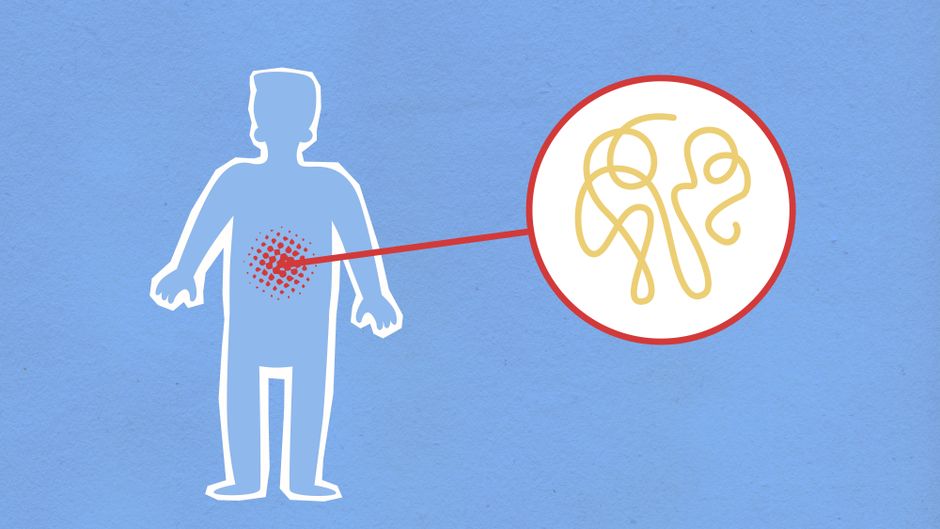
Mold exposure can cause real digestive symptoms, but it does not cause Irritable Bowel Syndrome (IBS) in the way most people think. IBS is a functional gut disorder with specific diagnostic criteria. Mold can trigger nausea, vomiting, diarrhea, or abdominal pain when you inhale spores or eat contaminated food, but these are acute reactions, not the chronic pattern of IBS. However, if you already have IBS, living in a moldy environment can worsen your symptoms through inflammation and immune system activation.
What Is the Difference Between Mold Reactions and IBS?
IBS is a diagnosis of exclusion. Doctors diagnose it when you have recurring abdominal pain and changes in bowel habits for at least three months, and no other disease explains your symptoms. It is a disorder of the gut-brain axis, meaning your nervous system and digestive tract are not communicating properly.
Mold reactions are different. When you inhale mold spores, your immune system may respond with inflammation. This can cause short-term digestive distress, but it does not meet the criteria for IBS. The key difference is timing and pattern. IBS symptoms are chronic and relapsing. Mold reactions are typically linked to exposure and improve when the mold is removed.
Can Mold Cause IBS Gut Effects of Mold Exposure?
Yes, mold exposure can produce gut effects that look like IBS, but the mechanism is different. When mold spores enter your body, your immune system releases inflammatory chemicals called cytokines. These chemicals can slow or speed up intestinal transit, causing constipation or diarrhea. They can also sensitize the nerves in your gut, making you feel pain from normal digestion.
This is why people sometimes mistake mold reactions for IBS. The symptoms overlap: bloating, cramping, loose stools, and nausea. But the underlying problem is not a gut-brain communication disorder. It is an immune response to a trigger. Remove the mold, and the gut symptoms often resolve.
Research on this specific connection is limited. Some studies suggest that people living in water-damaged buildings report more gastrointestinal symptoms, but no large clinical trials have confirmed a direct causal link between mold and IBS. The evidence is strongest for mold worsening existing gut conditions, not creating them from scratch.
How Does Mold Affect the Gut Microbiome?
Your gut contains trillions of bacteria, fungi, and other microbes. This community is called the microbiome. Mold spores can disrupt this balance. When your immune system mounts a defense against mold, it can alter the environment in your intestines. Some research suggests this can reduce beneficial bacteria and allow harmful strains to grow.
This disruption is not the same as a mold infection in your gut. True gastrointestinal mold infections are rare and mostly occur in people with severely weakened immune systems. What is more common is the inflammatory response to inhaled mold affecting gut function indirectly.
Some alternative medicine practitioners claim that mold colonizes the gut and causes chronic illness. This claim is not supported by mainstream medical evidence. Fungal overgrowth in the gut is a real condition, but it is typically caused by Candida species, not the molds found in water-damaged buildings. Confusing these two can lead to unnecessary treatments.




What Are the Symptoms of Mold Exposure?
Mold exposure symptoms vary widely from person to person. Some people have no symptoms at all. Others experience:
- Nasal congestion and sneezing
- Coughing and wheezing
- Eye irritation and redness
- Skin rashes
- Headaches and fatigue
- Nausea and abdominal discomfort
- Diarrhea or constipation
These symptoms are more likely in people with allergies or asthma. People with compromised immune systems may have more severe reactions. The severity of symptoms also depends on the amount of mold and the duration of exposure.
If your only symptom is digestive discomfort, mold is not the first thing to consider. Food intolerances, infections, medications, and stress are more common causes. Mold should be considered only if you have multiple symptoms and a known mold problem in your home or workplace.
How Do You Know If Mold Is Causing Your Gut Issues?
There is no reliable test that proves mold caused your digestive symptoms. Blood tests for mold antibodies exist, but they only show that you have been exposed to mold at some point. They do not tell you if mold is causing your current symptoms. Most people have been exposed to mold at some time, so positive antibody tests are common and not diagnostic.
The most practical approach is a two-step process. First, identify and remove the mold source. Second, track your symptoms after removal. If your gut issues improve significantly within weeks, mold was likely a contributing factor. If they do not improve, mold is probably not the cause, and you should see a doctor for a proper evaluation.
Some clinicians recommend testing indoor air quality or surface sampling for mold. These tests can confirm that mold is present, but they cannot tell you if that mold is causing your symptoms. The World Health Organization does not recommend routine testing for mold in homes. The priority is always finding and fixing the moisture problem.
Can You Treat Mold-Related Gut Symptoms?
Treatment starts with removing the exposure. No medication will help if you continue breathing in mold spores every day. Fix leaks, reduce humidity below 50 percent, and clean visible mold with detergent and water. For large areas of mold, professional remediation may be necessary.
For symptom relief, over-the-counter options can help. Antihistamines may reduce the inflammatory response. Anti-diarrheal medications can manage loose stools. Probiotics are often suggested to support gut health, but the evidence for their effectiveness in mold-related symptoms is limited. No clinical guidelines currently exist for treating mold-related digestive issues specifically.
Some practitioners prescribe antifungal medications for mold exposure. This is controversial. Oral antifungals are serious medications with side effects. They are approved for treating fungal infections, not for general mold exposure. No large human trials have confirmed that antifungals help people with mold-related gut symptoms. Discuss the risks and benefits with your doctor before considering this option.
When Should You See a Doctor for Gut Symptoms?
See a doctor if your digestive symptoms last more than a few weeks. See a doctor sooner if you have any of these warning signs:
- Blood in your stool
- Unexplained weight loss
- Fever
- Severe abdominal pain
- Vomiting that will not stop
- Difficulty swallowing
These symptoms can indicate conditions that need prompt treatment, such as inflammatory bowel disease, celiac disease, or infections. Do not assume mold is the cause until a doctor has ruled out other possibilities.
If you have been diagnosed with IBS and live in a moldy environment, address the mold as part of your overall management plan. Reducing triggers of any kind can help. But continue working with your doctor on your IBS treatment, which may include dietary changes, stress management, and medication.
What Does the Research Actually Show?
The research on mold and gut health is still developing. Some studies have found that people in damp buildings report more gastrointestinal symptoms. Other studies have not found a clear connection. The quality of evidence is limited by the difficulty of measuring mold exposure and the many other factors that affect gut health.
What is well established is that mold can trigger allergic and inflammatory responses. It is also well established that inflammation can affect gut function. The logical connection between these facts is reasonable, but it is not the same as proven causation.
One thing is clear: a healthy gut environment matters. Reducing unnecessary inflammation from any source, including mold, is sensible. But do not let mold concerns distract you from more common and more treatable causes of digestive problems.
Frequently Asked Questions
Can mold cause IBS symptoms?
Mold exposure can cause digestive symptoms that resemble IBS, such as bloating, cramping, and diarrhea. However, mold does not cause IBS itself, which is a chronic gut-brain disorder with specific diagnostic criteria.
How long do mold-related gut symptoms last?
Symptoms typically improve within days to weeks after you remove the mold source. If symptoms persist after mold remediation, another cause is likely.
Should I take antifungals for mold exposure?
No large human trials have confirmed that antifungal medications help with mold-related gut symptoms. These medications have side effects and are only approved for treating actual fungal infections.
Can mold cause permanent gut damage?
No clinical evidence shows that mold exposure causes permanent gut damage in otherwise healthy people. The inflammatory effects are generally reversible once the exposure ends.
