
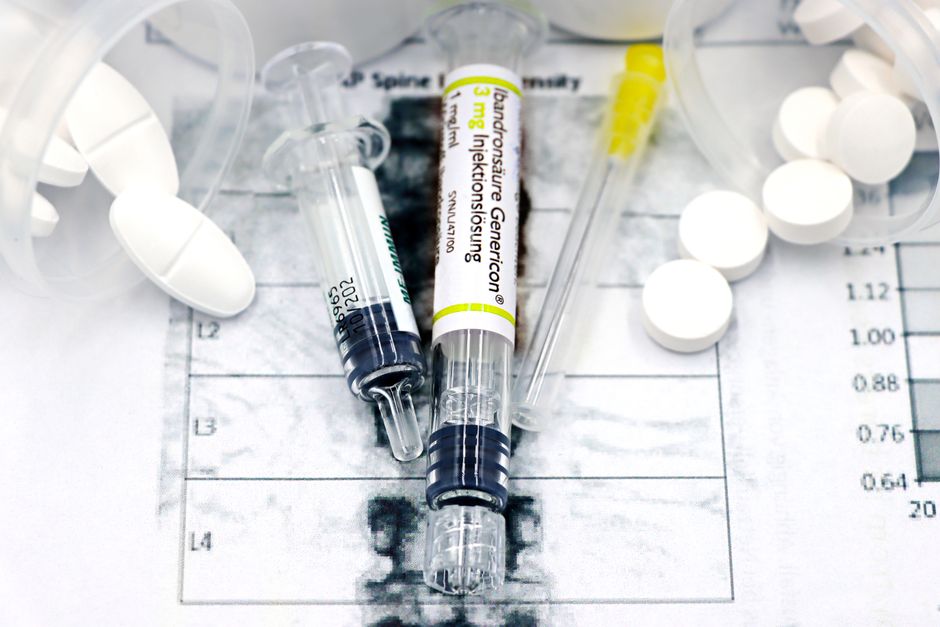
Yes, low calcium can cause seizures. This is a well-documented medical fact. When calcium levels in your blood drop too low, your nervous system becomes overly excited. This abnormal nerve activity can trigger a seizure, even in someone who has never had one before. The medical term for this condition is hypocalcemia, and its neurological effects are serious and treatable.
What Is Low Calcium and Why Does It Matter?
Calcium does far more than build strong bones. It is a critical electrolyte that helps nerves send messages and muscles contract. Your body works hard to keep blood calcium within a very narrow range. The normal total calcium level in adults is between 8.5 and 10.5 mg/dL.
When that level falls below 8.5 mg/dL, you have hypocalcemia. The lower it goes, the more severe the symptoms become. A level below 7.0 mg/dL is considered a medical emergency and requires immediate treatment.
Your parathyroid glands control calcium balance. They release a hormone that raises calcium when levels drop. Vitamin D and magnesium also play essential roles in keeping calcium where it belongs. If any part of this system fails, calcium levels can fall dangerously low.
Can Low Calcium Cause Seizures?
Yes. Low calcium can cause seizures, and this is one of the most serious complications of hypocalcemia. The reason is neurological. Calcium ions help regulate the electrical activity of nerve cells. They act as a gatekeeper, controlling how easily nerves fire.
When calcium levels are normal, nerve cells require a strong stimulus to activate. When calcium levels are low, that gate opens more easily. Nerves fire spontaneously and without proper control. This uncontrolled electrical activity is exactly what a seizure is.
The seizures caused by low calcium are typically generalized tonic-clonic seizures. These are the dramatic seizures that involve loss of consciousness and full-body convulsions. Some people experience focal seizures instead, which affect only one part of the body.
What makes this particularly important is that these seizures can happen to anyone. You do not need to have epilepsy to experience a seizure from low calcium. The electrolyte imbalance alone is enough to trigger one.
Other Symptoms of Low Calcium
Seizures are the most dramatic symptom, but they rarely appear first. Most people experience warning signs before calcium levels become dangerously low. Recognizing these symptoms early can prevent a medical emergency.
- Muscle cramps and spasms — often in the legs or back
- Tingling or numbness — especially in the fingers, toes, or around the mouth
- Muscle twitching — small, involuntary movements
- Fatigue and weakness — feeling unusually tired
- Confusion or memory problems — difficulty thinking clearly
- Irritability and mood changes — anxiety or depression
- Dry skin and brittle nails — changes that develop over time
There is a specific sign doctors look for called Chvostek’s sign. Tapping the facial nerve just in front of the ear causes the cheek to twitch. Another is Trousseau’s sign, where a blood pressure cuff on the arm triggers a hand spasm. Both indicate nerve hyperexcitability from low calcium.
Severe hypocalcemia can also cause cardiac arrhythmias. The heart is a muscle, and it depends on calcium for proper contraction. An irregular heartbeat can be life-threatening and requires immediate medical care.





What Causes Low Calcium Levels?
Several conditions can cause hypocalcemia. The most common cause is kidney disease. Damaged kidneys cannot activate vitamin D, which the body needs to absorb calcium from food. This is why people with chronic kidney disease often develop bone and mineral disorders.
Hypoparathyroidism is another major cause. This condition occurs when the parathyroid glands do not produce enough hormone. It can be inherited, or it can develop after neck surgery. Thyroid surgery is a common trigger because the parathyroid glands sit right behind the thyroid.
Vitamin D deficiency is a frequent contributor. Without enough vitamin D, your body cannot absorb calcium efficiently from your intestines. Even if you consume plenty of calcium, it will pass through your body unused.
Magnesium deficiency also causes low calcium. Magnesium is required for parathyroid hormone to work properly. Low magnesium makes the parathyroid glands sluggish and unresponsive.
Other causes include pancreatitis, certain medications like diuretics or bisphosphonates, and massive blood transfusions. Severe burns and sepsis can also drive calcium levels down rapidly.
How Is Low Calcium Treated?
Treatment depends on how low your calcium level is and how severe your symptoms are. For a seizure caused by low calcium, emergency treatment is required. This is not something to manage at home.
In the emergency room, calcium is given intravenously. Calcium gluconate or calcium chloride is administered directly into the bloodstream. This raises calcium levels quickly and stops the seizure activity. The response is often dramatic, with symptoms resolving within minutes.
After the immediate crisis is managed, the underlying cause must be addressed. This is critical. If the root cause is not treated, the low calcium will return.
For chronic hypocalcemia, treatment typically involves oral calcium supplements. Calcium carbonate and calcium citrate are the most common forms. Vitamin D supplements are almost always prescribed alongside calcium, because the body needs vitamin D to absorb calcium.
If magnesium deficiency is present, magnesium supplementation is essential. The parathyroid glands will not respond to low calcium until magnesium levels are restored.
For people with hypoparathyroidism, treatment is lifelong. They need consistent calcium and vitamin D supplementation to maintain safe blood levels. Regular blood tests are necessary to adjust dosing.
Can You Prevent Seizures From Low Calcium?
Prevention focuses on maintaining normal calcium levels. For most healthy adults, a diet rich in calcium is sufficient. Dairy products, leafy green vegetables, fortified foods, and canned fish with bones are excellent sources.
The recommended dietary allowance for calcium is 1,000 mg per day for most adults. Women over 50 and men over 70 need 1,200 mg per day. Most people can meet this through diet alone.
Vitamin D is equally important. Your skin produces vitamin D when exposed to sunlight, but many people do not get enough. Food sources include fatty fish, egg yolks, and fortified dairy products. Some people need supplements, especially during winter months or if they live in northern latitudes.
If you have a condition that puts you at risk for low calcium, regular monitoring is essential. Kidney disease, thyroid surgery, and parathyroid disorders all require routine blood tests. Your doctor can catch declining calcium levels before they become dangerous.
Do not ignore early symptoms. Muscle cramps, tingling, and fatigue may seem minor, but they can signal a serious electrolyte imbalance. If these symptoms appear suddenly or worsen quickly, seek medical attention.
When to Seek Emergency Care
A seizure is always a medical emergency. Call 911 or go to an emergency room immediately. Do not wait to see if it passes or try to manage it at home.
Other symptoms that require urgent care include severe muscle spasms, difficulty breathing, chest pain, or an irregular heartbeat. These can indicate that low calcium is affecting your heart or respiratory muscles.
Confusion, hallucinations, or sudden behavioral changes are also warning signs. These indicate that the low calcium is affecting your brain function significantly.
If you have a known condition that causes hypocalcemia and you develop any of these symptoms, do not wait. Prompt treatment can prevent permanent neurological damage or cardiac arrest.
Frequently Asked Questions
Can low calcium cause seizures in adults?
Yes. Low calcium causes nerve cells to fire abnormally, which can trigger seizures in anyone, even without a history of epilepsy. This is a medical emergency that requires immediate treatment.
What does a low calcium seizure look like?
It typically looks like a generalized tonic-clonic seizure with loss of consciousness and full-body convulsions. Some people experience focal seizures limited to one body part instead.
How quickly does calcium treatment stop a seizure?
Intravenous calcium usually stops seizure activity within minutes. The response is typically rapid and dramatic once calcium is administered in an emergency setting.
Can low calcium be corrected without supplements?
Mild cases can sometimes be corrected through diet and vitamin D, but moderate to severe hypocalcemia requires supplements. Seizures always require emergency intravenous calcium treatment.
