
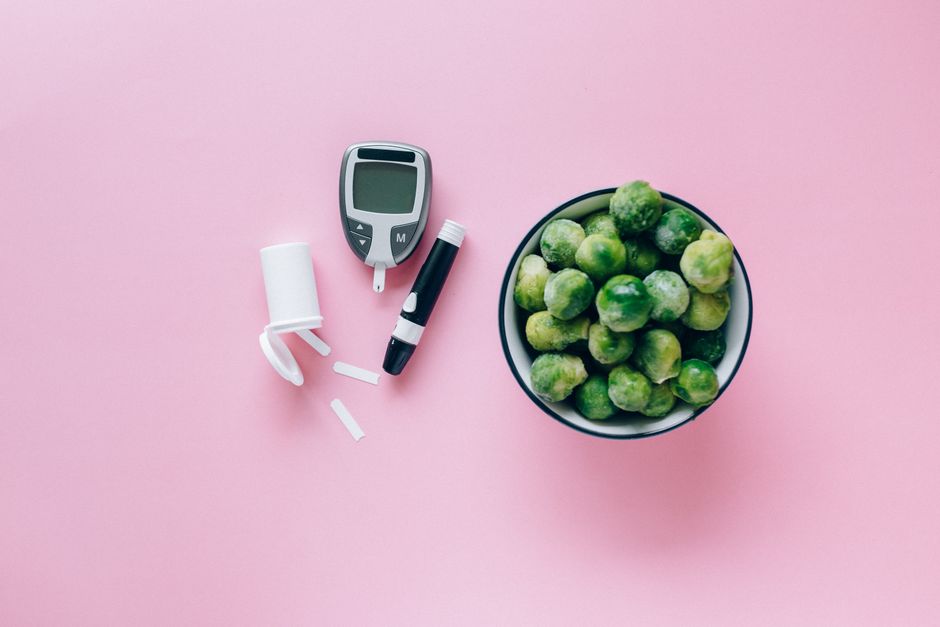
Low blood sugar does not cause lasting weight loss on its own. While a sudden drop in blood sugar can lead to a temporary loss of water weight, it is not a safe or effective way to lose body fat. The confusion often comes from how your body reacts to low blood sugar, which can mimic some early signs of weight loss but does not lead to real, lasting results. If you are trying to lose weight, relying on low blood sugar is not just ineffective — it can be dangerous.
What Happens to Your Body During Low Blood Sugar?
Low blood sugar, or hypoglycemia, happens when your glucose levels fall below normal. For most people, this means under 70 mg/dL. Your body needs glucose for energy. Your brain depends on it almost completely.
When blood sugar drops, your body releases hormones like adrenaline and cortisol. These hormones tell your liver to release stored glucose. This is your body’s emergency backup system. It works quickly to bring your blood sugar back up.
Common symptoms include shakiness, sweating, confusion, and hunger. You may feel weak or dizzy. Some people report feeling suddenly very hungry. This is your body’s way of saying it needs fuel right now.
None of these responses burn fat. They are survival mechanisms. Your body is not trying to lose weight. It is trying to stay alive.
Can Low Blood Sugar Cause Weight Loss Directly?
Research shows that low blood sugar itself does not cause fat loss. The idea that it does comes from a misunderstanding of how your body uses energy.
When your blood sugar drops, your body does turn to stored energy. But that energy comes first from glycogen in your liver and muscles, not from fat. Glycogen holds water. When you use it up, you lose water weight. This is temporary. As soon as you eat carbohydrates again, your body restores its glycogen stores and the water weight comes back.
Some people report weight loss after episodes of low blood sugar. This is usually because they felt so sick that they ate less for a day or two. It is not the low blood sugar that caused the loss. It was the reduced calorie intake.
There is no clinical evidence that intentionally lowering your blood sugar leads to fat loss. As of 2026, current research suggests that stable blood sugar levels are better for long-term weight management than repeated drops and spikes.
How Blood Sugar Affects Your Weight Over Time
Chronic low blood sugar can make weight management harder, not easier. When your blood sugar drops frequently, your body releases more cortisol. Cortisol is a stress hormone. High cortisol levels are linked to increased belly fat storage.
| Blood Sugar Pattern | Effect on Weight | Why |
|---|---|---|
| Stable, normal range | Supports healthy weight management | Less hunger, steady energy, lower stress hormones |
| Frequent drops | Can lead to weight gain over time | Increased hunger, overeating, higher cortisol |
| Intentional low blood sugar | No fat loss, water weight only | Body fights to restore glucose, no fat burning |
Some studies suggest that people with reactive hypoglycemia — blood sugar drops after meals — tend to eat more calories later in the day. This is your body trying to correct the imbalance. It often leads to overeating, especially of simple carbohydrates.
This pattern can cause weight gain over months and years. The temporary water loss from a single episode is not worth the long-term consequences.





What Actually Causes Weight Loss in People with Low Blood Sugar?
If someone with diabetes or another condition loses weight while having low blood sugar, the weight loss is usually from something else. It might be from medication changes, reduced appetite, or the disease itself.
Unintentional weight loss in someone with diabetes can be a sign that their medication dose is too high. It can also mean their blood sugar has been running very high for a long time. When blood sugar is extremely high, the body cannot use glucose properly. It starts breaking down fat and muscle for energy. This causes weight loss, but it is not healthy. It is a sign of poor diabetes control.
Some people report weight loss when they start a low-carbohydrate diet. They may have fewer episodes of low blood sugar if they are not on diabetes medication. But the weight loss comes from the diet change, not from low blood sugar. The diet reduces calories and changes how your body uses fuel.
If you are losing weight without trying and also have symptoms of low blood sugar, see a doctor. This combination can signal a medical problem that needs attention.
Is There a Safe Way to Use Blood Sugar for Weight Loss?
There is no safe way to use low blood sugar for weight loss. Some diets claim to work by keeping blood sugar low. These diets usually involve severe carbohydrate restriction. They can cause weight loss, but the mechanism is not low blood sugar. It is calorie restriction and changes in how your body stores energy.
What works is keeping your blood sugar stable. This helps control hunger and gives you steady energy. You are less likely to overeat when your blood sugar is not crashing.
- Eat regular meals with protein, fiber, and healthy fats
- Avoid large amounts of sugar and refined carbs at once
- Do not skip meals, especially if you are active
- If you have diabetes, work with your doctor to adjust medication
- Monitor your blood sugar if you have symptoms of hypoglycemia
These strategies support weight loss without the danger of low blood sugar. They are backed by decades of research on metabolism and weight management.
The idea that low blood sugar causes weight loss is a misunderstanding. It is not backed by evidence. Trying to achieve low blood sugar for weight loss is risky and does not work as intended.
What to Do If You Experience Low Blood Sugar While Trying to Lose Weight
If you are trying to lose weight and have symptoms of low blood sugar, stop what you are doing. Eat something with fast-acting carbohydrates. Fruit juice, regular soda, or glucose tablets work. Then eat a small meal with protein and fat to keep your blood sugar stable.
Do not ignore the symptoms. Severe low blood sugar can cause seizures, loss of consciousness, and even death. It is not something to push through for weight loss.
After your blood sugar is stable, think about what caused the drop. Did you skip a meal? Did you exercise more than usual? Did you eat a large amount of sugar without enough protein or fat? Understanding the cause helps you prevent it next time.
If this happens often, talk to your doctor. You may need to adjust your diet or medication. Some people have reactive hypoglycemia and need to eat smaller, more frequent meals. Others may have an underlying condition that needs treatment.
Weight loss should never come at the cost of your safety. If a diet or plan is causing low blood sugar symptoms, it is not the right plan for you.
Frequently Asked Questions About low blood sugar cause weight loss
Does low blood sugar burn fat?
No. Low blood sugar does not directly burn fat. Your body uses glycogen first, which leads to water loss, not fat loss.
Can low blood sugar make you lose weight without trying?
Unintentional weight loss with low blood sugar can signal a medical problem like diabetes medication being too high. See a doctor if this happens.
Is it safe to keep blood sugar low to lose weight?
No. Intentionally keeping blood sugar low is dangerous. It can cause confusion, seizures, and loss of consciousness.
Why do some people lose weight on low-carb diets if low blood sugar does not cause weight loss?
Low-carb diets cause weight loss through calorie restriction and changes in how your body uses energy, not through low blood sugar.
