
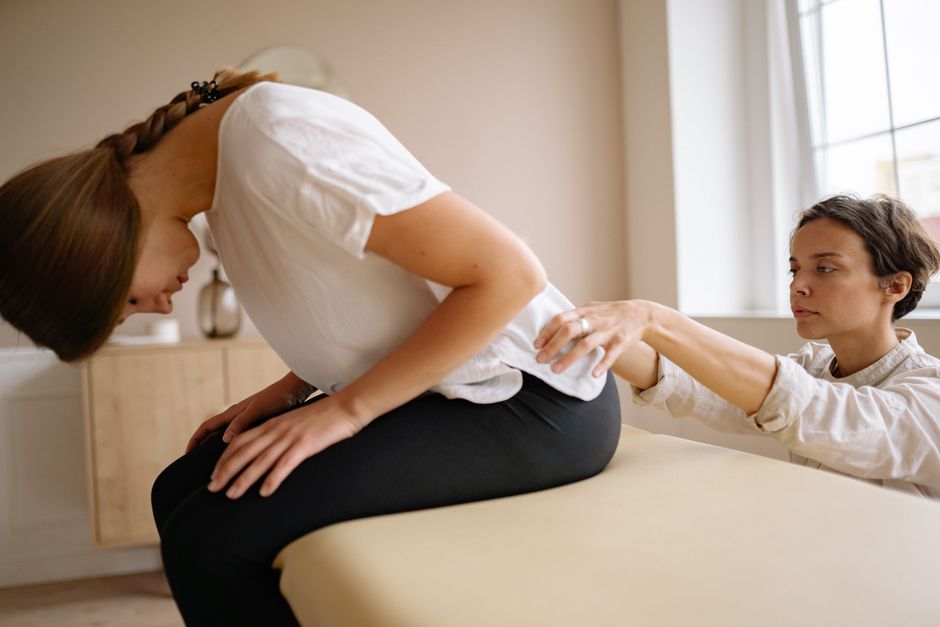
Back pain during pregnancy is one of the most common complaints expectant mothers report, affecting more than half of all pregnancies. The short answer to what helps is a combination of regular movement, proper posture, and targeted relief methods like heat therapy and prenatal chiropractic care. Most pregnant women can find meaningful relief without medication, though severe cases may require professional treatment.
Why Does Pregnancy Cause Back Pain?
Your body changes dramatically during pregnancy, and your back bears much of the burden. The most significant factor is weight gain. As your baby grows, your center of gravity shifts forward. To compensate, you naturally arch your back more, which strains the muscles in your lower spine.
Hormones also play a major role. Your body produces a hormone called relaxin during pregnancy. Relaxin loosens the ligaments in your pelvis to prepare for childbirth. Unfortunately, these ligaments also support your spine. When they loosen, your spinal joints become less stable, and your back muscles must work harder to keep you upright.
This combination of shifting weight and loosening ligaments places extra stress on the muscles and joints of your lower back. The result is often a dull ache that worsens with standing, sitting, or lifting.
What Helps with Back Pain While Pregnant: Daily Habits That Make a Difference
Simple daily habits can reduce how much pain you feel. The key is consistency — doing these things every day, not just when pain flares up.
Watch your posture. When standing, keep your shoulders back and your weight evenly distributed on both feet. Avoid standing for long stretches. When you must stand, place one foot on a low stool to take pressure off your lower back.
Sit with support. Choose chairs with good lumbar support. Place a small pillow or rolled towel behind your lower back. Keep your feet flat on the floor rather than crossing your legs. If you work at a desk, get up and walk for a few minutes every hour.
Sleep on your side. Sleeping on your back during pregnancy increases pressure on your spine. Side sleeping, particularly on your left side, improves blood flow to your baby and reduces strain on your back. Place a pillow between your knees and another under your belly for extra support.
Lift properly. Bend at your knees, not at your waist, when picking things up. Hold objects close to your body. Avoid lifting anything heavy whenever possible — ask for help.
Safe Exercises That Strengthen Your Back
Exercise is one of the most effective ways to manage pregnancy back pain. Strong core and back muscles support your spine better as your baby grows. Most pregnant women benefit from low-impact activities approved by their healthcare provider.
Walking is the simplest safe exercise. It keeps your back muscles active without jarring your joints. Aim for short, regular walks rather than occasional long ones.
Prenatal yoga focuses on gentle stretching and strengthening. Many poses target the lower back and hips. Look for classes specifically designed for pregnant women, and avoid poses that require lying flat on your back after the first trimester.
Pelvic tilts are a targeted exercise that strengthens your abdominal muscles and relieves lower back pressure. Get on your hands and knees with your back flat. Gently tuck your pelvis under, hold for a few seconds, then release. Repeat several times daily.
Swimming is particularly beneficial because the water supports your growing belly. The buoyancy takes weight off your spine while allowing you to move freely. Many women report swimming is the most comfortable exercise during late pregnancy.
Always check with your doctor before starting any exercise program during pregnancy. If an exercise causes sharp pain, stop immediately.





Heat Therapy and Other Quick Relief Methods
When pain strikes, several methods can provide fast relief. These are safe for most pregnant women but always confirm with your healthcare provider first.
Heat therapy relaxes tense muscles and improves blood flow. Apply a heating pad on a low setting to the painful area for 15 to 20 minutes at a time. Never sleep with a heating pad on. Warm baths can also help, though avoid water hot enough to raise your core temperature significantly.
Cold therapy works better for sharp pain or inflammation. Wrap an ice pack in a towel and apply it for 15 minutes. Alternate heat and cold if both seem to help.
Gentle massage can ease muscle tension. A qualified prenatal massage therapist knows safe techniques and positions for pregnant women. If you prefer self-massage, use gentle pressure on the lower back muscles with your thumbs or knuckles.
Support belts or maternity support bands wrap around your lower abdomen and back. They lift some of your baby’s weight off your spine. Many women find these helpful during the second and third trimesters, especially when standing or walking for extended periods.
When to See a Professional for Pregnancy Back Pain
Some back pain during pregnancy requires professional care. If your pain is severe, lasts more than two weeks despite home treatment, or interferes with daily activities, talk to your doctor.
Physical therapy is one of the most effective treatments for pregnancy back pain. A physical therapist can evaluate your specific muscle weaknesses and design exercises tailored to your needs. Research consistently shows physical therapy reduces pregnancy back pain more effectively than rest alone.
Chiropractic care is another option many pregnant women use. Some chiropractors specialize in prenatal care and use techniques adapted for pregnancy. The evidence for chiropractic treatment during pregnancy is limited, but some studies suggest it may help with pain relief. Choose a chiropractor experienced with pregnant patients.
Acupuncture has shown promise in some studies for pregnancy-related back pain. Some research suggests it may provide meaningful relief, though results vary. If you try acupuncture, ensure the practitioner has experience treating pregnant women.
Medication options during pregnancy are limited. Acetaminophen is generally considered safe for short-term use, but you should always ask your doctor before taking any medication while pregnant. Nonsteroidal anti-inflammatory drugs like ibuprofen are typically not recommended during pregnancy, especially in the third trimester.
Warning Signs: When Back Pain Means Something More
Most back pain during pregnancy is musculoskeletal — meaning it comes from muscles, ligaments, and joints. But sometimes back pain signals a more serious problem.
Contact your healthcare provider immediately if you experience back pain along with any of these symptoms:
- Vaginal bleeding or fluid leakage
- Fever
- Pain or burning during urination
- Numbness or weakness in your legs
- Pain that comes in waves or feels like contractions
- Sudden, severe pain that does not improve
These symptoms can indicate a urinary tract infection, preterm labor, or other conditions requiring prompt medical attention. Do not wait to see if they pass.
Back pain in early pregnancy can also be a sign of an ectopic pregnancy, though this is rare. If you have sharp pain on one side during your first trimester, especially with dizziness or shoulder pain, seek emergency care.
What Does Not Work for Pregnancy Back Pain
Some common approaches to back pain are not safe or effective during pregnancy. Knowing what to avoid is as important as knowing what helps.
Prolonged bed rest is not recommended. It weakens muscles and can make pain worse. Unless your doctor specifically prescribes bed rest for another pregnancy complication, staying active is better for your back.
Over-the-counter pain patches containing NSAIDs like diclofenac should be avoided unless your doctor approves them. Medication absorbed through the skin still reaches your bloodstream.
Spinal manipulation by an untrained provider is risky. Only see licensed professionals with prenatal experience.
Supplements marketed for joint or back pain are generally not studied in pregnancy. Most have no safety data for pregnant women. No clinical evidence currently confirms these products help pregnancy back pain, and some ingredients may be harmful to your baby.
Realistic Expectations for Recovery
Pregnancy back pain often improves after delivery, but not always immediately. Many women notice relief within weeks of giving birth as hormone levels return to normal and ligaments tighten. Others find that pregnancy weakened their core muscles, and back pain persists until they rebuild strength through postpartum exercise.
For most women, the goal is management rather than complete elimination of pain during pregnancy. You may not reach zero pain, but you can often reduce it to a manageable level. That is a realistic and worthwhile outcome.
Every pregnancy is different. What works for one woman may not work for another. Be patient with your body and willing to try different approaches. Communicate openly with your healthcare provider about what you are experiencing and what you have tried.
Your back pain is real, and you deserve relief. With the right combination of movement, posture changes, and professional support, most women find significant improvement before their baby arrives.
Frequently Asked Questions
Is it safe to use a heating pad for back pain while pregnant?
Yes, a heating pad on a low setting for 15 to 20 minutes is generally safe during pregnancy. Do not sleep with the heating pad on, and avoid high heat that raises your core body temperature.
Can I take pain medication for back pain during pregnancy?
Acetaminophen is generally considered safe for short-term use, but always ask your doctor first. Ibuprofen and other NSAIDs are usually not recommended, especially during the third trimester.
When does pregnancy back pain usually start?
Back pain can begin as early as the first trimester but most commonly appears in the second and third trimesters. This is when weight gain accelerates and your center of gravity shifts most noticeably.
Will pregnancy back pain go away after delivery?
Many women feel significant relief within weeks after giving birth as hormone levels normalize. Some women experience persistent back pain after delivery, often because pregnancy weakened their core muscles, and need postpartum exercise to rebuild strength.
