

Yes, IBS can cause indigestion, and the two conditions share many of the same triggers. Irritable bowel syndrome (IBS) is a disorder of the gut-brain interaction that affects the large intestine, while indigestion (dyspepsia) is a set of symptoms that originate in the upper digestive tract. They are separate diagnoses, but they overlap so often that many people experience both at the same time. Understanding how they connect helps explain why certain foods and stress levels seem to set off both conditions at once.
What Is the Difference Between IBS and Indigestion?
IBS and indigestion are not the same condition, but they frequently occur together. IBS is defined by changes in bowel habits — diarrhea, constipation, or both — along with abdominal pain. Indigestion, also called dyspepsia, involves discomfort in the upper belly, bloating, feeling full too quickly, and nausea.
The key difference is location. IBS symptoms center on the lower gut. Indigestion symptoms center on the upper gut, near the stomach. Many people with IBS also meet the criteria for functional dyspepsia, which is the medical term for chronic indigestion without an identifiable cause.
Research suggests that up to a third of people with IBS also have functional dyspepsia. Some studies report even higher overlap. The two conditions share similar underlying mechanisms, which explains why they so often appear together.
Can IBS Cause Indigestion Signs And Shared Triggers?
Yes. IBS and indigestion share the same underlying problem: a hypersensitive digestive tract. In both conditions, the nerves in the gut react too strongly to normal stimuli. Food, gas, and even the normal movement of digestion can trigger pain or discomfort that most people would not notice.
This shared sensitivity means the same triggers often set off both conditions. Certain foods, stress, and even the act of eating can provoke symptoms in both the upper and lower gut at the same time. That is why someone can eat a trigger meal and feel both upper belly fullness and lower abdominal cramping within the same hour.
It is not that IBS directly causes indigestion. It is that the same underlying gut sensitivity drives both. Treating one often helps the other because the root cause is shared.
What Are the Shared Triggers for IBS and Indigestion?
The most common shared triggers involve food and stress. Both conditions respond to what you eat, how you eat, and how stressed you are.
- Fatty foods — slow stomach emptying and can trigger both upper belly fullness and lower gut cramping.
- Spicy foods — irritate the stomach lining and can stimulate the lower gut.
- Caffeine — increases gut motility and stomach acid production.
- Carbonated drinks — add gas to the digestive tract, which distends both the stomach and the intestines.
- Stress and anxiety — directly affect gut motility and sensitivity through the gut-brain axis.
- Eating too quickly — leads to swallowing air and overfilling the stomach.
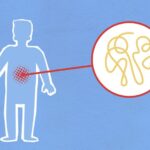
FODMAPs are another shared trigger. These are short-chain carbohydrates that ferment in the gut and produce gas. The low-FODMAP diet is best known for treating IBS, but some research shows it also helps people with functional dyspepsia. The gas produced by FODMAP fermentation can distend both the small intestine and the colon, triggering symptoms in both regions.




How Do the Symptoms Overlap?
Some symptoms are clearly from one condition or the other. Diarrhea and constipation are IBS symptoms. Feeling full after a few bites is indigestion. But bloating, nausea, and abdominal pain belong to both.
Bloating is the most confusing overlap. People with IBS often report bloating in the lower belly. People with indigestion report bloating in the upper belly. When both conditions are present, the bloating can feel like it spans the entire abdomen.
Nausea is similar. It is a common indigestion symptom, but many people with IBS also experience nausea, especially after eating trigger foods. The nausea may come from the stomach or from the gut-brain signaling that accompanies an IBS flare.
Abdominal pain is the hardest symptom to assign to one condition. The location matters. Pain high in the abdomen, near the ribs, points more toward indigestion. Pain low in the abdomen, near the pelvis, points more toward IBS. But many people cannot pinpoint the location precisely, especially when both conditions are active.
What Causes the Connection Between IBS and Indigestion?
The connection comes down to how the digestive system and the brain communicate. Both IBS and functional dyspepsia are classified as disorders of gut-brain interaction. This means the problem is not structural damage to the gut. The problem is abnormal signaling between the gut and the brain.
In a healthy digestive tract, the nerves in the gut send signals to the brain that are mostly below conscious awareness. In IBS and indigestion, these signals are amplified. Normal amounts of gas or movement are perceived as pain or discomfort. This is called visceral hypersensitivity.
Gut motility is also affected. In IBS, the muscles of the colon contract too strongly or too weakly. In indigestion, the stomach empties more slowly than normal. Both problems stem from the same disrupted nerve signaling.
Inflammation may also play a role. Low-grade inflammation in the gut lining has been found in some people with IBS. Similar findings appear in some people with functional dyspepsia. This inflammation may sensitize the nerves, making the gut more reactive overall.
How Are IBS and Indigestion Diagnosed?
Doctors diagnose both conditions by symptoms and by ruling out other causes. There is no single test for either condition. The Rome criteria, which are the standard diagnostic guidelines for functional gut disorders, are used to identify both IBS and functional dyspepsia.
For IBS, the key symptoms are abdominal pain at least once a week for three months, associated with changes in stool frequency or form. For functional dyspepsia, the key symptoms are postprandial fullness, early satiety, or epigastric pain, also for at least three months.
Doctors typically run basic tests first to rule out other conditions. These may include blood tests, stool tests, and possibly an endoscopy if there are warning signs. Warning signs include unintentional weight loss, blood in the stool, difficulty swallowing, or symptoms that begin after age 50.
What Treatment Options Address Both Conditions?
Because IBS and indigestion share mechanisms, some treatments help both. The approach usually starts with diet and lifestyle changes before moving to medication.
The low-FODMAP diet is the most evidence-based dietary approach for IBS. Some research suggests it also reduces symptoms of functional dyspepsia. The diet involves eliminating high-FODMAP foods for several weeks, then reintroducing them one at a time to identify triggers.
Eating habits matter as much as food choices. Smaller meals, eating slowly, and not lying down after eating can reduce indigestion symptoms. These habits also help IBS by preventing overdistension of the gut.
Stress management is a core part of treatment for both conditions. Cognitive behavioral therapy and gut-directed hypnotherapy have both been shown to reduce symptoms in IBS. Some research indicates they help functional dyspepsia as well. The gut-brain connection means that calming the brain often calms the gut.
Medications are available for both conditions, but they target different symptoms. Antispasmodics relax the gut muscles and can help with cramping. Proton pump inhibitors reduce stomach acid and help with indigestion. Low-dose antidepressants are sometimes used for both conditions because they reduce nerve signaling in the gut.
No single medication treats both conditions completely. Most people need a combination of approaches tailored to their dominant symptoms.
When Should You See a Doctor?
Occasional indigestion or IBS symptoms are common and not always a reason for concern. But persistent symptoms that interfere with daily life deserve medical attention.
See a doctor if symptoms last more than a few weeks, if they are getting worse, or if they do not respond to basic dietary changes. Also see a doctor if you have any warning signs, including unintentional weight loss, blood in the stool, vomiting, difficulty swallowing, or severe abdominal pain that comes on suddenly.
These symptoms can indicate a more serious condition that needs proper evaluation. Do not assume that all digestive symptoms are just IBS or indigestion. A doctor can rule out other causes and help you build a treatment plan that addresses both conditions together.
Frequently Asked Questions
Can IBS cause nausea and indigestion?
Yes, IBS can cause nausea, and it commonly overlaps with indigestion. The same gut-brain signaling problems that drive IBS can also affect the upper digestive tract.
What foods trigger both IBS and indigestion?
Fatty foods, spicy foods, caffeine, carbonated drinks, and high-FODMAP foods commonly trigger both conditions. These foods increase gas, slow digestion, or irritate the gut lining.
Is IBS and indigestion the same thing?
No, they are separate conditions. IBS affects the lower gut with changes in bowel habits, while indigestion affects the upper gut with fullness and discomfort, but they frequently occur together.
Can stress cause both IBS and indigestion flares?
Yes, stress is a major trigger for both conditions. The brain and gut are directly connected, and stress amplifies pain signals and disrupts normal digestion.
