

Irritable bowel syndrome (IBS) does not directly cause vitamin B12 deficiency. The reason lies in how the body absorbs B12 and where IBS affects the digestive system. B12 is absorbed in the last part of the small intestine (the ileum), and IBS is a functional disorder that does not damage or inflame that tissue. However, certain treatments for IBS and some overlapping conditions can raise your risk of low B12. Understanding this difference helps you know when testing or supplementation may actually be needed.
Can IBS Directly Cause Vitamin B12 Deficiency?
No. IBS changes how the bowel moves and how sensitive it is, but it does not destroy the cells needed to absorb B12. The small intestine in IBS looks normal under a microscope. Biopsies show no inflammation or atrophy. Without physical damage to the ileum, the B12-intrinsic factor complex can still attach to receptors and enter the bloodstream.
Many people with IBS worry about nutrient deficiencies because of digestive symptoms. But the evidence does not link IBS itself to low B12. A 2020 review in the journal Nutrients found no consistent association between IBS and B12 deficiency. The authors noted that when B12 levels are low in an IBS patient, another cause should be ruled out first.
Why B12 Absorption Gets Disrupted in Other Gut Conditions
Vitamin B12 deficiency is common in conditions that damage the stomach or ileum. Pernicious anemia destroys the stomach cells that make intrinsic factor. Crohn’s disease inflames the ileum. Celiac disease flattens the villi where absorption happens. After gastric bypass surgery, both stomach acid and intrinsic factor may be reduced.
These conditions cause structural harm. IBS does not. This is the central distinction. A patient with IBS and normal stomach acid, normal intrinsic factor, and an intact ileum will absorb B12 normally from food and supplements.
Other factors like a strict vegan diet, long-term use of acid-reducing medications, or heavy alcohol use can also cause low B12. These causes can occur in people with IBS, but they are not caused by IBS itself.
Could IBS Treatments Affect Your B12 Levels?
Yes, some treatments used for IBS can reduce B12 absorption or increase B12 needs. This is an indirect effect, not a direct result of the condition itself.
Proton pump inhibitors (PPIs) like omeprazole are sometimes prescribed for IBS-related heartburn or indigestion. PPIs lower stomach acid, which is needed to free B12 from food proteins. Long-term PPI use (more than two years) has been linked to lower B12 levels in several studies. If you take a PPI regularly, your doctor may check B12.
Metformin is used for diabetes, which can coexist with IBS. Metformin interferes with calcium-dependent B12 absorption in the ileum. Up to 30% of long-term metformin users develop borderline or low B12, according to clinical guidelines.
Antibiotics such as rifaximin are used to treat IBS with diarrhea. While short courses do not typically cause deficiency, repeated antibiotic use can alter gut bacteria. Some gut bacteria produce B12, though the amount is small and likely not enough to prevent deficiency in humans. The clinical significance of this remains unclear.
Low-FODMAP diet is a common IBS treatment. This diet restricts certain fermentable carbohydrates but may also limit foods rich in B12, such as meat, eggs, and dairy. However, the restriction is usually temporary, and most people can maintain adequate B12 intake. If you follow a strict low-FODMAP diet for months without guidance, B12 status could decline.

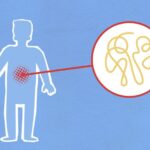



Symptoms of B12 Deficiency vs IBS Symptoms
B12 deficiency and IBS share some symptoms, which can cause confusion. Both can cause fatigue, brain fog, and bloating. But B12 deficiency also produces neurological symptoms that are not typical in IBS: numbness or tingling in hands and feet, balance problems, memory trouble, and a smooth red tongue.
IBS does not cause neurological changes. If you have IBS and develop tingling or unsteadiness, do not assume it is IBS. Check B12 levels. Similarly, if your fatigue does not improve with IBS treatment, consider other causes.
Severe B12 deficiency can cause pernicious anemia, leading to pallor, shortness of breath, and rapid heart rate. These are not IBS symptoms.
When Should You Get Tested for B12 Deficiency?
Routine B12 screening is not recommended for all IBS patients. The U.S. Preventive Services Task Force does not have a specific guideline for IBS. Testing is appropriate when you have risk factors beyond IBS itself.
Consider testing if you:
- Take a PPI or metformin long-term
- Follow a vegan or vegetarian diet
- Have had gastric surgery or bariatric surgery
- Are over 65, as B12 absorption declines with age
- Have symptoms of neuropathy or unexplained anemia
- Have been on a strict low-FODMAP diet for more than 6 months without professional guidance
Testing is a simple blood test. Serum B12 is the initial test. If it is borderline, your doctor may order methylmalonic acid (MMA) or homocysteine levels for confirmation.
What Does the Research Say?
Research on IBS and B12 deficiency is limited. Most studies do not find an increased prevalence of B12 deficiency in IBS populations compared to controls. A 2018 meta-analysis of micronutrient status in IBS found no significant difference in B12 levels between patients and healthy subjects. However, the quality of studies varies, and many did not control for medications or diet.
Some smaller studies have suggested that people with IBS-D (diarrhea-predominant) may have slightly lower B12 levels. The reason is not clear, but rapid transit time could theoretically reduce absorption. This finding is not consistent across studies. More research is needed before any firm conclusion can be drawn.
What is clear: if you have IBS and a low B12 level, look for the real cause. Do not assume IBS is responsible. Work with your doctor to identify the underlying reason.
Frequently Asked Questions
Can IBS cause low B12?
IBS itself does not cause low B12 because it does not damage the part of the small intestine where B12 is absorbed. However, some medications and diets used for IBS can lower B12 levels over time.
Should I take a B12 supplement if I have IBS?
Not unless a blood test confirms you are low. Unnecessary supplementation can mask other issues. If you are deficient, your doctor can recommend oral or injectable B12 based on the cause.
Can the low-FODMAP diet cause B12 deficiency?
It can if followed strictly for many months without including B12-rich foods like meat and eggs. The diet is usually temporary, and most people can maintain adequate B12 intake with proper planning.
Do IBS medications cause B12 deficiency?
Long-term use of PPIs and metformin can reduce B12 absorption. Antibiotics and antispasmodics do not have a known effect. Discuss your medication list with your doctor if you are concerned.
