
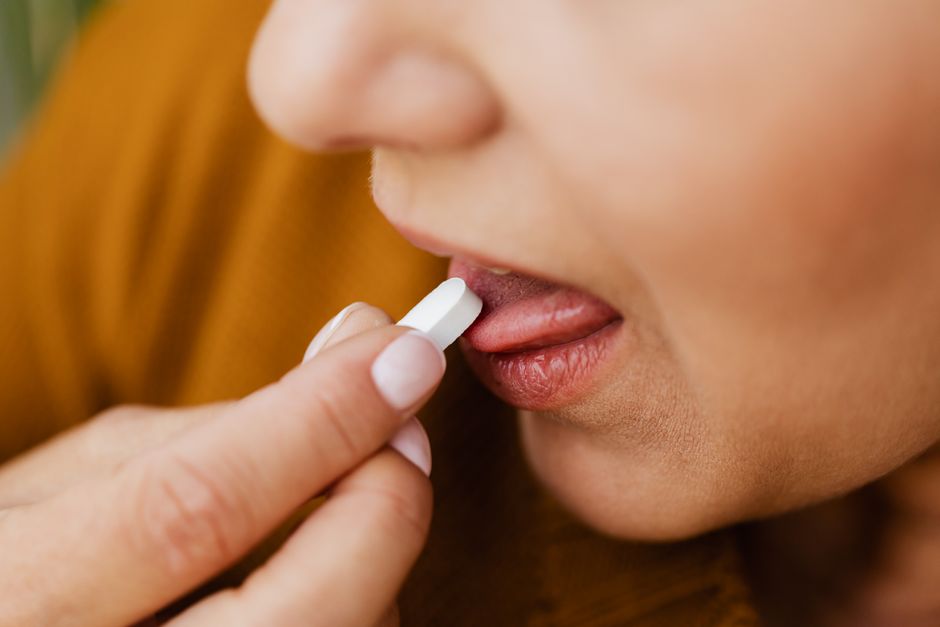
You can take berberine and iron together, but timing matters. Berberine can reduce how much iron your body absorbs. Taking them at different times of the day is the safest approach. This guide explains the science behind the interaction and gives you practical steps to take both supplements effectively.
How Does Berberine Affect Iron Absorption?
Berberine works in the digestive tract. It changes the environment in your gut. Research published in the Journal of Ethnopharmacology shows berberine can bind to minerals like iron. This binding makes it harder for your body to absorb iron from food or supplements.
The effect is not the same for everyone. Some studies suggest berberine may reduce iron absorption by up to 30 percent. That number comes from lab studies, not large human trials. The real-world effect likely varies based on your dose, when you eat, and your overall gut health.
Berberine also interacts with the gut lining. It may alter the cells that transport iron into your bloodstream. This is a separate mechanism from the binding effect. Both together mean you should not assume your iron supplement is working the same way when you add berberine.
Can I Take Berberine And Iron Together at the Same Time?
The short answer is no, you should not take them at the same time. Taking berberine and iron together reduces iron absorption. This defeats the purpose of taking an iron supplement in the first place.
Most evidence points to a 2 to 3 hour window. Take your iron supplement first. Wait at least two hours before taking berberine. Some experts suggest a 4 hour gap for maximum absorption. The exact timing depends on your specific supplements and your body.
Here is a practical schedule that works for most people:
- Take iron with vitamin C in the morning on an empty stomach
- Wait 2 to 3 hours
- Take berberine with your first meal of the day
- Take a second dose of berberine with dinner if you take it twice daily
This schedule avoids the absorption issue. It also takes advantage of vitamin C boosting iron absorption. The American Society of Hematology recommends vitamin C alongside iron for better uptake.
What Does Research on Berberine and Iron Interaction Show?
The research on berberine and iron interaction is not as strong as people think. Most of it comes from animal studies and lab experiments. Human studies are limited. That does not mean the interaction is fake. It means we do not have precise numbers for humans.
A 2019 study in BioMetals looked at berberine and iron in rats. The researchers found berberine reduced iron absorption significantly. They also noted berberine changed how iron moved through the body. This study is often cited, but rats are not humans.
Another study in Phytomedicine examined berberine in human intestinal cells. The results showed berberine blocked iron transport proteins. This is a more direct piece of evidence. It suggests the same thing happens inside a living person.
The bottom line is this: the mechanism is real. Berberine interferes with iron at multiple levels. Taking them together is not a good idea until human studies prove otherwise.




Who Should Be Especially Careful With Berberine and Iron?
Some people have a higher risk from this interaction. If you have iron deficiency anemia, you need to be careful. Your body is already struggling to get enough iron. Berberine making that worse is a real problem.
People with chronic conditions that affect iron levels should also pay attention. This includes anyone with:
- Inflammatory bowel disease like Crohn’s or ulcerative colitis
- Celiac disease
- Chronic kidney disease
- Heavy menstrual bleeding
- Frequent blood donation
Pregnant women should avoid berberine entirely. The NIH states berberine may be unsafe during pregnancy. It can cross the placenta and affect the baby. Iron needs are also higher during pregnancy. Combining the two risks is not worth it.
Anyone taking medication for diabetes or high blood pressure should talk to their doctor. Berberine affects blood sugar and blood pressure. Adding iron to the mix creates more variables. A doctor can help you manage all of them safely.
What Is the Best Way to Take Berberine for Maximum Absorption?
Berberine itself has poor absorption. Only about 5 percent of what you take actually enters your bloodstream. This is a known issue with berberine. Researchers have studied ways to improve it.
Taking berberine with food helps. A small meal with healthy fats can boost absorption. Some studies suggest berberine works better when taken with a meal that contains some fat. This is not a proven fact, but many users report better results.
Berberine has a short half-life. It leaves your body quickly. This is why most supplements recommend taking it two to three times per day. Spreading the doses out keeps a steady level in your system.
Some products combine berberine with other ingredients to improve absorption. Look for berberine phytosome or berberine with milk thistle. These formulations have some research behind them. A 2021 study in Nutrients found berberine phytosome had better absorption than standard berberine.
| Supplement Form | Typical Dose | Absorption Notes |
|---|---|---|
| Standard berberine | 500 mg 2-3 times daily | Poor absorption, take with food |
| Berberine phytosome | 500 mg 1-2 times daily | Better absorption, may need lower dose |
| Berberine with milk thistle | 500 mg 2 times daily | Some evidence for improved uptake |
Do not exceed 1500 mg of berberine per day. Higher doses do not work better. They increase the risk of side effects like stomach upset and diarrhea.
What Are the Side Effects of Taking Berberine and Iron Together?
The main side effect of taking them together is reduced iron levels over time. This is not an immediate side effect. It builds up slowly. You might not notice it until your iron stores are low.
Common side effects of berberine alone include digestive issues. Nausea, bloating, and loose stools are the most reported. These usually go away after a few days. Starting with a lower dose and working up can help.
Iron supplements have their own side effects. Constipation is the most common. Dark stools are normal and not a concern. Some people get stomach pain or nausea from iron. Taking iron with food can reduce this, but it also reduces absorption.
Combining both supplements increases the chance of digestive upset. Your gut has to process two strong substances. If you notice persistent stomach issues, adjust the timing or reduce one dose.
There is no evidence that taking berberine and iron together causes dangerous side effects. The risk is mainly about nutrient absorption, not toxicity. Still, anyone with a history of digestive problems should start slowly.
Common Misconceptions About Berberine and Iron
Some people believe berberine is a natural alternative to iron supplements. This is not true. Berberine does not contain iron. It does not increase iron levels. It only affects how your body handles the iron you consume.
Another myth is that vitamin C and berberine cancel each other out. Vitamin C helps iron absorption. Berberine hurts it. Taking all three together creates a tug of war. Vitamin C can help, but it does not fully overcome berberine’s effect. Timing separation is still the best approach.
Some claim berberine is safe to take with any supplement because it is natural. Natural does not mean harmless. Berberine is a potent compound. It interacts with medications and nutrients. Treat it with the same caution you would give any drug.
A final misconception is that you only need to worry about iron if you are anemic. Low iron levels can cause fatigue, brain fog, and poor immune function even before anemia develops. The CDC estimates that 10 percent of women in the US have iron deficiency. Many of them do not know it.
What to Avoid When Taking Berberine and Iron
Avoid taking berberine with other minerals at the same time. Zinc, calcium, and magnesium also compete for absorption. Berberine can interfere with all of them. Space them out by at least two hours.
Do not take berberine with grapefruit or grapefruit juice. Grapefruit affects how your liver processes berberine. It can raise berberine levels in your blood to unsafe amounts. This interaction is well documented for many medications. Berberine is no exception.
Avoid alcohol while taking berberine. Both substances stress the liver. Alcohol also affects blood sugar, which berberine already regulates. Combining them can cause unpredictable effects.
Do not assume more is better. Taking extra iron to compensate for berberine’s effect is not smart. Too much iron is toxic. The NIH warns that iron overload can damage the liver and heart. Stick to the recommended dose on your iron supplement label.
Frequently Asked Questions
How long should I wait between taking berberine and iron?
Wait at least 2 to 3 hours between taking iron and berberine. A 4 hour gap is even better for maximum absorption.
Can I take berberine with food that contains iron?
It is best to avoid taking berberine with iron-rich foods. The same absorption issue applies to food sources of iron.
Does berberine cause iron deficiency over time?
Long term use of berberine may lower iron stores in some people. This is more likely if you already have low iron levels.
Can I take berberine and iron if I am pregnant?
No. Berberine is not recommended during pregnancy. It may harm the baby and interfere with iron needs.
