
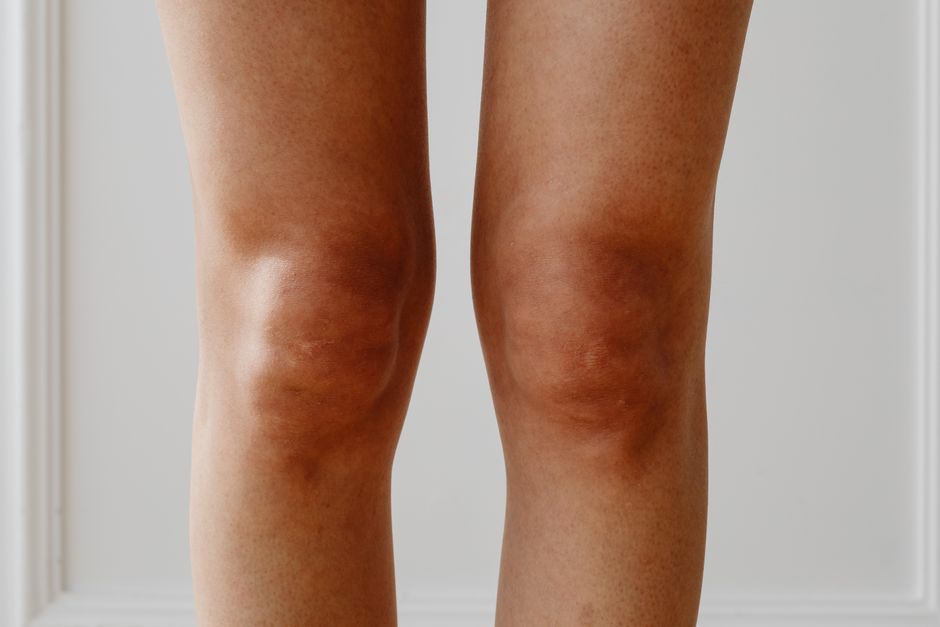
Yes, you can put a lidocaine patch on your knee. Lidocaine patches are designed for use on intact skin and are commonly used for localized joint pain, including knee pain from conditions like osteoarthritis. The key is to follow the specific dosing instructions on the package and never use more patches than directed in a 24-hour period.
How Do Lidocaine Patches Work on Knee Pain?
Lidocaine is a local anesthetic. It works by blocking sodium channels in the nerve endings right beneath the skin. When the nerve cannot transmit the signal, you do not feel the pain from that specific area.
The patch delivers the medication directly to the skin over your knee. This is called topical delivery. It means the drug stays mostly in the local tissue rather than spreading through your whole body. That is why it can be a useful option for people who want pain relief without taking a systemic pill.
It is important to understand that lidocaine patches treat the skin and the tissues just below it. They do not treat the underlying cause of your knee pain. If your pain comes from a torn meniscus, arthritis, or bursitis, the patch is managing the symptom, not fixing the structure.
What Strength of Lidocaine Patch Is Safe for the Knee?
There are two main types of lidocaine patches available in the US. The first is the over-the-counter (OTC) version, typically containing 4% lidocaine. The second is the prescription version, which contains 5% lidocaine.
The 4% patches are available at pharmacies without a prescription. The 5% patches require a prescription from a doctor. Both are applied directly to the skin.
For the OTC 4% patches, the general rule is to apply one patch to the affected area. You should not use more than one patch at a time unless the package specifically states otherwise. You should also not leave the patch on for longer than the time listed on the package, which is usually around 8 to 12 hours.
The prescription 5% patch has clear clinical guidelines. The standard recommendation is to apply one patch for 12 hours and then leave it off for 12 hours. You should never wear more than three patches at one time, even if you have pain in multiple areas.
How to Apply a Lidocaine Patch to Your Knee Correctly
Application matters more than most people think. The patch will not work if it is not in full contact with the skin.
Start with a clean, dry knee. Do not put lotion, oil, or cream on the skin first. These can create a barrier that prevents the lidocaine from absorbing.
Remove the patch from its protective liner and place it directly over the area of maximum pain. Press down firmly with the palm of your hand. Make sure the entire adhesive surface is touching the skin. The patch should stay in place during normal movement, but you can secure the edges with medical tape if it starts to peel.
Do not cut the patch to fit a smaller area unless the package instructions say cutting is allowed. Cutting a patch can release the medication unevenly and lead to an unsafe dose in one spot.
Do not apply heat to the patch. Heating pads, hot water bottles, or direct sunlight can increase the absorption of lidocaine. This can push too much of the drug into your system and increase the risk of side effects.





When Should You Not Use a Lidocaine Patch on Your Knee?
Lidocaine patches are only for intact skin. If you have a cut, scrape, rash, or open wound on your knee, do not apply the patch. The medication can absorb too quickly through broken skin and enter your bloodstream at unsafe levels.
You should also avoid using the patch if you have a known allergy to lidocaine or other local anesthetics of the amide type. Symptoms of an allergic reaction include hives, itching, swelling, and difficulty breathing. If you experience any of these, remove the patch immediately and seek medical attention.
People with certain heart conditions, particularly those affecting heart rhythm, should speak with a doctor before using lidocaine patches. Lidocaine can affect the electrical activity of the heart if enough of it enters the bloodstream.
If you are pregnant or breastfeeding, talk to your doctor before using a lidocaine patch. The evidence on systemic absorption during pregnancy is limited, and clinical guidance is to use the lowest effective dose for the shortest time possible.
What Are the Side Effects and Risks of Lidocaine Patches?
Most people tolerate lidocaine patches well. The most common side effects are skin reactions at the application site. This includes redness, mild burning, itching, or a rash. These reactions are usually mild and go away when you remove the patch.
Serious side effects are rare but possible. They happen when too much lidocaine enters the bloodstream. This is called systemic toxicity.
Signs of lidocaine toxicity include:
- Dizziness or lightheadedness
- Blurred vision or ringing in the ears
- Numbness or tingling in the lips or tongue
- Confusion or slurred speech
- Irregular heartbeat or seizures in severe cases
If you experience any of these symptoms, remove the patch and contact a healthcare provider immediately. These symptoms are more likely if you use too many patches, leave them on too long, or apply them to broken skin.
How Effective Are Lidocaine Patches for Knee Osteoarthritis?
The evidence for lidocaine patches in knee osteoarthritis is mixed. Some studies show meaningful pain relief, while others show only modest benefit compared to a placebo.
Research published in medical journals has examined the 5% lidocaine patch for knee osteoarthritis. Some trials found that patients reported significant pain reduction. Other trials found that the improvement was not much better than using an inactive patch.
The reason for this mixed evidence is not fully clear. One factor may be that osteoarthritis pain comes from deeper structures, including bone and cartilage, which lidocaine cannot reach. The patch only numbs the skin and superficial tissues. If your pain is primarily deep inside the joint, the patch may not help much.
Another factor is that the placebo effect is strong in pain studies. Many people feel better just from the act of applying a patch, regardless of whether it contains medication.
Despite the mixed evidence, lidocaine patches remain a reasonable option for some people. They have a good safety profile, and they are less risky than long-term use of oral pain medications. Many clinicians recommend trying them before moving to stronger treatments.
Can You Combine Lidocaine Patches with Other Pain Relievers?
Yes, lidocaine patches can be used alongside oral pain medications like acetaminophen or ibuprofen. Because the patch works locally and the pills work systemically, they do not interfere with each other.
However, you should be cautious about combining the patch with other topical numbing products. Do not use a lidocaine cream or spray on the same area at the same time. This can lead to an excessive total dose of lidocaine.
Talk to your doctor or pharmacist before combining any medications. This is especially important if you take prescription pain medications or blood thinners.
What Are the Alternatives to Lidocaine Patches for Knee Pain?
If lidocaine patches do not work for your knee pain, there are other options. Some of these are also topical, and some are systemic.
Other topical options include NSAID gels, such as diclofenac gel. These work by reducing inflammation in the joint, which is a different mechanism than numbing the nerve endings. Some research suggests that topical NSAIDs may be more effective than lidocaine patches for arthritis pain because they address inflammation directly.
Oral options include acetaminophen, ibuprofen, and naproxen. These can be effective but carry risks with long-term use, particularly for the stomach, kidneys, and liver.
Physical therapy and exercise are also important. Strengthening the muscles around the knee can reduce the load on the joint and decrease pain over time. This approach addresses the root cause rather than just the symptom.
For severe knee osteoarthritis that does not respond to conservative treatments, injections of corticosteroids or hyaluronic acid are options. In advanced cases, knee replacement surgery may be considered. These are decisions to make with an orthopedic specialist.
When to See a Doctor for Knee Pain
A lidocaine patch is a short-term management tool. It is not a treatment plan. If your knee pain is persistent, worsening, or interfering with your daily life, you should see a doctor.
Seek medical attention promptly if your knee is severely swollen, looks deformed, cannot bear weight, or is accompanied by fever or redness. These can be signs of a fracture, infection, or other serious condition that requires immediate treatment.
If you find yourself relying on lidocaine patches every day for weeks or months, that is a sign you need a more comprehensive evaluation. Chronic knee pain often has multiple contributing factors, and addressing only the pain signal is rarely enough.
Frequently Asked Questions
How long can I leave a lidocaine patch on my knee?
For over-the-counter 4% patches, follow the package directions, usually 8 to 12 hours. For prescription 5% patches, the standard is 12 hours on and 12 hours off.
Can I sleep with a lidocaine patch on my knee?
Yes, you can sleep with it on as long as you remove it within the time limit on the package. Never exceed the maximum wear time because that increases the risk of side effects.
Can I exercise with a lidocaine patch on my knee?
Yes, the patch should stay in place during normal movement. If it peels, secure the edges with medical tape, but do not apply heat or compression wraps over the patch.
Why is my knee still hurting with the lidocaine patch on?
Lidocaine only numbs the skin and tissues right below it. If your pain comes from deep within the joint, such as from arthritis or a meniscus tear, the patch will not reach it.
