
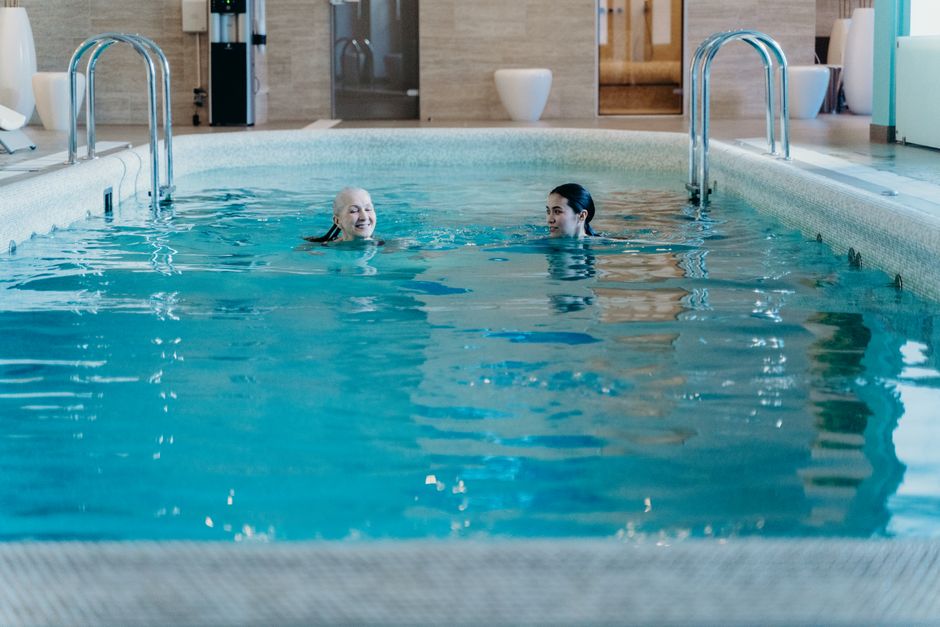
Shingles is a viral infection caused by the reactivation of the varicella-zoster virus — the same virus that causes chickenpox. The hallmark is a painful, blistering rash that usually appears in a band or strip on one side of the body. If you are in the middle of a shingles outbreak and wondering whether you can get in the pool or ocean, the short answer is: only after the rash has fully crusted over. Until that point, you can spread the virus to others through direct contact with the fluid from the blisters — and that includes contact in the water.
Can I Go Swimming With Shingles?
No — not while the rash is still in the blistering stage. The varicella-zoster virus lives in the fluid inside the blisters. If those blisters are open or weeping, the virus can spread to anyone who comes into direct contact with that fluid. Swimming pools and natural bodies of water are shared spaces. You cannot control who touches the water or what happens after.
Once every blister has formed a dry crust and no new blisters are appearing, the risk of spreading the virus through the rash drops dramatically. At that point, most clinicians would consider it reasonable to return to swimming. The crusting process usually takes somewhere between seven and ten days from when the rash first appears, though this varies from person to person.
There is a common misconception that chlorine in pool water kills the virus on contact. It does not work that way for the virus inside your blisters. The fluid inside a blister is protected. Chlorine acts on the water, not inside your skin. So the presence of chlorine does not make it safe to swim while your blisters are still open.
How Does Shingles Spread to Other People?
Shingles itself is not contagious in the way a cold is. You cannot catch shingles from someone who has shingles. What can happen is that a person who has never had chickenpox — or who has not been vaccinated against it — can catch chickenpox from the fluid in your shingles blisters.
The virus spreads through direct contact with the blister fluid. It does not spread through the air from your rash. It also does not spread through casual contact like sitting near someone. This is different from chickenpox, which spreads easily through the air when an infected person coughs or sneezes.
That distinction matters for swimming. If you are in a pool with open blisters, the concern is not that the virus will float through the water and infect everyone. The concern is direct skin-to-skin contact, or contact with a surface where blister fluid has landed. Sharing a towel, a pool float, or a locker room bench could theoretically transmit the virus if blister fluid gets on those surfaces.
People at higher risk of catching chickenpox from your blisters include:
- Infants who are not yet vaccinated
- Pregnant women who have never had chickenpox and have not been vaccinated
- Anyone with a weakened immune system, such as people undergoing chemotherapy or taking immunosuppressive medications
- Adults who never had chickenpox and were never vaccinated
If you are around any of these people, you need to be especially careful until your rash is fully crusted.
When Is It Safe to Swim Again?
The rash must be completely crusted over before you return to the water. Not mostly crusted. Not almost crusted. Every blister needs to have formed a dry scab, and no new blisters should be forming.
This is the same standard used for school and daycare exclusion policies. A child with chickenpox is generally considered no longer contagious once all lesions have crusted. The same principle applies to shingles.
Some people recover faster than others. The timeline depends on factors like your age, your immune function, and how quickly you started antiviral treatment. Antiviral medications, when started within the first 72 hours of rash onset, can shorten the duration and severity of the outbreak. But they do not eliminate the need to wait for full crusting before swimming.
If you are unsure whether your rash has fully crusted, ask a doctor or nurse to look at it. Do not guess. The difference between “mostly crusted” and “fully crusted” matters when you are sharing water with other people.





Does Water Make Shingles Worse?
Swimming in chlorinated pool water or natural bodies of water does not make the shingles rash itself worse. The virus is already inside your nerve cells and skin. Water does not spread it further on your body or deepen the infection.
However, there is a separate concern: open blisters are wounds. Any time you have broken skin, there is a risk of bacterial infection. Pool water, lake water, and ocean water all contain bacteria. If those bacteria get into an open blister, you could develop a secondary skin infection on top of the shingles. That is a different problem from shingles itself, and it can be serious.
Hot tubs and spas deserve special mention. The warm, wet environment of a hot tub is particularly hospitable to certain bacteria, including the kind that cause skin infections. If you have open shingles blisters, a hot tub is the last place you want to be. Even after crusting, it is worth being cautious until the scabs have fully healed and fallen off.
What About the Ocean, Lakes, and Hot Tubs?
The type of water does not change the basic rule. Whether it is a chlorinated pool, a lake, the ocean, or a hot tub, the deciding factor is whether your blisters are still open and weeping.
Ocean water contains salt and naturally occurring bacteria. Some people believe salt water helps heal wounds. There is limited evidence for that claim, and it does not apply to viral blisters. The ocean will not speed up the crusting process or make shingles less contagious.
Lake water and rivers can contain a variety of bacteria and other microorganisms. If you have open blisters, entering these waters increases your risk of a secondary infection. The same is true for hot tubs, where the warm temperature can promote bacterial growth if the water is not properly maintained.
After your blisters have crusted, swimming in any of these environments is generally fine as long as the scabs are not coming loose or bleeding. If the scabs are still fragile, wait a little longer.
What Precautions Should You Take Before Swimming Again?
Before you get back in the water, make sure the rash has fully crusted. Then take a few simple steps to protect yourself and others.
- Check that no blisters are still weeping or oozing fluid.
- Keep the affected area covered with a loose bandage or clothing if you are around other people, especially those at higher risk.
- Do not share towels, swimsuits, or pool equipment with anyone.
- Wash your hands thoroughly after touching the rash or changing bandages.
- Avoid hot tubs and spas until the scabs have completely healed and fallen off.
If you are still in the blistering stage and you have a strong reason to be in water — for example, if you are doing aquatic physical therapy — talk to your doctor first. They can assess your specific situation and advise you. In most cases, the recommendation will be to wait.
Can You Swim With Postherpetic Neuralgia?
Postherpetic neuralgia is nerve pain that persists after the shingles rash has healed. It is not an active infection. The virus is no longer replicating, and you are not contagious. Swimming is generally safe once the rash has fully healed, even if nerve pain remains.
In fact, some people find that gentle movement in warm water helps ease nerve pain. There is limited research on this specifically for postherpetic neuralgia, but warm-water exercise is sometimes recommended for chronic pain conditions in general. If the water feels good and your doctor has cleared you, there is no infectious reason to avoid it.
The key distinction is between active shingles — with blisters that can spread the virus — and postherpetic neuralgia, which is a complication after the infection has resolved. Once the rash is gone, the contagious period is over.
Frequently Asked Questions
Can I go swimming with shingles if my rash is crusted?
Yes, once every blister has fully crusted and no new blisters are forming, you are no longer considered contagious and can return to swimming. Wait until the scabs are dry and stable, not still weeping or bleeding.
Can I spread shingles to others in a swimming pool?
You can spread the varicella-zoster virus to people who have never had chickenpox through direct contact with fluid from your blisters. The virus does not spread through the water itself, but shared surfaces and skin-to-skin contact in a pool area can transmit it.
How long after shingles can I swim?
Most people can return to swimming about seven to ten days after the rash appears, once all blisters have crusted over. This timeline varies depending on your age, immune function, and whether you started antiviral treatment early.
Does chlorine kill the shingles virus in pool water?
Chlorine does not reliably kill the virus inside your blisters because the blister fluid protects it. The presence of chlorine in a pool does not make it safe to swim while your blisters are still open.
