
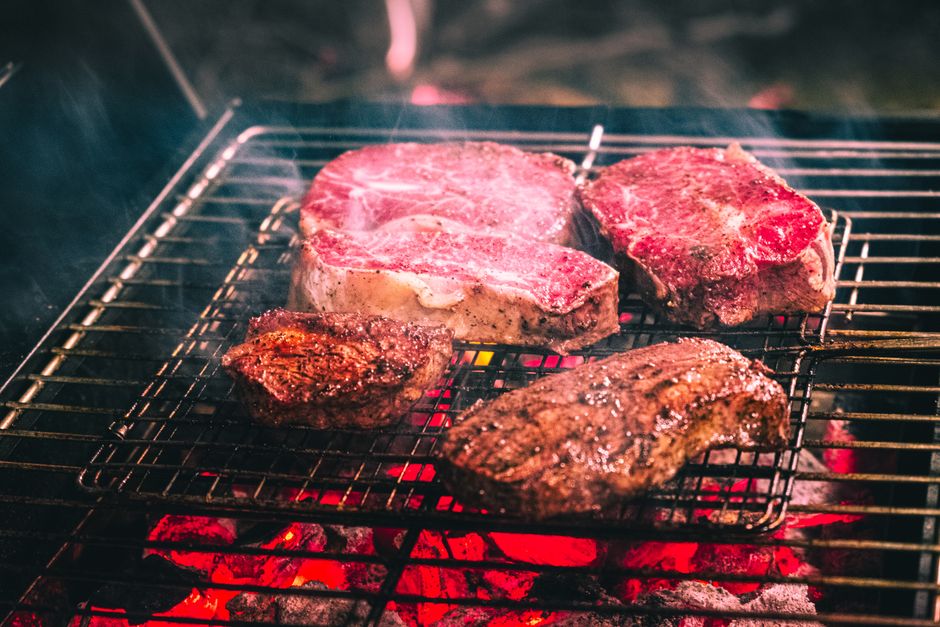
Yes, you can eat steak 2 days before a colonoscopy, but only if your preparation instructions allow solid food at that point. Most prep schedules permit a low-fiber diet two days before the procedure. Steak is naturally low in fiber, which makes it acceptable for many patients. However, the specific rules vary by doctor and by the prep kit you are given. You must follow the exact instructions your gastroenterologist provides, because those instructions override any general advice you read online.
What Is a Low-Fiber Diet and Why Does It Matter?
A colonoscopy requires a completely clean colon. The doctor needs to see the lining clearly to spot polyps or other abnormalities. Any leftover food residue can hide those findings.
Fiber is the main problem. Fiber is the part of plant foods that your body cannot digest. It stays in your intestines and creates bulk in your stool. A low-fiber diet reduces that bulk so your bowel can empty more completely with the laxative prep.
Two days before the procedure, most prep instructions switch you to a low-fiber diet. This is sometimes called a “low-residue” diet. The goal is to eat foods that leave very little behind in your colon.
Steak fits this category. Meat is essentially fiber-free. It digests mostly in your stomach and small intestine, leaving minimal residue for the colon. That is why steak is commonly allowed on low-fiber prep diets.
Can I Eat Steak 2 Days Before A Colonoscopy?
Yes, for most patients, steak is allowed two days before a colonoscopy. The key is how it is prepared and how much you eat.
Choose a lean cut of steak. Trim visible fat before cooking. Cook it simply—grilled, broiled, or baked. Do not add heavy sauces, marinades with seeds, or fried coatings. Those additions can introduce fiber or hard-to-digest components.
Portion size matters. A moderate portion, about the size of your palm, is reasonable. A huge steak dinner is not wise. Large amounts of any food can slow digestion and leave more residue.
Chew thoroughly. This sounds obvious, but it genuinely helps. Smaller pieces of meat move through the digestive tract more easily.
Do not eat the steak the day before the procedure. The day before is typically clear liquids only. That rule is nearly universal across prep protocols. Steak two days out is fine. Steak one day out is not.
What Foods Are Allowed Two Days Before a Colonoscopy?
Your prep instructions will list specific allowed foods. In general, the low-fiber stage two days before includes:
- Well-cooked vegetables without skins or seeds
- Ripe bananas and melons
- White bread, white rice, and plain pasta
- Skinless chicken or turkey
- Fish and shellfish
- Eggs and dairy products like yogurt and cheese
- Steak and other tender cuts of meat
These foods share one trait: they leave minimal residue in the colon. They digest almost completely before reaching the large intestine.
Fruit and vegetable juices are also allowed, as long as they are pulp-free. Smoothies are generally not allowed because the blended fiber remains intact.

What Foods Must You Avoid Two Days Before?
The avoid list is just as important as the allowed list. Foods high in fiber or hard to digest can ruin your prep. Common items to avoid include:
- Whole grains, brown rice, and oatmeal
- Nuts, seeds, and popcorn
- Raw vegetables and salads
- Corn and peas
- Beans and lentils
- Berries with seeds, like strawberries or raspberries
- Dried fruit
- Fried or fatty foods
Fatty foods deserve special attention. Even though steak is allowed, a heavily marbled ribeye cooked in butter is not ideal. High-fat meals slow stomach emptying. That delay can leave food in your system longer than you want during prep.
If you are unsure whether a specific food is safe, the safest move is to skip it. A missed meal is far less problematic than a failed prep.
What Happens If You Eat the Wrong Foods?
Eating high-fiber foods too close to the procedure can leave stool in the colon. If that happens, the doctor may not see the entire lining clearly. Polyps can hide behind residue.
In that situation, the doctor has two options. They can stop the procedure and reschedule for another day. Or they can proceed with less confidence in the results. Neither option is good.
A rescheduled colonoscopy means you go through the prep again. That is the part most people dread. Drinking the laxative solution, staying near the bathroom, and eating only clear liquids—all of it again.
Following the diet rules reduces this risk substantially. The prep laxative works best when the colon starts relatively empty.
Does the Type of Steak Matter?
Yes, to a degree. Lean cuts are better than fatty cuts. Sirloin, filet mignon, and flank steak are good choices. Ribeye and T-bone have more fat, which can slow digestion.
Processing matters too. Steak that is breaded or fried is not ideal. The breading adds carbohydrates and often more fat. A plain grilled steak is the cleanest option.
Seasoning is generally fine. Salt, pepper, garlic powder, and dried herbs are acceptable. Avoid spice rubs that contain seeds, like sesame or poppy seeds. Those seeds can linger in the colon and interfere with the exam.
Temperature does not matter. Whether your steak is rare, medium, or well-done does not affect the prep. What matters is the cut and how it is cooked.
Why Do Some Doctors Give Different Instructions?
Colonoscopy prep protocols are not identical across the country. Some doctors use a two-day low-fiber period. Others use only one day. Some prep kits are more aggressive than others.
Your specific instructions depend on several factors. These include the type of laxative used, the timing of your procedure, and your doctor’s personal preference based on their experience.
Some newer prep protocols allow a very low-fiber breakfast on the day before the procedure. Others require clear liquids for the full day prior. Neither approach is wrong. Both are valid strategies that have been tested in clinical practice.
This variation is why you cannot rely on general advice alone. The instructions printed on your prep paperwork are the final word. If they say no red meat at all, follow that. If they allow low-fiber meats, steak is fine.
When in doubt, call your doctor’s office. A quick phone call can prevent a wasted prep and a rescheduled procedure.
What About the Clear Liquid Day?
The day immediately before your colonoscopy is almost always clear liquids only. This is not negotiable in standard prep protocols.
Clear liquids include water, clear broth, black coffee or tea without milk, clear juices like apple or white grape, and sports drinks in light colors. Gelatin is allowed if it is not red, orange, or purple. Those colors can be mistaken for blood during the exam.
No solid food of any kind is allowed on this day. No steak, no chicken, no bread, no vegetables. The clear liquid phase ensures your colon is completely empty by the time of the procedure.
If you eat solid food during this phase, you risk an incomplete prep. The consequences are the same as eating the wrong foods earlier: a canceled or less reliable procedure.
Frequently Asked Questions
Can I eat red meat 2 days before a colonoscopy?
Yes, lean red meat like steak is generally allowed two days before a colonoscopy because it contains no fiber. Follow your specific prep instructions, and choose lean cuts cooked simply without heavy sauces.
Can I eat steak the day before a colonoscopy?
No. The day before your colonoscopy is typically clear liquids only. Solid food of any kind, including steak, is not allowed during this phase.
What meats are allowed before a colonoscopy?
Skinless chicken, turkey, fish, and lean cuts of beef or pork are usually allowed during the low-fiber phase two days before the procedure. Avoid fried or heavily processed meats during this time.
Will eating steak ruin my colonoscopy prep?
Steak itself is unlikely to ruin your prep if eaten two days before and prepared simply. Eating large portions or fatty cuts could slow digestion and leave more residue, so keep portions moderate.
