
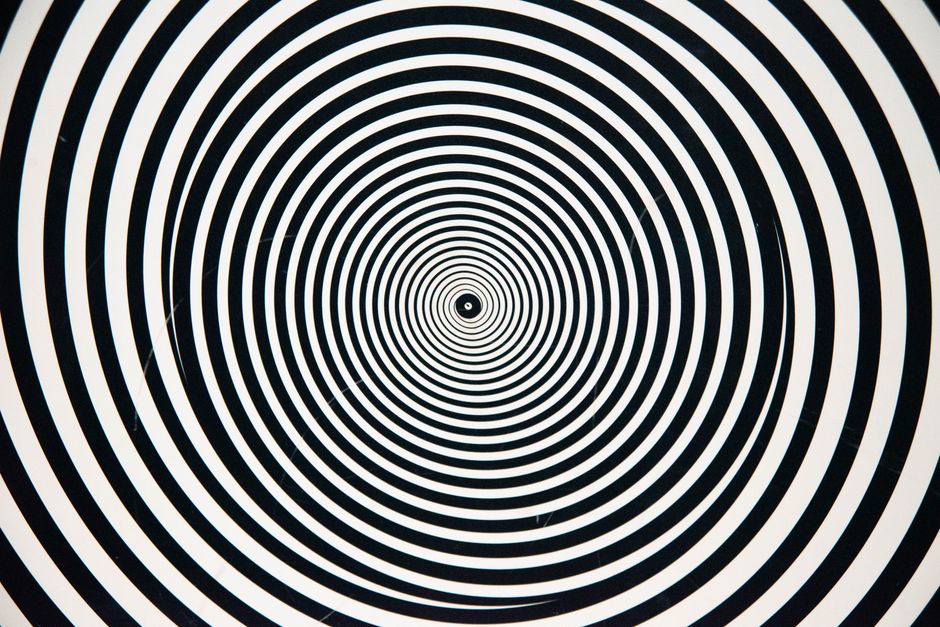
Most people can be hypnotized, but not everyone responds the same way. Hypnotizability is not a fixed trait — it is more like a skill that varies from person to person. The clearest sign you are susceptible is your ability to get absorbed in a book, movie, or daydream and lose track of time around you. If you have ever driven past your exit because you were lost in thought, you have already experienced a light hypnotic state.
Can I Be Hypnotized? Signs You Are Susceptible
Yes, you likely can be hypnotized. Research shows that about 85 percent of people are at least moderately hypnotizable. Only about 10 percent are highly resistant. The other 5 percent are highly responsive — the kind of people who can enter deep trance states quickly.
The strongest predictor is not willpower or gullibility. It is absorption — your natural ability to focus so deeply on something that the outside world fades away. People who score high on absorption scales in psychology studies also score high on hypnotizability scales. This connection is well documented in research published by the American Psychological Association.
Another reliable sign is how easily you get lost in stories. If you cry during movies or feel like you are inside a book while reading, you likely have the mental flexibility that hypnosis requires. Your imagination is already doing most of the work.
What Does Research Show About Who Can Be Hypnotized?
Studies have found that hypnotizability peaks in late childhood, around ages 7 to 14. After that, it slowly declines through adulthood. By age 60, most people are less responsive than they were as children, but still capable of being hypnotized.
Research from Stanford University School of Medicine has used brain imaging to study this. People who are highly hypnotizable show different brain activity patterns. Their prefrontal cortex — the part of the brain that plans and analyzes — becomes less active during hypnosis. At the same time, the parts of the brain that handle automatic body functions and emotions become more connected. This is not something you can fake. It is a measurable neurological response.
The idea that only weak-minded people can be hypnotized is false. The Stanford research found that people with higher cognitive flexibility — the ability to shift thinking between tasks — tend to be more hypnotizable. Strong focus is the key, not weak will.
Can You Be Hypnotized If You Are Skeptical?
Yes. Skepticism does not block hypnosis. What blocks it is active resistance. If you sit in a chair thinking “this is stupid, this will never work,” you are fighting the process. That is like trying to fall asleep while yelling at yourself to fall asleep.
Many people who are skeptical about hypnosis actually become excellent subjects once they let go. The reason is simple: skeptics tend to be analytical thinkers. Once they understand how hypnosis works — that it is a natural state of focused attention, not mind control — they can engage with it fully. Some studies suggest that analytical people can be just as hypnotizable as imaginative people, but they need to trust the process first.
If you are skeptical, ask the hypnotist to explain the procedure before you start. Knowing what to expect removes the fear of being tricked. That alone often increases hypnotic response.




How Is Hypnotizability Measured?
Hypnotizability is measured with standardized scales. The two most common are the Stanford Hypnotic Susceptibility Scale and the Harvard Group Scale of Hypnotic Susceptibility. These tests were developed in the 1950s and 1960s and are still used in research today.
The test works like this: a hypnotist gives a series of suggestions, and the subject is scored on how many they follow. Suggestions include things like “your arm is getting lighter and floating up” or “you cannot smell anything.” The test takes about 30 to 45 minutes. Scores range from 0 to 12. A score of 5 to 7 is average. A score of 9 or higher is considered highly hypnotizable.
You do not need to take a formal test to know if you are hypnotizable. The table below gives you a rough idea based on everyday behaviors.
| Everyday Behavior | Likely Hypnotizability Level |
|---|---|
| Frequently lose track of time while reading or watching a show | High |
| Can picture scenes in your mind vividly, almost like a movie | High to moderate |
| Get deeply absorbed in a conversation and miss what is around you | Moderate to high |
| Rarely daydream or get lost in thought | Low to moderate |
| Need to see something to believe it; prefer logic over imagination | Low, but can still respond with practice |
What Makes Someone Harder to Hypnotize?
Certain traits and conditions make hypnosis harder, though not impossible. The biggest barrier is fear of losing control. People who constantly need to feel in charge of their surroundings often struggle to relax enough to enter a hypnotic state. This is not a character flaw — it is a survival instinct that fights against letting go.
Other factors that reduce hypnotizability include:
- Active psychosis or untreated severe mental illness. Hypnosis is not recommended for people with schizophrenia or active delusions, as it can worsen symptoms.
- Certain medications that dull attention or memory. Benzodiazepines and strong sedatives can make it harder to focus during hypnosis.
- Extreme fatigue or intoxication. Hypnosis requires some mental energy. Being exhausted or drunk makes it much harder to concentrate.
- A fixed belief that you cannot be hypnotized. This is a self-fulfilling prophecy. If you are certain it will not work, you will not engage with the process.
If you have tried hypnosis and it did not work, do not assume you are unhypnotizable. The hypnotist matters. A skilled hypnotist adapts their approach to the person in front of them. An unskilled one uses the same script for everyone and blames the client when it fails.
Common Misconceptions About Hypnotizability
There is a lot of bad information about hypnosis online. Here are three myths that keep coming back, and what the evidence actually says.
Myth: Only gullible people can be hypnotized. This is the most persistent myth. The truth is the opposite. Research shows that people who score high on measures of absorption and imagination — not gullibility — are the most responsive. Gullibility is about believing things without evidence. Hypnosis is about focused attention. They are not the same thing.
Myth: You can be hypnotized against your will. No reputable study supports this. Hypnosis requires your cooperation. A stage hypnotist who convinces someone to cluck like a chicken is not demonstrating mind control. They are selecting volunteers who are already willing to play along. The CDC and other health agencies have stated that hypnosis cannot make you do something against your values.
Myth: If you remember everything, you were not really hypnotized. This is false. Most people remember their hypnosis sessions clearly. Amnesia during hypnosis is rare and usually only happens when it is specifically suggested. Memory of the session does not mean the hypnosis failed. It means you were in a lighter state, which is still effective for many purposes like relaxation or habit change.
Can You Train Yourself to Be More Hypnotizable?
Some evidence suggests you can improve your hypnotic responsiveness with practice. A 2018 study published in the International Journal of Clinical and Experimental Hypnosis found that people who practiced self-hypnosis daily for two weeks showed measurable increases in their hypnotizability scores. The improvement was modest but real.
The training is simple. It involves practicing focused attention exercises. One common method is to stare at a single point on a wall for several minutes while breathing slowly. When your mind wanders, bring it back gently. This strengthens the same mental muscles that hypnosis uses.
Another approach is progressive relaxation. Lie down and systematically relax each part of your body, starting from your toes and moving up to your head. Do this for 10 minutes a day. Over time, your brain learns to enter a relaxed, focused state more quickly. That is essentially what hypnosis is — a learned skill of deep focus combined with relaxation.
There is no evidence that hypnosis audio recordings or apps permanently change your brain. But they can teach you how to enter the state more reliably. That is a skill you can keep and use without the recording.
Frequently Asked Questions
Can everyone be hypnotized?
Most people can be hypnotized to some degree. Only about 10 percent of people are highly resistant.
How do I know if I am hypnotizable?
If you often get lost in books, movies, or daydreams, you are likely hypnotizable. Your ability to absorb into experiences is the strongest sign.
Does hypnosis work on skeptics?
Yes, but only if they stop actively resisting. Skepticism alone does not block hypnosis, but fighting the process does.
Can hypnosis be dangerous?
Hypnosis is generally safe when done by a trained professional. It is not recommended for people with severe mental illness or active psychosis.
