
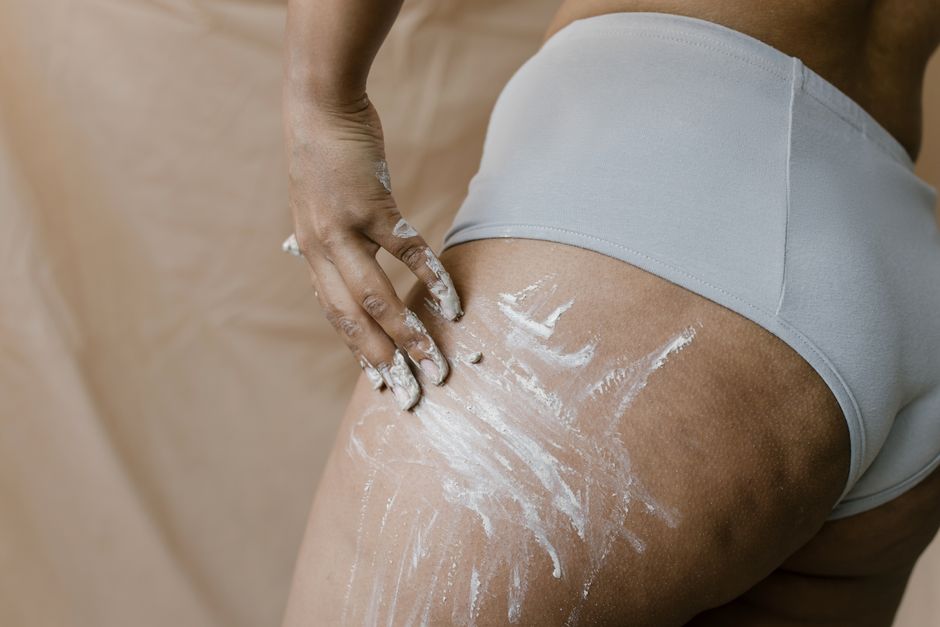
Groin rashes in men are common, uncomfortable, and often itchy. Many people reach for hydrocortisone cream as a first-line treatment because it is widely available and works well on many skin irritations. The short answer is that hydrocortisone cream can be used on a groin rash, but only in specific situations. Using it incorrectly can make the rash worse or mask a more serious infection. This article explains when hydrocortisone is safe, when it is not, and what you should know before applying it.
What Causes a Groin Rash in Men?
Groin rashes have several possible causes. The most common is tinea cruris, often called jock itch. This is a fungal infection caused by dermatophytes, the same family of fungi that causes athlete’s foot. It typically appears as a red, itchy rash on the inner thighs and groin, often with a raised, scaly border.
Other causes include contact dermatitis from soaps, laundry detergents, or synthetic fabrics. Friction from exercise or tight clothing can also irritate the skin. Less commonly, bacterial infections or skin conditions like psoriasis can appear in the groin area. Each cause requires a different treatment approach.
When Is Hydrocortisone Cream Safe to Use?
Hydrocortisone is a mild corticosteroid that reduces inflammation and itching. It is safe for short-term use on rashes caused by contact dermatitis or irritant reactions. If the rash appeared after you changed soap, detergent, or clothing material, hydrocortisone may help calm the inflammation.
Use it for no more than 5 to 7 days in the groin area. The skin there is thinner and more sensitive than skin on the arms or legs. Longer use can thin the skin further, cause stretch marks, or lead to other complications. If the rash does not improve within a week, stop using the cream and see a healthcare provider.
When Hydrocortisone Makes a Groin Rash Worse
Hydrocortisone should not be used on a rash that is likely fungal. Jock itch is a fungal infection, and corticosteroids do not kill fungi. In fact, hydrocortisone can suppress the local immune response, allowing the fungus to spread and grow more aggressively.
This is a well-documented problem. When a fungal rash is treated with a steroid cream alone, it can develop into a condition called tinea incognito. The rash loses its typical appearance, spreads beyond its original borders, and becomes harder to diagnose. The infection may also become more difficult to treat with antifungal medications later.
Signs that a rash is more likely fungal than allergic include a raised, ring-shaped border, intense itching, or a rash that has spread from one side of the groin to the other. If you have athlete’s foot as well, the groin rash is very likely fungal.





How to Tell If Your Groin Rash Is Fungal or Allergic
Distinguishing between a fungal rash and an allergic reaction is important because the treatment differs completely. A fungal rash often has a distinct edge that is redder and slightly raised. The center may clear up while the border remains active. This creates the ring-like pattern that gives ringworm its name.
An allergic or irritant rash usually appears where the skin touched the offending substance. It may be more uniformly red and can include small blisters or weeping in severe cases. The itching tends to be more diffuse rather than concentrated at a border.
If you are uncertain, a healthcare provider can perform a simple skin scraping and examine it under a microscope. This test, called a KOH preparation, can confirm whether fungus is present. It is quick, painless, and provides a definitive answer.
What to Use Instead of Hydrocortisone for Jock Itch
If the rash is fungal, the correct treatment is an antifungal cream. Over-the-counter options include clotrimazole, miconazole, and terbinafine. These medications are applied directly to the rash and the surrounding skin, usually for 2 to 4 weeks.
Antifungal creams are safe for the groin area when used as directed. They work by damaging the fungal cell membrane, which kills the organism. Improvement is often noticeable within a few days, but it is important to continue treatment for the full duration to prevent recurrence.
Some combination products contain both an antifungal and a mild steroid. These are available by prescription and can be useful in certain cases. However, they should only be used under medical supervision, as the steroid component carries the same risks as hydrocortisone when used improperly.
How to Prevent Groin Rashes From Returning
Prevention focuses on keeping the area dry and reducing friction. Fungi thrive in warm, moist environments. After showering or exercising, dry the groin area thoroughly with a clean towel. Consider using a separate towel for the groin to avoid spreading fungus from the feet.
Wear loose-fitting underwear made of breathable fabrics like cotton. Change underwear daily and after heavy sweating. Avoid sharing towels or clothing with others, as fungal infections can spread through contaminated items.
If you have athlete’s foot, treat it at the same time as any groin rash. Untreated foot fungus can reinfect the groin through towels or when pulling on underwear. Treating both areas simultaneously reduces the chance of the rash returning.
When to See a Doctor for a Groin Rash
You should see a healthcare provider if the rash does not improve after one week of appropriate treatment, if it spreads rapidly, or if it becomes painful or starts oozing. These signs may indicate a bacterial infection or a condition that requires prescription treatment.
Seek medical attention promptly if you have diabetes or a weakened immune system. Groin rashes can become more serious in these populations, and infections may progress quickly. A doctor can identify the exact cause and prescribe the correct medication.
Also see a doctor if the rash keeps coming back after treatment. Recurrent groin rashes may require a longer course of medication or a different diagnostic approach. Persistent rashes should never be treated with repeated courses of hydrocortisone.
Risks of Long-Term Hydrocortisone Use in the Groin Area
Long-term use of hydrocortisone on the groin carries specific risks. The skin in this area is thin and absorbs topical steroids readily. Prolonged use can cause skin atrophy, which is thinning and weakening of the skin. This can lead to visible stretch marks, easy bruising, and increased susceptibility to injury.
Steroid creams can also cause a condition called perioral dermatitis when used around body folds, though this is more common on the face. In the groin, prolonged steroid use can promote the overgrowth of bacteria or fungi, leading to secondary infections.
Systemic absorption is another concern. While hydrocortisone is mild, using it on large areas of the body or for extended periods can allow enough steroid into the bloodstream to affect hormone levels. This is rare with short-term use but becomes more likely with misuse.
Frequently Asked Questions
Can I use hydrocortisone cream on jock itch?
No, hydrocortisone should not be used on jock itch because it does not kill fungus and can make the infection worse. Use an antifungal cream like clotrimazole or terbinafine instead for 2 to 4 weeks.
How long can I safely use hydrocortisone on my groin?
Use hydrocortisone on the groin for no more than 5 to 7 days. If the rash has not improved after one week, stop using it and see a healthcare provider.
What does a fungal groin rash look like compared to an allergic one?
A fungal rash typically has a raised, ring-shaped border with a clearer center, while an allergic rash is usually more uniformly red and appears where the skin touched an irritant. A KOH test by a doctor can confirm which type you have.
Is it safe to mix hydrocortisone with antifungal cream?
Combining hydrocortisone with an antifungal cream is sometimes done, but it is not recommended without medical supervision. The steroid can mask symptoms while the infection continues to spread underneath.
