
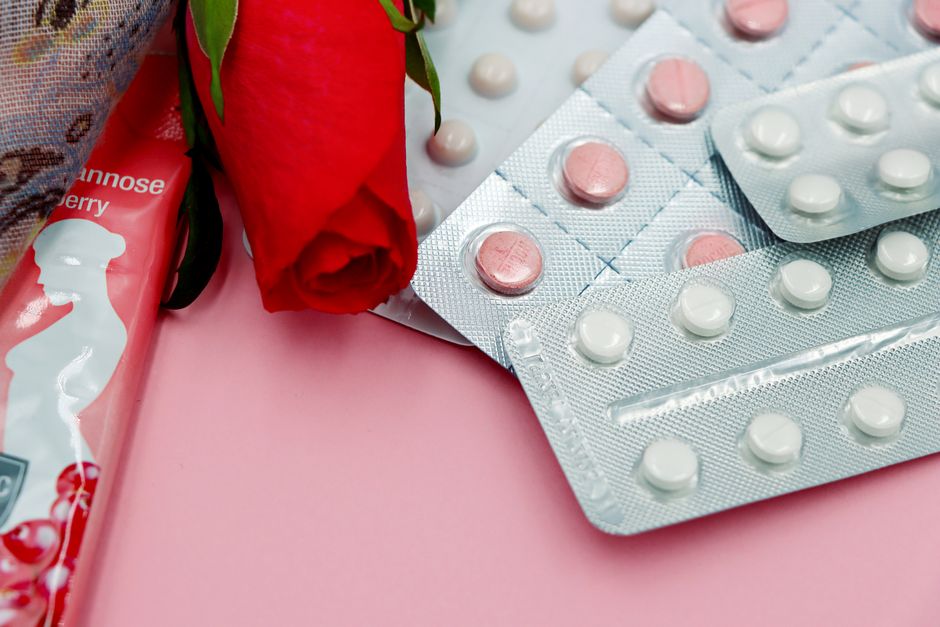
Hormone replacement therapy (HRT) can cause hair loss, but it is not the most common reaction, and for many people it actually helps prevent it. The relationship depends heavily on the type of hormones used, your individual genetics, and whether you are experiencing menopause-related hair thinning or androgenetic alopecia. Hair loss on HRT is usually a side effect of hormonal shifts, not a sign that the treatment is failing, and it is often manageable with a change in formulation or dosage.
How Does Hormone Replacement Therapy Affect Hair Growth?
Your hair follicles are highly sensitive to hormones. Both estrogen and testosterone influence the hair growth cycle, which has three phases: growth (anagen), transition (catagen), and rest (telogen). When hormone levels shift, a large number of follicles can enter the resting phase at once. A few months later, those hairs shed together. This is called telogen effluvium, and it is the most common type of hair loss linked to starting or changing HRT.
Estrogen generally prolongs the growth phase of hair. That is why many women report thicker, fuller hair during pregnancy when estrogen levels are high. Progesterone has a weaker effect, but it can still influence hair texture and oil production. Testosterone, even at the low doses used in some HRT regimens, can shorten the growth phase in genetically susceptible follicles.
The key point is that HRT does not damage hair follicles permanently. The shedding is a response to a change in your hormonal environment. Once your body adjusts to the new levels, the shedding usually stops and normal growth resumes.
Can Hormone Replacement Therapy Cause Hair Loss or Prevent It?
HRT can do both, depending on the person. For women in menopause, the drop in estrogen is often linked to thinning hair. Replacing that estrogen frequently improves hair density and reduces shedding. Some studies suggest that estrogen therapy can slow the progression of female pattern hair loss, though results vary widely between individuals.
However, certain HRT formulations are more likely to trigger shedding than others. Testosterone therapy, sometimes prescribed for low libido or fatigue in perimenopausal and postmenopausal women, can accelerate hair loss in women who have a genetic predisposition to androgenetic alopecia. This is the same pattern of hair loss seen in male pattern baldness, but in women it typically presents as diffuse thinning across the top of the scalp rather than a receding hairline.
Progestins, the synthetic forms of progesterone, can also cause hair shedding in some women. The effect is not universal, and it often depends on the specific progestin used. Some types have more androgenic activity than others, meaning they can act like testosterone in the body. These androgenic progestins are more likely to contribute to hair loss.
What Types of HRT Are More Likely to Cause Hair Thinning?
Not all HRT is the same. The risk of hair loss depends on the specific hormones and how they are delivered.
- Oral estrogen — Generally protective for hair. It raises sex hormone-binding globulin (SHBG), a protein that binds to free testosterone and reduces its activity. This can actually help hair follicles.
- Transdermal estrogen (patches or gels) — Has less effect on SHBG than oral estrogen. It is still beneficial for most women, but the protective effect on hair may be slightly weaker.
- Testosterone therapy — The highest risk for hair loss. Women with a family history of pattern baldness are more likely to experience thinning on testosterone.
- Androgenic progestins — These include levonorgestrel and norethisterone. They can counteract some of estrogen’s benefits on hair.
- Non-androgenic progestins — These include drospirenone and micronized progesterone. They are less likely to cause hair shedding.
If you are experiencing hair loss on HRT, ask your doctor about the specific progestin in your prescription. Switching to a non-androgenic option or changing the delivery method may resolve the problem.





How Long Does HRT-Related Hair Shedding Last?
If the shedding is caused by telogen effluvium, it typically begins two to four months after starting HRT or changing the dose. The shedding phase can last up to six months. This is a normal timeline because the hair cycle takes time to respond to hormonal changes.
Most women see improvement within six to twelve months as their hormone levels stabilize. If shedding continues beyond that point, it may not be related to HRT alone. Other causes such as iron deficiency, thyroid dysfunction, or stress should be investigated.
It is important not to stop HRT abruptly without speaking to your doctor. Sudden withdrawal of estrogen can trigger another round of shedding and may bring back menopause symptoms. Your clinician can help you adjust the dose or switch to a different formulation gradually.
What Should You Do If You Notice Hair Loss on HRT?
The first step is to document what you are seeing. Take photos in consistent lighting so you can track changes objectively. Hair loss can feel more dramatic than it actually is, and having a visual record helps you and your doctor assess whether the shedding is significant.
Next, ask your doctor to run basic blood work. Iron deficiency and low ferritin are common in women and can worsen any hormonal hair shedding. Thyroid disease also causes diffuse hair loss and is more common in perimenopause. Checking vitamin D levels is reasonable as well, since deficiency has been linked to hair thinning.
If blood work is normal and the shedding is clearly linked to starting HRT, discuss a formulation change. Switching from an androgenic progestin to micronized progesterone is a common first step. Reducing the testosterone dose or changing how it is delivered may also help. Some women do well with a lower dose applied topically rather than injected.
Minoxidil, available over the counter as a topical foam or solution, is the most evidence-based treatment for female pattern hair loss. It does not interact with HRT and can be used alongside it. It takes at least three to six months to see visible results, and it must be continued indefinitely to maintain the effect.
Is There a Difference Between Menopause Hair Loss and HRT Hair Loss?
Yes, and distinguishing between them matters. Menopause itself causes hair changes. Declining estrogen and progesterone levels can lead to thinner, drier hair. At the same time, the relative increase in androgens can shrink hair follicles over time. This is why many women notice gradual thinning in their fifties even without HRT.
HRT-related hair loss is usually more sudden. It appears as a noticeable increase in shedding within months of starting therapy. Menopause-related thinning is slower and more diffuse.
If you started HRT and your hair got worse, it may be tempting to blame the treatment. But it is also possible that the HRT is not causing the loss — it may simply be that the underlying menopausal transition is progressing. The only way to know is to track the timeline carefully and work with a clinician who understands both conditions.
Does Stopping HRT Reverse the Hair Loss?
In most cases, yes. If the hair loss is caused by the hormonal change itself, stopping HRT should allow the hair cycle to reset. Shedding typically stops within a few months of discontinuation, and regrowth follows.
However, stopping HRT is not always the best solution. The benefits of HRT for bone density, heart health, and quality of life may outweigh the cosmetic concern of temporary shedding. Also, the sudden drop in hormones from stopping can trigger another round of telogen effluvium, making the hair look worse before it improves.
If the hair loss is due to androgenetic alopecia that was unmasked by testosterone therapy, stopping the testosterone may slow the progression but will not necessarily reverse the thinning that has already occurred. This is why early intervention matters. If you have a family history of pattern baldness, discuss this with your doctor before starting testosterone therapy.
Frequently Asked Questions
Can hormone replacement therapy cause hair loss in women?
Yes, it can, especially with testosterone therapy or androgenic progestins. Most cases are temporary shedding that resolves once hormone levels stabilize.
How long does hair loss last after starting HRT?
Shedding usually begins two to four months after starting and can last up to six months. Most women see improvement within a year as the body adjusts.
Will my hair grow back if I stop HRT?
In most cases, yes, if the loss was caused by the hormonal change. Stopping abruptly can cause another shedding phase, so talk to your doctor about the best way to adjust your treatment.
What is the best HRT for hair loss prevention?
Oral estrogen with a non-androgenic progestin like micronized progesterone is generally the most hair-friendly option. Testosterone therapy carries the highest risk of thinning.
