
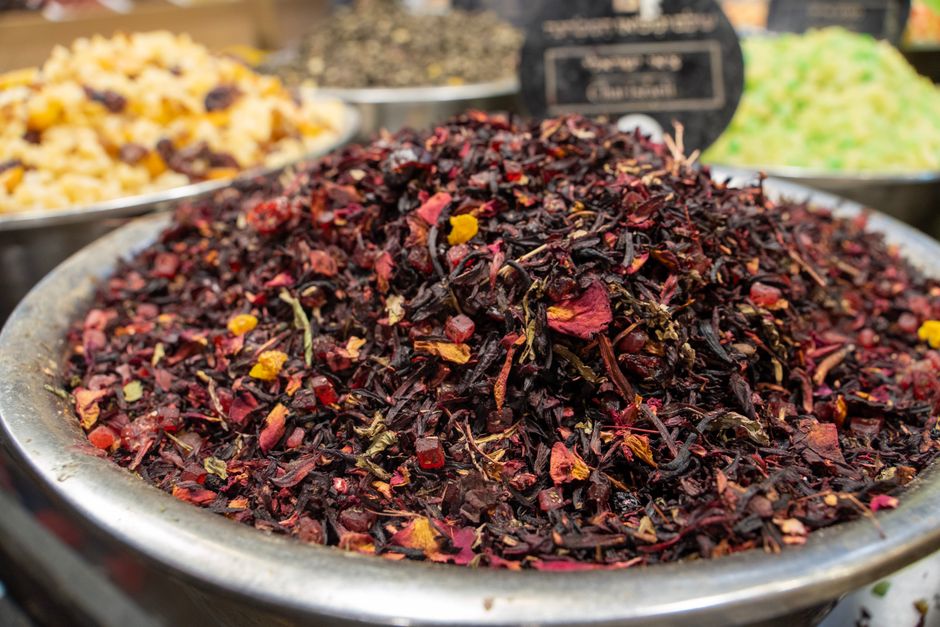
Yes, hibiscus tea can cause diarrhea, especially when consumed in large amounts or by people with sensitive digestive systems. The tea contains natural compounds that act as a mild laxative and can speed up digestion. For most people, one or two cups a day is fine. But drinking three or more cups, or drinking it on an empty stomach, can lead to loose stools or diarrhea.
How Does Hibiscus Tea Affect Digestion?
Hibiscus tea comes from the dried calyces of the Hibiscus sabdariffa flower. It has a tart, cranberry-like flavor and is popular around the world as a hot or iced drink. The tea contains several active compounds that influence the digestive system.
The main compounds are organic acids, including citric acid, malic acid, and hibiscus acid. These acids can stimulate the production of stomach acid and bile. More stomach acid and bile help break down food faster. For some people, this speeds up the movement of food through the intestines. The result can be loose stools or diarrhea.
Research published in the Journal of Ethnopharmacology found that hibiscus extract has a mild laxative effect in animal studies. This effect is not strong enough to treat constipation, but it is enough to cause diarrhea in people with sensitive digestion. The effect is stronger when the tea is brewed strong or consumed in large volumes.
Can Hibiscus Tea Cause Diarrhea in Most People?
For most healthy adults, moderate amounts of hibiscus tea do not cause diarrhea. The typical serving is one to two cups per day. At this level, the digestive effects are mild or unnoticeable. People who drink hibiscus tea regularly often report no problems at all.
The risk of diarrhea increases with higher intake. A study in Phytotherapy Research looked at people drinking three cups of hibiscus tea daily for four weeks. About 8 percent of participants reported mild digestive upset, including loose stools. This is a small percentage, but it shows the effect is real for some individuals.
People with existing digestive conditions like irritable bowel syndrome (IBS) or inflammatory bowel disease (IBD) are more likely to experience diarrhea from hibiscus tea. The acids in the tea can irritate an already sensitive gut lining. If you have a diagnosed digestive condition, start with half a cup and see how your body responds.
What Compounds in Hibiscus Tea Cause Diarrhea?
Three main compounds contribute to the laxative effect of hibiscus tea. Understanding them helps explain why some people react and others do not.
Organic acids are the primary cause. Hibiscus tea is high in citric acid and malic acid. These acids stimulate the production of gastric juices. More gastric juice means faster digestion and quicker transit through the intestines. The colon has less time to absorb water, so stools come out looser.
Anthocyanins are the pigments that give hibiscus its deep red color. These compounds have antioxidant properties but can also affect gut motility. Some research suggests anthocyanins relax the smooth muscle of the intestinal wall. Relaxed muscles mean food moves through faster, leaving less time for water absorption.
Polysaccharides in hibiscus act as a mild fiber. While fiber usually helps digestion, the specific polysaccharides in hibiscus can ferment in the gut. Fermentation produces gas and can draw water into the colon. This combination can lead to bloating and loose stools in sensitive individuals.
| Compound | Effect on Digestion | Risk of Diarrhea |
|---|---|---|
| Organic acids (citric, malic) | Increase stomach acid and bile production | Moderate |
| Anthocyanins | Relax intestinal muscles, speed transit | Low to moderate |
| Polysaccharides | Ferment in gut, draw water into colon | Low |




How Much Hibiscus Tea Is Too Much?
There is no official upper limit for hibiscus tea because it is a food product, not a drug. But based on clinical studies and common reports, a reasonable guideline emerges.
One to two cups per day is safe for most people. At this level, the benefits of hibiscus tea — including lower blood pressure and antioxidant effects — outweigh any digestive risks. The American Heart Association has noted that hibiscus tea can be part of a heart-healthy diet when consumed in moderation.
Three or more cups per day increases the risk of diarrhea. The exact threshold varies by person. Factors that influence tolerance include body weight, overall diet, gut health, and whether you drink the tea on an empty stomach. Drinking hibiscus tea with food reduces the laxative effect because the food buffers the acids.
Concentrated forms like extracts, supplements, or very strong brews carry a higher risk. A case report in the Journal of Medical Toxicology described a person who developed severe diarrhea after taking a concentrated hibiscus supplement. Stick to normal-strength tea brewed from dried flowers or tea bags.
Who Should Be Careful With Hibiscus Tea?
Certain groups have a higher risk of diarrhea from hibiscus tea. If you fall into any of these categories, it is worth being cautious.
- People with IBS or IBD. The acids in hibiscus tea can trigger symptoms in an already sensitive gut. Start with a small amount and monitor your reaction.
- People taking blood pressure medication. Hibiscus tea can lower blood pressure. Combined with medication, the effect may be too strong. Diarrhea can also cause dehydration, which affects blood pressure control.
- Pregnant women. The safety of hibiscus tea during pregnancy is not well studied. Some sources advise avoiding it because of potential effects on hormone levels and digestion. Diarrhea during pregnancy can lead to dehydration, which is dangerous for both mother and baby.
- People with kidney problems. Hibiscus tea is high in oxalates, which can contribute to kidney stone formation in susceptible people. Diarrhea also increases the risk of dehydration, which stresses the kidneys.
- Children under 2 years old. Their digestive systems are still developing. The laxative effect of hibiscus tea can cause dehydration more quickly in young children.
If you are in any of these groups, talk to your doctor before drinking hibiscus tea regularly. The tea is not dangerous for most people, but individual risks matter.
What to Do If Hibiscus Tea Gives You Diarrhea
If you experience diarrhea after drinking hibiscus tea, the first step is to stop drinking it. Give your digestive system a break for a few days. Most cases resolve on their own within 24 to 48 hours.
Stay hydrated. Diarrhea causes fluid loss, and hibiscus tea itself has a mild diuretic effect. Drink plain water or an electrolyte solution. Avoid caffeine and alcohol, which can worsen dehydration.
If you want to try hibiscus tea again, make adjustments. Brew it weaker by using less tea or steeping for a shorter time. Drink it with food rather than on an empty stomach. Limit yourself to one cup. Some people find that switching from hot tea to iced tea reduces the digestive effect, possibly because the cold temperature slows gut motility.
Diarrhea that lasts more than three days, or is accompanied by severe pain, fever, or blood, requires medical attention. This is not common with hibiscus tea, but it can happen in rare cases of extreme sensitivity or contamination.
Frequently Asked Questions
Can hibiscus tea cause diarrhea immediately?
Yes, some people experience loose stools within a few hours of drinking hibiscus tea, especially on an empty stomach.
How many cups of hibiscus tea cause diarrhea?
Three or more cups per day increases risk, but some people react to just one cup if they have a sensitive stomach.
Is hibiscus tea a laxative?
Hibiscus tea has a mild laxative effect but is not strong enough to treat constipation effectively.
Can hibiscus tea cause diarrhea in babies?
Hibiscus tea is not recommended for babies under 12 months due to the risk of diarrhea and dehydration.
