
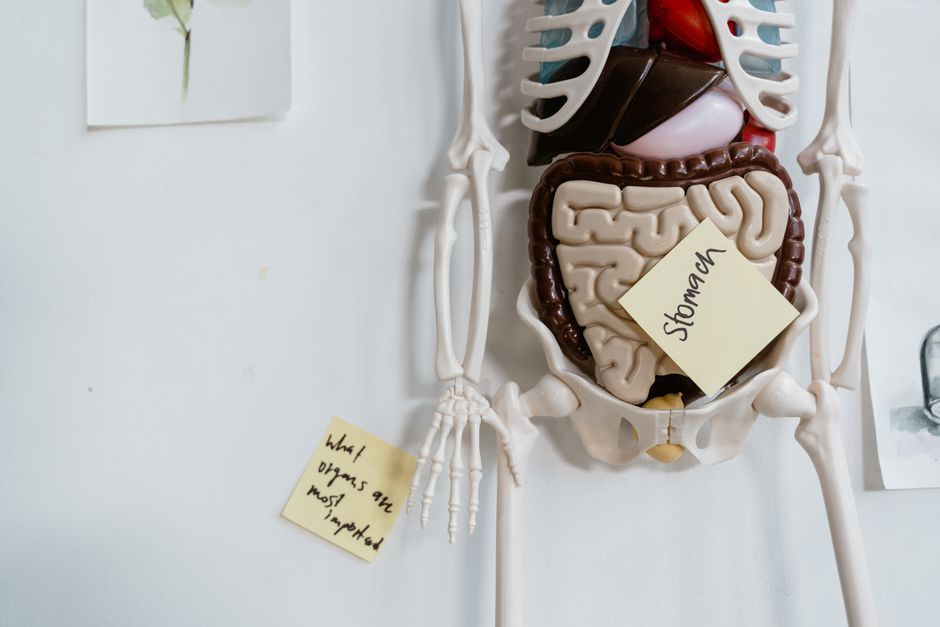
Hemorrhoids do not cause stomach pain. They are swollen veins in the lower rectum and anus, and the discomfort they produce stays in that area. Stomach pain comes from higher up in the digestive tract, and that difference matters when you are trying to figure out what is going on.
That said, people sometimes have both problems at the same time. Hemorrhoids are common, and so are stomach issues like gas, indigestion, and constipation. When two common conditions show up together, it is easy to assume one caused the other. Usually, they did not.
This article explains where hemorrhoids actually hurt, what can cause stomach pain alongside them, and when the combination deserves a call to a doctor.
Where Do Hemorrhoids Actually Cause Pain?
Hemorrhoids cause pain, itching, or discomfort at or just inside the anus. That is the entire zone they affect.
Hemorrhoids are cushions of blood vessels that sit in the anal canal. Everyone has them. They only become a problem when they swell, stretch, or slip out of place. When that happens, you feel it locally — a burning or aching sensation around the anus, itching, a lump you can feel, or pain during a bowel movement.
Internal hemorrhoids often cause no pain at all. They can bleed without hurting because the tissue above a certain point inside the anal canal has few pain-sensing nerves. External hemorrhoids sit under skin that is packed with nerve endings, so they tend to hurt more.
What hemorrhoids do not do is send pain upward into the belly. There is no shared nerve pathway or physical connection that would carry hemorrhoid pain into the stomach or upper abdomen. If your stomach hurts, something else is going on.
Why Do People Link Hemorrhoids and Stomach Pain?
Constipation is the bridge. It is a major risk factor for hemorrhoids, and it also causes abdominal discomfort, bloating, and cramping.
When someone is constipated, they strain to pass hard stool. That straining puts pressure on the veins in the anal canal and can make hemorrhoids worse. At the same time, the backed-up stool itself causes belly pain, a full feeling, and gas. So a person can genuinely have both a sore bottom and an aching stomach — from the same underlying problem, not because one caused the other.
This is a key distinction. The constipation is doing the work in both places. The hemorrhoid is a downstream result, and the stomach pain is a separate result.
Other reasons the two get linked:
- People search for one explanation that covers everything, so they connect two symptoms that are actually unrelated.
- Some medications, including iron supplements and certain pain relievers, can cause both constipation and stomach upset.
- Stress and anxiety can worsen bowel habits and also cause stomach discomfort, so both symptoms can flare together.
None of these mean hemorrhoids are causing the stomach pain. They mean the two symptoms share a trigger.
What Else Causes Stomach Pain Alongside Hemorrhoids?
A long list of common conditions can cause stomach pain at the same time as hemorrhoids, and most have nothing to do with the hemorrhoids themselves.
Digestive causes are the most likely. These include:
- Constipation — hard, infrequent stools that cause both straining and belly discomfort.
- Irritable bowel syndrome (IBS) — a common condition that causes cramping, bloating, and changes in bowel habits. Hemorrhoids can develop from the straining IBS sometimes involves.
- Gas and bloating — trapped gas causes cramping and a full, tight feeling in the abdomen.
- Indigestion — burning or discomfort in the upper belly, often after eating.
- Gastroenteritis — a stomach bug that causes cramping, diarrhea, and sometimes irritation around the anus from frequent trips to the bathroom.
Some causes are more serious and need medical attention. These include inflammatory bowel disease, ulcers, gallbladder problems, and, rarely, cancers of the digestive tract. These are not caused by hemorrhoids, but they can produce stomach pain that someone might wrongly attribute to their hemorrhoids.
The takeaway: stomach pain has its own causes. Hemorrhoids are not one of them.





How Can You Tell the Difference Between Hemorrhoid Pain and Stomach Pain?
Location is the clearest signal. Hemorrhoid pain is felt at or near the anus. Stomach pain is felt in the belly — anywhere from just below the ribs to the pelvis.
Here is a simple way to think about the two:
- Hemorrhoid pain — burning, itching, aching, or a lump around the anus. Often worse during or right after a bowel movement. May come with bright red blood on toilet paper.
- Stomach pain — cramping, aching, burning, or pressure in the abdomen. May come with bloating, nausea, gas, or changes in bowel habits.
Bright red blood is a common sign of hemorrhoids, but it is not proof. Blood in the stool can also come from other conditions, some serious. Any new rectal bleeding should be checked by a doctor rather than assumed to be hemorrhoids.
If your pain is clearly in your belly and not at your anus, hemorrhoids are not the explanation. Look elsewhere.
When Should You See a Doctor?
See a doctor if you have stomach pain that is severe, lasts more than a few days, or comes with warning signs. Do not wait it out if something feels wrong.
Warning signs that need prompt medical attention include:
- Blood in your stool or bleeding that is dark, tarry, or mixed into the stool
- Severe or worsening abdominal pain
- Unexplained weight loss
- Fever along with belly pain
- Persistent vomiting
- A change in bowel habits that lasts more than a few weeks
- Hemorrhoid symptoms that do not improve with home care
Some of these point to conditions far more serious than hemorrhoids. Getting them checked is not overreacting. It is the right move.
If you are over 45, routine colorectal cancer screening is recommended for average-risk adults, and screening may start earlier for some people based on risk factors. Talk with your doctor about what applies to you. Screening guidance has been updated in recent years, so confirm the current recommendation with your clinician rather than relying on an old number.
What Helps Hemorrhoid Symptoms and Stomach Pain?
Because the two problems usually have different causes, they are handled differently. Treating one will not fix the other.
For hemorrhoids, the goal is to reduce pressure and irritation. Common approaches include:
- Avoiding straining during bowel movements
- Getting enough fiber and fluids to keep stool soft
- Not sitting on the toilet longer than needed
- Warm sitz baths to ease discomfort
- Over-the-counter creams or pads, which some people find soothing
These steps are widely used and generally considered reasonable first-line measures. Evidence for individual products varies, and many work mainly by relieving symptoms rather than shrinking the hemorrhoid.
For stomach pain, the right approach depends on the cause. Constipation responds to fiber, fluids, and activity. IBS may need dietary changes or other strategies guided by a doctor. Indigestion may improve with eating habits and, in some cases, medication. Because the causes are so different, guessing at treatment without knowing the cause can waste time or make things worse.
One thing worth knowing: fiber helps both constipation and hemorrhoids, so it is a rare case where one change can support two separate problems. That is not because the conditions are linked. It is because fiber supports regular, softer stools, which eases strain on the anal veins and keeps the bowels moving.
The Bottom Line
Hemorrhoids cause pain at the anus, not in the stomach. If you have stomach pain, it has a different cause, even if it showed up at the same time as your hemorrhoids.
Constipation is the most common reason the two appear together, because it can trigger both. But that is a shared cause, not one symptom causing the other.
Do not assume stomach pain is coming from your hemorrhoids. If it is severe, persistent, or comes with warning signs like bleeding or weight loss, get it checked.
Frequently Asked Questions
Can hemorrhoids cause stomach pain?
No, hemorrhoids do not cause stomach pain. They affect the lower rectum and anus, and any pain they produce stays in that area.
Can hemorrhoids cause lower abdominal pain?
No, hemorrhoids do not cause pain in the lower abdomen either. If you have both, they likely share a cause such as constipation rather than one triggering the other.
Why do I have hemorrhoids and stomach pain at the same time?
Constipation is the most common link, since it can cause straining that leads to hemorrhoids and also cause belly discomfort. Other conditions, like IBS or a stomach bug, can also produce both symptoms at once.
When should I worry about stomach pain with hemorrhoids?
Seek medical care if the pain is severe, lasts more than a few days, or comes with bleeding, weight loss, fever, or vomiting. These signs point to causes other than hemorrhoids that need evaluation.
