
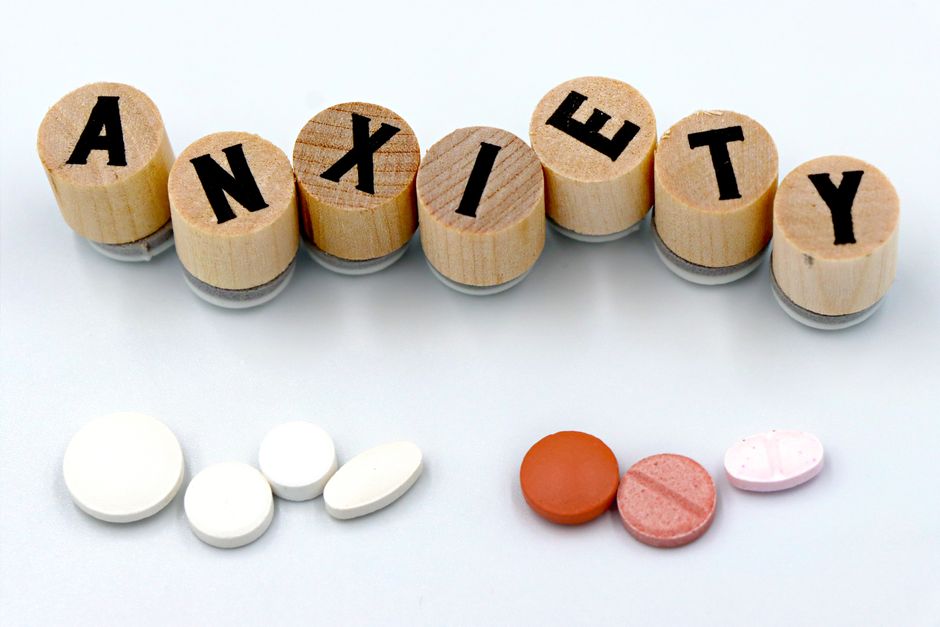
Yes, cannabis edibles can cause anxiety, panic, and paranoia. These reactions are well documented, and they happen more often with edibles than with inhaled cannabis for one main reason: the dose is easy to get wrong and slow to feel, so people often take more before the first dose has fully kicked in.
The active ingredient, THC, is a psychoactive compound that can trigger acute anxiety and paranoid thinking in some people. This is not a sign of weakness or a “bad batch” in every case. It is a known effect of how THC acts on the brain, and it is more likely at higher doses and in people who are sensitive to it.
Can Edibles Cause Anxiety Panic Or Paranoia?
Yes, and the risk is real enough that public health agencies and poison control centers track it. THC can produce acute anxiety, panic attacks, and paranoid thoughts, especially when a person takes too much or is not used to the drug.
The key difference between edibles and smoking or vaping comes down to timing and dose control. When you inhale cannabis, effects begin within minutes. You feel the drug building, so you can stop. With an edible, THC passes through the digestive system and the liver before reaching the bloodstream. That process is slower, and it converts some THC into a more potent compound called 11-hydroxy-THC.
That conversion matters. Some research suggests 11-hydroxy-THC may produce stronger and longer-lasting psychoactive effects than THC itself. This helps explain why edible experiences can feel more intense and last longer than expected.
The practical result: a person eats a gummy, feels nothing for an hour, eats more, and then the full effect of both doses hits at once. That is the most common path to a panic episode.
Why Do Edibles Hit Harder Than Smoking?
The route into the body changes everything. Inhaled THC moves from the lungs to the brain in seconds to minutes. Edible THC must be absorbed through the gut, processed by the liver, and then delivered to the brain. This delays the onset and extends the duration.
Edible effects typically begin within 30 minutes to two hours, though this varies by person, food in the stomach, and the product itself. Peak effects often arrive around two to four hours after eating. The overall experience can last six hours or longer. Inhaled effects usually peak within 10 to 30 minutes and fade within a few hours.
Because the onset is delayed, people redose too early. They assume the edible “isn’t working” and take another. By the time both doses are active, the total amount in the body is higher than intended. Higher THC levels are linked to a higher chance of anxiety and paranoia.
There is another layer. Eating cannabis with fatty food can increase absorption, because THC is fat-soluble. The same edible can feel mild on an empty stomach and overwhelming after a heavy meal.
What Does an Edible Panic Attack Feel Like?
An edible-induced panic attack can feel frightening, even when it is not dangerous. Symptoms often include a racing heart, chest tightness, sweating, trembling, and a sense of doom or losing control.
Paranoia is a separate but related experience. A person may feel that others are watching them, talking about them, or that something bad is about to happen. Some people describe feeling detached from their body or surroundings, a sensation known as depersonalization or derealization.
Other common effects include:
- Rapid or pounding heartbeat
- Confusion or trouble concentrating
- Nausea or dizziness
- Intense worry that the feeling will never end
- Heightened sensitivity to sound or light
These symptoms usually ease as the drug wears off. The challenge is that during the experience, time feels distorted. Minutes can feel like hours, which makes the episode seem endless even when it is temporary.




Who Is More Likely to Have a Bad Reaction?
Some people are more vulnerable to THC-related anxiety and paranoia. A personal or family history of anxiety disorders, panic disorder, or psychotic disorders is a significant factor. For people with a history of psychosis, THC can trigger or worsen symptoms.
Other factors that raise the risk include:
- Taking a high dose, especially as a first experience
- Being new to cannabis or to edibles specifically
- Using edibles alone or in an unfamiliar setting
- Mixing cannabis with alcohol or other substances
- Being young, since adolescent brains are still developing
Age deserves a direct note. Cannabis use in adolescence is associated with an increased risk of mental health problems, and medical organizations generally advise young people to avoid it. This is not a moral position. It reflects what research has found about the developing brain.
It is also worth separating two different things. An acute panic reaction from a single edible is temporary and usually resolves. A persistent or recurring psychotic reaction is a more serious matter that warrants medical attention.
How Long Does an Edible Panic Last?
The intense phase of an edible reaction typically passes within a few hours, but the full effect can last six hours or longer. Some people feel lingering anxiety or fatigue the next day.
The duration depends on the dose, the person’s tolerance, and how their body processes the drug. A large dose taken by someone with no tolerance will generally last longer and feel more intense than a small dose taken by a regular user.
Knowing the timeline can help. Reminding yourself that the feeling is temporary and will fade is one of the most useful things you can do during an episode. The panic itself cannot be “stopped” by willpower, but understanding what is happening can reduce the fear that fuels it.
What Should You Do If an Edible Causes Panic?
If you or someone else is having a difficult reaction, the first step is to stay calm and stay present. The reaction is usually temporary, and the goal is to ride it out safely.
Practical steps that many clinicians and harm-reduction resources suggest include:
- Move to a quiet, comfortable, familiar space
- Remind yourself out loud that this is a drug effect and it will pass
- Drink water and avoid more cannabis or alcohol
- Have a trusted person stay with you
- Avoid driving or making important decisions
Seek medical help if the person is having chest pain, difficulty breathing, severe confusion, thoughts of self-harm, or symptoms that do not improve. Call emergency services if someone is unresponsive or in danger.
For a milder but still distressing reaction, contacting a poison control center can provide guidance. These services handle cannabis-related calls and can advise on whether in-person care is needed.
Do not try to “sober up” with more substances. There is no reliable at-home antidote for a THC reaction. Time is the main factor.
Can You Lower the Risk of a Bad Edible Experience?
Risk can be reduced, though it cannot be eliminated. The single most effective step is to start with a low dose and wait before taking more.
Public health guidance in states where cannabis is legal often recommends starting with a small amount of THC, particularly for new users, and waiting at least two hours before considering more. Because edible onset can take up to two hours, waiting longer than instinct suggests is important. The exact “low dose” figure varies by jurisdiction and product, so check the label rather than assuming.
Other steps that may help:
- Read the product label carefully, since one package may contain multiple servings
- Avoid combining cannabis with alcohol
- Use edibles in a safe, familiar setting the first time
- Keep edibles locked away from children and pets
- Talk to a doctor if you have a history of anxiety or psychosis
One point that often gets lost: “all-natural” or “plant-based” does not mean risk-free. THC is a psychoactive drug regardless of how it is packaged. Treating it with the same caution you would give any mind-altering substance is reasonable.
If you find that edibles reliably trigger anxiety or paranoia, that is useful information. It may mean THC is not a good fit for you, and that is a legitimate conclusion, not a failure.
Frequently Asked Questions
Can edibles cause paranoia?
Yes, THC in edibles can cause paranoia, especially at high doses or in people sensitive to the drug. It is a known effect and often fades as the drug wears off.
How long do edible panic attacks last?
The intense phase usually passes within a few hours, but full effects can last six hours or longer. Duration depends on dose, tolerance, and individual factors.
Why do edibles cause more anxiety than smoking?
Edibles are absorbed slowly and converted in the liver, which delays onset and can make the effect stronger and longer. This makes it easy to take too much before feeling anything.
What should I do if an edible makes me paranoid?
Move to a calm, safe space, remind yourself the effect is temporary, and stay with a trusted person. Seek medical help for severe symptoms like chest pain, confusion, or thoughts of self-harm.
