

Yes, ear wax can cause hearing loss — but only when it blocks the ear canal. This type of hearing loss is called conductive hearing loss, and it is usually temporary. Once the blockage is cleared, hearing typically returns to normal. The key word is blocked: ear wax sitting in the canal without fully obstructing it does not cause hearing loss.
How Does Ear Wax Cause Hearing Loss?
Ear wax — doctors call it cerumen — is produced by glands in the outer part of the ear canal. It is not dirt. It is a mixture of secretions and dead skin cells that traps dust and debris, repels water, and has mild antibacterial properties. The canal normally moves wax outward on its own through jaw movement and skin migration.
Hearing loss happens when wax accumulates to the point that it physically blocks the canal. Sound waves travel through the air in the ear canal to reach the eardrum. When a plug of wax sits in that pathway, sound energy is reduced before it ever reaches the eardrum. The result is a drop in hearing — typically mild, sometimes moderate.
This is a mechanical problem, not damage to the inner ear. The hearing nerve and the tiny hair cells inside the cochlea are not affected. That is why the loss is usually reversible once the wax is removed.
What Does Ear Wax Hearing Loss Feel Like?
People with a wax blockage often describe muffled or plugged hearing, as if something is stuffed in the ear. Sounds may seem distant. Your own voice might sound hollow or echo inside your head.
Other common signs include:
- A feeling of fullness or pressure in the ear
- Ringing or buzzing (tinnitus) in the affected ear
- Mild ear discomfort or itching
- Sounds that seem quieter on one side
- Occasional dizziness, though this is less common
These symptoms can come on gradually. Many people do not notice the loss until someone points out that they are turning up the TV or asking others to repeat themselves.
One clue that wax is the problem: the hearing loss tends to be one-sided. Wax rarely blocks both ears equally at the same time.
How Common Is Wax-Related Hearing Loss?
Impacted ear wax is one of the most common ear complaints seen in primary care. It is especially common in older adults, people who wear hearing aids, and anyone who regularly uses cotton swabs or other objects in the ear.
In many cases, wax impaction is found by accident during a routine ear exam. The person may not have noticed any hearing change, or may have attributed it to aging or “just not hearing well lately.”
This matters because wax blockage is one of the few causes of hearing loss that can be corrected quickly and completely. Recognizing it early prevents unnecessary worry and unnecessary testing.
-
 Audi Fort Reviews 2026: Does It Work for Hearing Loss or Is It a Scam?
 -
What is Conductive Hearing Loss? What It Really Means
-
What is High Frequency Hearing Loss? What the Experts Say
-
A Client with Hearing Loss Has Been Fitted What to Know
-
Audifort Reviews 2025. Does It Work for Tinnitus? Scam-Check!


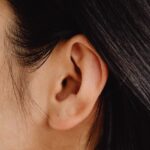


What Causes Ear Wax to Build Up and Block the Canal?
The most common cause is the thing people do to “clean” their ears. Cotton swabs push wax deeper into the canal instead of removing it. Over time, this packs the wax against the eardrum and creates a plug.
Other factors that raise the risk of impaction:
- Narrow or unusually curved ear canals
- Hearing aids or earplugs, which can push wax inward and block its natural exit
- Age — wax becomes drier and harder to clear as we get older
- Skin conditions such as eczema or psoriasis affecting the ear canal
- Swimming or frequent exposure to water, which can cause wax to swell
- Using ear candles, hairpins, or other objects in the ear
Some people simply produce more wax than others. This is normal variation, not a sign of poor hygiene.
Can Ear Wax Cause Permanent Hearing Loss?
Wax itself does not damage the inner ear, so the hearing loss it causes is almost always reversible. Once the blockage is removed, hearing typically returns to its previous level.
There are two important exceptions to keep in mind.
First, if wax is pushed deep enough to press against the eardrum, it can cause pain and, in rare cases, contribute to a ruptured eardrum. That is one reason not to dig at wax yourself.
Second, a wax blockage can hide another problem. If hearing does not return to normal after the wax is removed, something else is going on — and that needs a proper evaluation.
It is also worth knowing that wax blockage and age-related hearing loss can exist at the same time. Clearing the wax may improve hearing, but it will not restore hearing that was already lost for other reasons.
How Is Ear Wax Blockage Diagnosed?
A doctor or audiologist can usually see a wax blockage just by looking into the ear with an otoscope. The exam takes seconds. The wax plug is visible directly, and the diagnosis is straightforward.
If the canal is completely blocked and the eardrum cannot be seen, the clinician may remove some wax first and then re-examine. In some cases, a hearing test is done before and after removal to measure how much the wax was affecting hearing.
You do not need special imaging or blood tests to diagnose wax impaction. If a clinician tells you your ear canals are clear, wax is not the cause of your hearing symptoms.
How Is Ear Wax Removed Safely?
The safest approach is to let a clinician remove the wax. There are several methods, and the right one depends on how hard the wax is and how close it sits to the eardrum.
Common clinical methods include:
- Irrigation — warm water is gently directed into the canal to flush out softened wax
- Curette removal — a small instrument is used to lift the wax out under direct vision
- Suction — a small vacuum device removes wax, often used when the canal is very narrow
- Wax-softening drops — used for a few days beforehand to make removal easier
Some clinicians recommend over-the-counter wax-softening drops for mild cases. These are generally not appropriate if you have a perforated eardrum, ear tubes, or an active ear infection. If you are unsure whether any of these apply to you, ask a clinician before using drops.
What you should not do: insert cotton swabs, hairpins, keys, or ear candles. These push wax deeper, scratch the canal, and in some cases perforate the eardrum. Ear candles have no proven benefit and carry a real risk of burns and injury.
When Should You See a Doctor?
See a clinician if you have hearing loss that does not improve, ear pain, fluid or discharge from the ear, sudden hearing loss, or hearing loss in one ear only.
Sudden hearing loss — especially if it happens over hours or a day — is a medical urgency. It is not caused by wax in most cases, and it needs prompt evaluation. Do not wait to see if it clears on its own.
If you have diabetes, a weakened immune system, or have had ear surgery, check with a clinician before trying any at-home wax removal. The risk of complications is higher in these groups.
Can You Prevent Ear Wax Blockage?
For most people, the best prevention is to leave the ears alone. The canal is self-cleaning. Wiping the outer ear with a cloth is enough.
If you are prone to wax buildup, a clinician may suggest occasional use of wax-softening drops as a maintenance measure. This is a clinical judgment, not a universal recommendation — ask your doctor whether it applies to you.
If you wear hearing aids, have your ears checked regularly. Hearing aids can trap wax and speed up impaction. Removing the aids at night and cleaning them as directed helps.
If you swim often, drying the ears gently after swimming may reduce the chance of wax swelling and blocking the canal.
What Else Can Cause Hearing Loss Besides Wax?
Wax is only one possible cause of hearing loss. Many other conditions produce similar symptoms.
Common causes of hearing loss include:
- Age-related hearing loss (presbycusis) — gradual, usually in both ears
- Noise-induced hearing loss from loud sounds over time
- Ear infections or fluid behind the eardrum
- Perforated eardrum
- Otosclerosis — abnormal bone growth in the middle ear
- Meniere’s disease — involves dizziness, tinnitus, and hearing fluctuation
- Sudden sensorineural hearing loss — a medical emergency
- Certain medications that can affect hearing
This is why persistent hearing loss deserves a proper evaluation rather than a guess. If wax removal does not restore your hearing, the next step is a hearing test and an exam by an audiologist or ear, nose, and throat specialist.
Does Removing Ear Wax Always Restore Hearing?
No. If wax was the only problem, hearing usually improves right after removal. But if there is another cause — such as age-related changes in the inner ear — hearing will improve only partially, or not at all.
That is not a failure of the wax removal. It simply means the wax was not the whole story. Many people have more than one thing affecting their hearing at the same time.
Frequently Asked Questions
Can ear wax cause hearing loss?
Yes, when wax fully blocks the ear canal, it can cause temporary conductive hearing loss by preventing sound from reaching the eardrum. Once the wax is removed, hearing usually returns to normal.
How do I know if ear wax is causing my hearing loss?
A clinician can usually tell by looking in your ear with an otoscope — a wax plug is visible directly. If your ear canals are clear, wax is not the cause.
Can ear wax cause permanent hearing loss?
Wax itself does not damage the inner ear, so the hearing loss it causes is almost always reversible. Permanent hearing loss from wax would require a complication such as eardrum injury, which is rare.
Should I use cotton swabs to remove ear wax?
No. Cotton swabs push wax deeper into the canal and can scratch the skin or injure the eardrum. Let a clinician remove impacted wax safely.
