
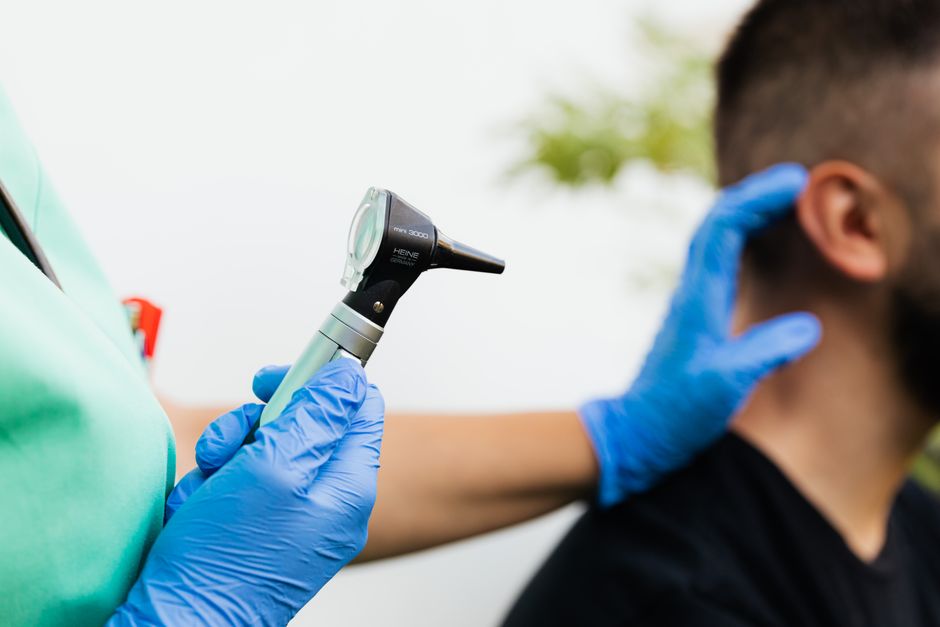
When a client with hearing loss has been fitted with hearing aids, the most important thing to know is that hearing aids do not restore hearing to normal. They amplify sounds and help you hear more clearly, but your brain needs time to relearn how to process those sounds. Patience and follow-up care are essential for getting the best results.
What Happens When a Client with Hearing Loss Has Been Fitted?
The fitting process involves more than just placing the device in the ear. An audiologist programs the hearing aids based on your specific hearing test results. The devices are adjusted to amplify the frequencies you have trouble hearing while keeping comfortable levels for sounds you already hear well. The fit of the ear mold or dome is also checked to ensure it is snug but not painful. After the fitting, you receive instructions on how to insert, remove, and care for the devices.
During the first appointment, the audiologist may also measure real-ear verification. This uses a tiny microphone in your ear canal to confirm that the hearing aid delivers sound at the prescribed levels. This step helps ensure the devices are set correctly for your ears.
How Long Does It Take to Adjust to Hearing Aids?
Adjustment time varies from person to person. Most people notice improvement within a few weeks, but full adaptation can take several months. The brain must learn to interpret sounds it has not heard clearly for years. Some research suggests that the auditory cortex can start adapting within days, but consistent use is key.
Many audiologists recommend wearing the hearing aids for at least eight hours a day from the start. Short breaks in quiet environments can help if you feel overwhelmed. Gradually increase your exposure to noisier settings like restaurants or stores over the first few weeks.
What Sounds Will Sound Different at First?
You may notice that your own voice sounds loud or strange. This is normal and usually fades within a week or two. Background noises like footsteps, papers rustling, or the hum of a refrigerator may become much more noticeable. Hearing aids amplify all sounds, not just speech. Your brain will eventually learn to filter out unimportant noises, but it takes time.
High-pitched sounds like birds chirping or a phone ringing may sound sharper than before. If any sounds are uncomfortably loud, tell your audiologist. They can adjust the programming to make those frequencies softer.
-
 Audi Fort Reviews 2026: Does It Work for Hearing Loss or Is It a Scam?
 -
What is Conductive Hearing Loss? What It Really Means
-
What is High Frequency Hearing Loss? What the Experts Say
-
Can You Have Tinnitus Without Hearing Loss? The Real Answer
-
Audifort Review | Honest Truth Of Liquid Hearing Supplement.




How to Care for Your New Hearing Aids
Daily cleaning keeps your hearing aids working well and prevents ear infections. Wipe the device with a soft, dry cloth each evening. Remove the ear mold and wash it with mild soap and water if it is the type that comes off. Let it dry completely before reattaching. Do not clean the hearing aid itself with water.
Store hearing aids in a dry, cool place away from heat and moisture. Open the battery door overnight to let moisture escape. Replace the battery when the sound becomes weak or you hear a low-battery warning. Wax guards and filters need to be changed regularly — your audiologist will show you how often based on your ear wax production.
When Should You Go Back for Adjustments?
Schedule a follow-up appointment within two to four weeks after the fitting. This visit allows the audiologist to fine-tune the settings based on what you have experienced. You should also go back if you notice any of the following: sounds are too loud or too soft, your voice echoes, feedback (whistling) occurs regularly, or the device feels uncomfortable.
Some hearing aids can be adjusted remotely through a smartphone app. However, for major changes or physical fit problems, an in-office visit is still best. Do not try to adjust the volume or program yourself beyond the options the audiologist showed you. Making uncontrolled changes can worsen your hearing experience.
What If Hearing Aids Are Not Enough?
For some people with severe or profound hearing loss, standard hearing aids may not provide enough benefit. In those cases, a cochlear implant may be an option. Cochlear implants are surgically placed devices that bypass damaged parts of the inner ear and directly stimulate the hearing nerve. They require a thorough evaluation to determine candidacy.
Another option is an assistive listening device, such as a personal FM system that streams sound directly from a microphone to your hearing aids. These can help in specific situations like lectures or conversations in noisy rooms. Talk to your audiologist about what might work best for your lifestyle.
Frequently Asked Questions
How often should I clean my hearing aids?
You should wipe them with a dry cloth every day. Deep cleaning of ear molds and wax guards should be done weekly or as directed by your audiologist.
Can I wear hearing aids while swimming?
Most hearing aids are not waterproof. Remove them before swimming, showering, or using a sauna. Water-resistant models exist but still require careful drying after exposure.
Why do my hearing aids whistle?
Whistling, or feedback, usually happens when sound leaks out of the ear and is re-amplified. This can be caused by a poor fit, ear wax buildup, or the volume being set too high. Your audiologist can fix the fit or adjust the settings.
Will my hearing loss get worse if I wear hearing aids?
Hearing aids do not worsen your natural hearing. Untreated hearing loss may lead to auditory deprivation, where the brain loses ability to process sound over time. Wearing hearing aids can help keep your auditory pathways active.
