
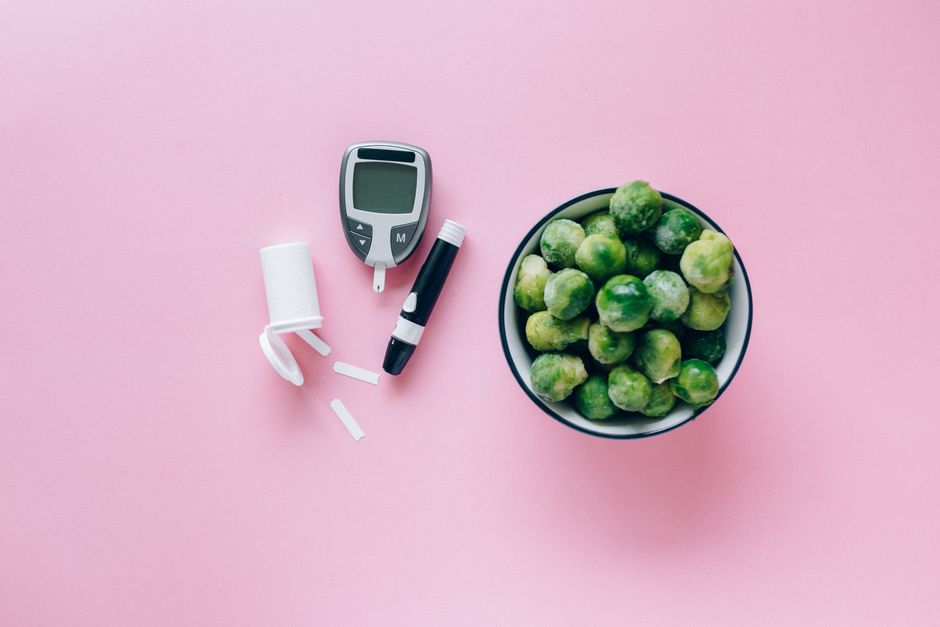
Can diabetes be reversed by weight loss? For some people with type 2 diabetes, yes — at least for a time. Research has shown that substantial weight loss can bring blood sugar back into the normal range in a meaningful share of people with type 2 diabetes, especially when it happens soon after diagnosis. The word “reversed” needs context, though. It usually means normal blood sugar without diabetes medication, not a permanent cure.
Type 1 diabetes is a different disease and cannot be reversed by weight loss. This article focuses on type 2 diabetes, where the relationship between weight and blood sugar is well documented.
What Does “Reversing Diabetes” Actually Mean?
Remission is the word researchers and clinicians tend to use. It means blood sugar has stayed in the normal range for a sustained period without glucose-lowering medication.
There is no single definition that every organization agrees on, but the general idea is consistent. A person in remission has an A1C below the diabetes range, fasting glucose in the normal range, and has not taken diabetes medication for at least several months. A1C measures average blood sugar over the prior two to three months. A result below 5.7 percent is considered normal, 5.7 to 6.4 percent is prediabetes, and 6.5 percent or higher is diabetes.
Remission is not the same as cure. The underlying tendency toward high blood sugar does not disappear. If weight comes back, blood sugar often rises again. This is why some clinicians prefer the phrase “diabetes in remission” rather than “reversed diabetes.” It is a more honest description of what is actually happening.
There is also a difference between remission and improved control. Many people with type 2 diabetes who lose a modest amount of weight see their A1C drop and may need less medication. That is a real and valuable outcome. It is not the same as remission.
How Can Diabetes Be Reversed by Weight Loss?
Type 2 diabetes involves two connected problems: the body’s cells respond poorly to insulin, and the pancreas does not make enough insulin to compensate. Excess fat, particularly around the liver and pancreas, appears to contribute to both.
Fat stored in the liver makes the liver release more glucose into the blood. Fat around the pancreas may interfere with insulin-producing cells. When people lose a significant amount of weight, fat is drawn down from these organs as well as from under the skin. As liver fat falls, the liver releases less glucose. As pancreatic fat falls, insulin production often improves.
This mechanism is well described in the medical literature. What varies is how much improvement any one person sees, and how long it lasts.
Who Is Most Likely to Achieve Remission?
Three factors show up repeatedly in the research.
- How long you have had diabetes. Remission is more common in people diagnosed within the past few years. After many years, insulin-producing cells may have lost function that weight loss alone cannot restore.
- How much weight you lose. Larger weight loss is linked to higher remission rates. Modest weight loss tends to improve control rather than produce remission.
- How much insulin your body still makes. People who still produce a reasonable amount of their own insulin have a better chance.
Age and starting weight matter less than these three. Someone diagnosed two years ago at age 55 may have a better shot than someone diagnosed fifteen years ago at age 45.
It is also worth saying plainly: remission does not happen for everyone who loses weight. Some people lose a great deal of weight and still need medication. That is not a personal failure. It reflects how much the pancreas has changed.




What Does the Research Actually Show?
The most cited work in this area comes from a UK research group that studied people with type 2 diabetes using a structured low-calorie diet followed by a maintenance phase. A substantial portion of participants achieved remission, and those who lost the most weight were the most likely to reach it. Some who maintained the weight loss stayed in remission for years.
Other studies using weight-loss surgery have shown similar patterns. People with type 2 diabetes who undergo bariatric surgery often see major improvements in blood sugar, and some achieve remission. Surgery produces larger and more durable weight loss than most diet programs, which likely explains part of the difference.
What the research does not show is that remission is permanent or guaranteed. Relapse is common when weight returns. Long-term remission rates across studies vary widely, which tells us the outcome depends heavily on what happens after the initial weight loss.
How Much Weight Loss Are We Talking About?
There is no single number that works for everyone. The evidence points to a general pattern rather than a fixed threshold.
Losing roughly 5 to 10 percent of body weight often improves blood sugar and can reduce medication needs. Larger losses — often described in the range of 10 to 15 percent or more — are associated with higher rates of remission in the research. These figures come from studies of people with type 2 diabetes specifically, not from general weight-loss guidelines.
The direction of the relationship is what matters most. More weight loss, achieved and maintained, tends to produce better blood sugar outcomes. The exact cutoff varies by person.
Is Weight Loss the Only Path to Remission?
No. Weight loss is the most studied route, but it is not the only one.
Some people achieve normal blood sugar through changes in diet quality, increased physical activity, better sleep, or reduced stress — sometimes with modest weight change. Physical activity in particular improves how muscles take up glucose, independent of weight.
Bariatric surgery is a well-established option for people with type 2 diabetes and significant obesity. It produces larger weight loss than most lifestyle programs, and clinical guidelines recognize it as a treatment for type 2 diabetes in certain patients. It also carries surgical risks and requires permanent dietary changes.
Newer diabetes medications can produce substantial weight loss and improve blood sugar. These are treatments, not cures. Whether they lead to remission in the way that diet-induced weight loss does is still being studied. No clinical evidence currently confirms that medication-induced weight loss produces the same long-term remission patterns as lifestyle or surgical weight loss.
What Happens If Weight Comes Back?
Blood sugar usually rises again. This is one of the most consistent findings in the research, and it is not a moral judgment — it is biology.
When weight returns, fat reaccumulates in the liver and pancreas. The improvements in insulin sensitivity and insulin production tend to reverse. Many people who achieved remission and then regained weight see their A1C climb back into the diabetes range.
This is why maintenance matters as much as the initial weight loss. The hard part is not losing the weight. It is keeping it off.
Should You Try This Without Medical Supervision?
No. If you take insulin or certain other diabetes medications, changing your diet significantly can cause blood sugar to drop too low. That is a medical emergency risk, not a minor side effect.
Anyone with type 2 diabetes who wants to attempt significant weight loss should work with a clinician. Medication doses often need to be adjusted as blood sugar improves. Blood work needs monitoring. For some people, a very low-calorie diet should not be attempted at all due to other health conditions.
This is not a reason to avoid trying. It is a reason to try with support.
Frequently Asked Questions
Can type 2 diabetes be reversed permanently?
For some people, blood sugar can stay normal for years without medication after substantial weight loss. However, remission is not considered permanent, and blood sugar often rises again if weight returns.
How much weight do you need to lose to reverse diabetes?
Research links larger weight loss — often in the range of 10 to 15 percent of body weight or more — with higher remission rates. Smaller losses of around 5 to 10 percent often improve blood sugar and reduce medication needs even when remission is not achieved.
Can type 1 diabetes be reversed by weight loss?
No. Type 1 diabetes is an autoimmune condition in which the body stops producing insulin, and weight loss does not restore that ability. It requires insulin replacement for life.
Does diabetes come back after remission?
It can. If weight is regained, fat can reaccumulate in the liver and pancreas, and blood sugar often climbs back into the diabetes range. Maintaining weight loss is the strongest factor in staying in remission.
