

Yes, coffee can stain your teeth. The brown and black pigments in coffee — called tannins and chromogens — bind to the outer layer of your teeth and build up over time. This is not a myth or an old wives’ tale. It is a well-documented chemical process that dentists see every day.
The good news is that coffee staining is largely surface-level and often reversible with the right habits. The less good news is that how much your teeth stain depends on several factors you may not have thought about, including the type of coffee you drink and how you drink it.
What Is Actually in Coffee That Stains Teeth?
Coffee contains three main compounds that contribute to staining: tannins, chromogens, and acids.
Tannins are naturally occurring plant compounds that give coffee its bitter taste and its ability to bind to proteins. In your mouth, those proteins include the pellicle — a thin film of saliva and proteins that coats your teeth. Tannins stick to this film and create a rough surface that other stain-causing particles can latch onto.
Chromogens are pigment molecules. In coffee, they range from pale yellow to deep brown. Once tannins have roughened the tooth surface, chromogens settle into the microscopic ridges and pits of your enamel. Over time, layer upon layer of these pigments creates visible discoloration.
Acids in coffee temporarily soften tooth enamel. When enamel is softer, its surface is more porous and more receptive to pigment penetration. This is one reason sipping coffee slowly over a long period may cause more staining than drinking it quickly.
It is worth noting that staining is not the same as decay. Coffee pigments sit on and just beneath the tooth surface. They do not eat through enamel the way bacteria-driven cavities do. But acid erosion can weaken enamel over time, which is a separate concern from cosmetic staining.
Why Do Some People’s Teeth Stain More Than Others?
Not everyone who drinks coffee ends up with noticeably yellow or brown teeth. Several factors influence how much staining occurs.
- Enamel thickness and quality. Enamel is the hard, translucent outer layer of your teeth. The layer beneath it — dentin — is naturally yellow. People with thinner enamel show more of that yellow dentin, which can make coffee staining look worse.
- Saliva production. Saliva helps rinse pigments off your teeth. People with dry mouth — whether from medications, medical conditions, or aging — tend to stain more quickly.
- Oral hygiene habits. Brushing and flossing regularly removes the pellicle film that tannins bind to. Poor hygiene allows that film to build up and hold more pigment.
- Coffee drinking habits. Sipping coffee all day exposes your teeth to repeated acid and pigment baths. Drinking it quickly and rinsing with water afterward reduces exposure.
- Existing tooth condition. Rough surfaces, cracks, and previous dental work can trap pigment more easily than smooth, intact enamel.
Age also plays a role. Enamel naturally wears down over decades, and dentin becomes more yellow with age. This means a 55-year-old who has been drinking coffee for 30 years may see more discoloration than a 25-year-old with the same coffee habit.
Does the Type of Coffee You Drink Matter?
Yes, and the differences are meaningful.
Espresso and dark roasts tend to contain higher concentrations of tannins and chromogens per ounce than light roasts. But because espresso is consumed in smaller amounts, the total exposure may be similar to a large cup of drip coffee.
Cold brew is often marketed as less acidic than hot coffee. It does tend to be slightly less acidic because the cold brewing process extracts fewer acids. However, cold brew still contains tannins and chromogens. Less acid does not mean no staining.
Adding milk or cream may reduce staining slightly. The proteins in dairy can bind to tannins before they reach your teeth. This does not prevent staining entirely, but some people find it makes a noticeable difference. Plant-based milks vary in protein content and may not have the same effect.
What about decaf? Decaf coffee still contains tannins and chromogens. The decaffeination process removes caffeine, not the pigments. Decaf can stain your teeth just as much as regular coffee.


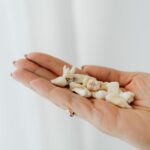


Can Coffee Stain Your Teeth Permanently?
Coffee staining is rarely permanent if you take action. Most of the discoloration sits in the pellicle film and the outermost layers of enamel, both of which can be cleaned or polished.
That said, years of coffee drinking without regular dental cleanings can lead to deeper staining that is harder to remove. Pigments can penetrate into the enamel over time, and once they reach the dentin layer, professional treatment may be needed.
Surface stains from coffee typically respond well to:
- Regular brushing with a fluoride toothpaste
- Professional dental cleanings every six months, or more often if your dentist recommends it
- Polishing treatments at the dentist’s office
- Over-the-counter whitening products, though results vary
Stains that have penetrated deeper may require professional whitening or other cosmetic dental procedures. Your dentist can assess how deep the staining goes and recommend the least invasive option that will work.
One important note: not all tooth discoloration is from coffee. Yellowing can also come from aging, genetics, certain medications, tobacco use, or other foods and drinks. If you notice sudden or uneven color changes, that is worth mentioning to your dentist.
How Can You Reduce Coffee Staining?
You do not have to give up coffee to protect your teeth. Several practical steps can reduce how much staining occurs.
Rinse with water after drinking coffee. A quick swish and swallow helps wash away pigments and acids before they settle. This is one of the simplest and most effective habits.
Use a straw. Drinking iced coffee through a straw bypasses your front teeth, which are often the most visible. This works less well for hot coffee, but it can help with cold drinks.
Do not brush immediately after drinking coffee. This is counterintuitive, but brushing right after coffee can actually cause more harm than good. The acids in coffee temporarily soften enamel, and brushing while enamel is soft can wear it down. Wait about 30 minutes, then brush.
Chew sugar-free gum after coffee. Chewing stimulates saliva, which naturally rinses your mouth and neutralizes acids. Some sugar-free gums also contain ingredients that may help remineralize enamel.
Drink coffee quickly rather than sipping all day. Prolonged exposure means more time for acids and pigments to interact with your teeth.
Keep up with dental cleanings. Professional cleanings remove plaque and tartar that trap stains. They also give your dentist a chance to spot problems early.
Some people ask about whitening toothpastes. These products contain mild abrasives that can remove surface stains. They do not change the natural color of your teeth, and they cannot reach stains below the surface. They may help maintain brightness between dental visits, but they are not a substitute for professional cleaning.
Does Coffee Stain Veneers, Crowns, or Fillings?
Yes, coffee can stain dental work. This surprises many people.
Porcelain veneers and crowns are generally more resistant to staining than natural teeth, but they are not stain-proof. The resin cement used to bond them can pick up pigment over time. Composite fillings and bonding material are especially prone to staining because their surface is more porous than porcelain.
If you have visible dental work and drink coffee regularly, it is worth asking your dentist about options. Some polishing can be done in the office. In some cases, replacement may be the only way to restore the original color.
This is one reason dentists often recommend waiting at least 48 hours after certain dental procedures before drinking coffee. The materials need time to fully set, and early exposure to pigments can affect the final result. If you are unsure about the timeline for your specific procedure, ask your dentist directly. Guidelines can vary based on the material used and the type of work done.
Does Coffee Stain Teeth More Than Tea or Other Drinks?
Coffee is one of the more common causes of tooth staining, but it is not the only one. Tea — especially black tea — contains tannins and can stain teeth as much or more than coffee. Red wine, cola, and dark fruit juices also contribute.
What sets coffee apart is how often people drink it. Many people have multiple cups per day, every day, for decades. That cumulative exposure adds up.
Some research suggests that certain foods can help reduce staining. Crunchy fruits and vegetables like apples, carrots, and celery stimulate saliva and may help scrub tooth surfaces. Strawberries contain malic acid, which some people believe can help whiten teeth, though the evidence for this is limited and the acid content could also be a concern with frequent use. Cheese and other dairy products may help protect enamel by raising the pH in your mouth.
None of these foods replace good oral hygiene or professional cleanings. They are small supporting habits, not solutions.
Frequently Asked Questions
Can coffee stain your teeth even if you brush regularly?
Yes. Brushing helps remove surface pigments and the pellicle film, but it does not prevent all staining. Regular brushing reduces how much staining occurs, but coffee pigments can still build up over time, especially with daily consumption.
Does drinking coffee through a straw prevent staining?
It can reduce staining on your front teeth because the liquid bypasses them. However, it does not eliminate staining entirely, and it is more practical for iced coffee than hot coffee.
How long does it take for coffee to stain your teeth?
There is no fixed timeline. Some people notice discoloration within weeks of daily coffee drinking, while others go years without visible changes. It depends on your enamel, saliva, oral hygiene, and how much coffee you drink.
Can whitening toothpaste remove coffee stains?
Whitening toothpastes can remove some surface stains through mild abrasives, but they do not change the natural color of your teeth or reach deeper stains. Professional cleanings and whitening treatments are more effective for significant discoloration.
