
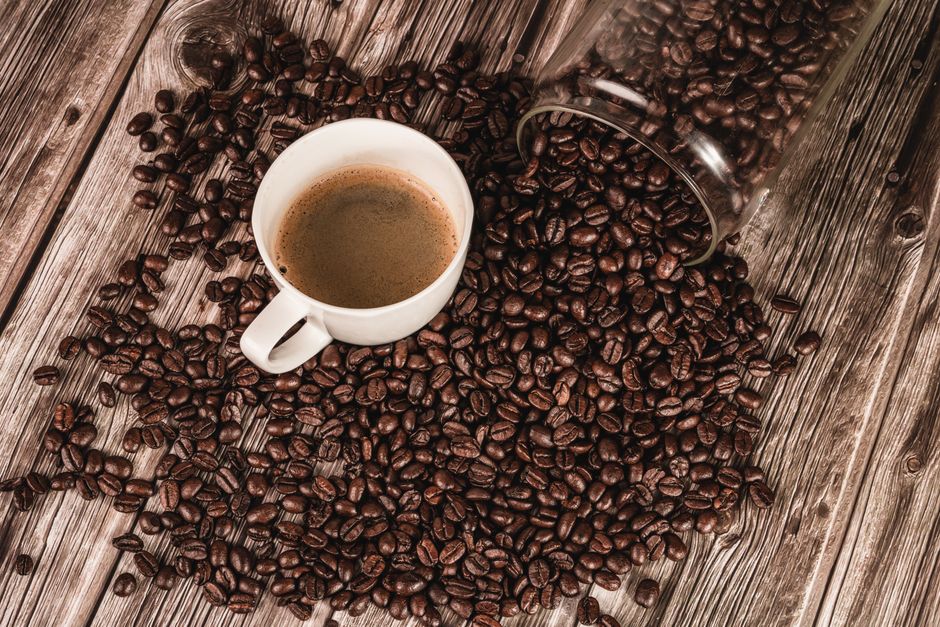
Coffee and tea are the two most popular caffeinated drinks in the world, but they deliver very different amounts of caffeine. By weight, dry tea leaves actually contain more caffeine than coffee beans. However, the beverage you brew is a different story. A standard cup of brewed coffee contains significantly more caffeine than a standard cup of tea, typically about two to three times as much.
How Much Caffeine Is in a Cup of Coffee?
A standard 8-ounce cup of brewed coffee contains roughly 80 to 100 milligrams of caffeine. This number varies based on the bean type, the roast, and how you brew it.
Robusta beans contain about twice as much caffeine as Arabica beans. Most commercial coffee blends use Arabica, but some budget brands and espressos include Robusta for the extra kick.
Dark roasts actually have slightly less caffeine than light roasts. The roasting process breaks down some of the caffeine, but the difference is small. The bigger factor is how you measure your coffee. A scoop of light roast weighs less than a scoop of dark roast, so you might use more beans without realizing it.
Espresso is more concentrated but served in smaller volumes. A single 1-ounce shot of espresso contains about 63 milligrams of caffeine. That is less than a full cup of drip coffee, but much more per ounce.
How Much Caffeine Is in a Cup of Tea?
A standard 8-ounce cup of black tea contains roughly 40 to 70 milligrams of caffeine. Green tea is lower, usually landing between 20 and 45 milligrams per cup. White tea varies widely but often falls even lower.
Herbal teas like chamomile, peppermint, and rooibos contain no caffeine at all. They are not true teas botanically. They come from different plants entirely, so they never had caffeine to begin with.
Tea leaves do contain more caffeine by dry weight than coffee beans. But you use far less tea by weight to make a cup. A typical tea bag holds about 2 grams of leaves. A typical coffee brew uses 10 or more grams of ground beans. That is why the final cup of coffee wins on caffeine content.
What Contains More Caffeine Coffee Or Tea by Preparation Method
The preparation method changes the caffeine content more than any other factor. Steeping time matters enormously for tea. The longer you steep, the more caffeine extracts into the water.
A quick 1-minute steep of black tea might deliver only 20 milligrams. A 5-minute steep of the same tea can deliver 60 milligrams or more. Many tea drinkers discard the first steep or use shorter steeping times, which lowers their caffeine intake without them realizing it.
Coffee preparation methods also vary. Cold brew coffee is often higher in caffeine than hot brewed coffee. The long steeping time of 12 to 24 hours extracts more caffeine from the grounds. A 16-ounce cold brew can contain 200 milligrams or more.
Instant coffee is lower in caffeine than brewed coffee. A standard cup of instant coffee contains about 30 to 90 milligrams, depending on how much powder you use. The instant process extracts caffeine during manufacturing, but the serving size is smaller.





Why the Caffeine Difference Matters
The difference between coffee and tea caffeine matters for several practical reasons. If you are sensitive to caffeine, tea gives you more control over your intake. You can choose a lighter tea, steep it briefly, or discard the first infusion.
If you need a reliable morning boost, coffee delivers more caffeine per cup. This makes it the more efficient choice for alertness. Research consistently shows that caffeine improves reaction time, vigilance, and focus at typical coffee doses.
Tea also contains L-theanine, an amino acid that may modulate caffeine’s effects. Some studies suggest L-theanine promotes relaxation without drowsiness and can smooth out the jittery feeling caffeine sometimes causes. The combination of lower caffeine and L-theanine is why many people report a calmer energy from tea compared to coffee.
The evidence for this calming effect is moderate. Several small human trials have found that L-theanine combined with caffeine improves attention more than caffeine alone. But larger, longer-term studies are still needed to confirm the full picture.
How Caffeine Works in Your Body
Caffeine works by blocking adenosine receptors in your brain. Adenosine is a chemical that builds up throughout the day and makes you feel sleepy. When caffeine blocks these receptors, you feel more alert and less tired.
The effects begin within 15 to 45 minutes of drinking. Peak blood levels occur about 30 to 60 minutes after consumption. The half-life of caffeine is roughly 3 to 5 hours in most healthy adults. That means half of the caffeine is still in your system several hours after your last sip.
Individual variation is significant. Genetics, liver enzyme activity, pregnancy, and certain medications all affect how fast you process caffeine. Some people feel effects for 8 hours or more. Others metabolize it quickly and feel nothing after a few hours.
For most healthy adults, up to 400 milligrams of caffeine per day is considered safe by major health authorities. That is roughly four cups of brewed coffee or eight cups of black tea. Pregnant women are generally advised to keep caffeine under 200 milligrams per day, though recommendations vary by organization and have changed over time. Consult your clinician for guidance specific to your situation.
Does Caffeine Content Affect Health Benefits?
Coffee and tea both have documented health benefits that go beyond caffeine. Coffee is one of the largest sources of antioxidants in the Western diet. Observational studies have consistently linked regular coffee consumption with lower risks of type 2 diabetes, Parkinson’s disease, and liver conditions.
Tea is rich in flavonoids, particularly catechins in green tea. Research published in the American Journal of Clinical Nutrition has associated regular tea consumption with improved cardiovascular health markers. The evidence for tea’s protective effects on heart health is moderate and comes largely from observational studies.
The caffeine itself is not the main driver of these benefits. Decaffeinated coffee still shows many of the same protective associations. This suggests that the polyphenols and other plant compounds play a larger role than caffeine.
Neither coffee nor tea is inherently better for you. The right choice depends on your caffeine tolerance, your sensitivity to jitters or sleep disruption, and your personal preference for taste and ritual.
Practical Tips for Managing Your Caffeine Intake
If you want to reduce caffeine without quitting your favorite drink, small changes make a measurable difference. Switching from coffee to black tea cuts your caffeine roughly in half. Switching to green tea cuts it further.
For tea drinkers who want less caffeine, consider these options:
- Choose white or green tea over black tea
- Steep for 1 to 2 minutes instead of 3 to 5 minutes
- Discard the first steep and re-steep the same leaves
- Blend caffeinated tea with caffeine-free herbal tea
For coffee drinkers, the simplest reduction is switching to half-caff or decaf. Decaf coffee still contains about 2 to 5 milligrams per cup, which is negligible for most people. Be aware that decaf is not completely caffeine-free.
Pay attention to serving size. A large coffee shop drink is often 16 to 20 ounces, not the standard 8 ounces used in most caffeine charts. A 20-ounce drip coffee can easily deliver 200 to 300 milligrams of caffeine before you add anything else.
Frequently Asked Questions
Is there more caffeine in coffee or tea?
Brewed coffee contains significantly more caffeine than brewed tea. An 8-ounce cup of coffee has about 80 to 100 milligrams, while the same size cup of black tea has about 40 to 70 milligrams.
Why do tea leaves have more caffeine than coffee beans?
Dry tea leaves contain more caffeine by weight than dry coffee beans. But you use far less tea than coffee to make a single cup, so the final brewed beverage has less caffeine.
Does green tea have less caffeine than black tea?
Yes, green tea generally contains less caffeine than black tea. A typical cup of green tea has about 20 to 45 milligrams, compared to 40 to 70 milligrams for black tea.
How much caffeine is safe per day?
Up to 400 milligrams per day is considered safe for most healthy adults. That equals about four cups of brewed coffee or eight cups of black tea.
