
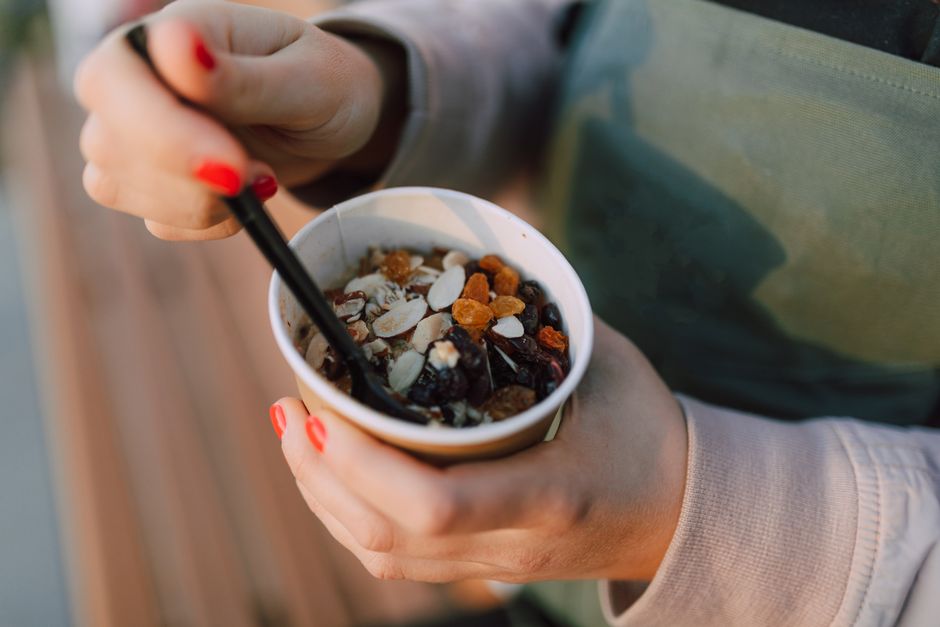
Yes, chickens can eat raisins. Raisins are not toxic to chickens, and most chickens will eat them eagerly when offered. They are a safe treat when given in moderation as part of a balanced diet. The key is portion control, since raisins are high in natural sugar, and a healthy chicken diet should mostly consist of complete layer feed.
Are Raisins Safe for Chickens to Eat?
Raisins are dried grapes, and grapes are safe for chickens. The drying process does not change the safety of the fruit itself. There is no compound in raisins that is known to be toxic to poultry.
Some chicken owners worry about the texture. Raisins are chewy and sticky, which can raise concerns about choking. For most adult chickens, this is not a real problem. Chickens do not have teeth, but they have a muscular stomach called the gizzard that grinds food. Whole raisins are small enough for most hens to swallow and process without difficulty.
If you keep bantams or smaller breeds, you can cut raisins in half to be cautious. Soaking raisins in warm water for a few minutes also softens them, which makes them easier to eat. This is a simple step that removes any concern about texture or swallowing.
Nutritional Value of Raisins for Chickens
Raisins provide several nutrients that can complement a chicken’s diet. They contain natural sugars that offer quick energy, which can be helpful during cold weather when chickens burn more calories to stay warm.
Raisins also contain potassium, iron, and certain B vitamins. These nutrients support basic body functions, but it is important to keep perspective. A chicken eating a complete commercial layer feed already receives balanced nutrition. Raisins are a treat, not a nutritional supplement.
The main nutritional concern is sugar content. Raisins are roughly 60% sugar by weight. That is higher than most fresh fruits. Too much sugar can contribute to weight gain and digestive upset in chickens, just as it does in humans.
How Many Raisins Can a Chicken Eat?
Treats of any kind should make up no more than 10% of a chicken’s daily food intake. The other 90% should be complete layer feed. This rule applies to raisins, scratch grains, mealworms, and all other treats.
A good portion is about 3 to 5 raisins per chicken, two or three times per week. This keeps the treat enjoyable without adding excessive sugar to the diet. For a small flock of four or five hens, a small handful of raisins total is plenty.
Chickens do not have the same portion awareness that many mammals have. They will happily eat as many raisins as you offer, even to the point of ignoring their regular feed. You control the portion, not the chicken.





Can Baby Chicks Eat Raisins?
Baby chicks should not eat raisins. Chicks have specific nutritional needs during their first weeks of life, and they need a complete starter feed to develop properly. Treats can dilute the nutrients in starter feed and slow growth.
Raisins are also a choking hazard for chicks. Their digestive systems are still developing, and the sticky texture of raisins can be difficult for them to manage.
Wait until chicks are at least 12 weeks old before offering raisins. Even then, start with a single raisin cut into small pieces to see how they handle it. Most chicks will not miss raisins if they never get them.
Can Chickens Eat Raisins Every Day?
Daily raisins are not recommended. The sugar content adds up quickly, and regular treats can unbalance a chicken’s diet. Chickens that fill up on treats eat less layer feed, which means they get fewer of the specific nutrients they need for egg production and bone health.
Think of raisins like candy for chickens. An occasional small serving is fine. Daily servings are not.
If you want to give your chickens a daily treat, choose something lower in sugar. Leafy greens like spinach or kale, chopped cabbage, or small amounts of fresh berries are better daily options. Save raisins for a special treat.
Do Raisins Cause Health Problems in Chickens?
Raisins are not known to cause any specific health problems in chickens when fed in moderation. There are no documented cases of raisin toxicity in poultry.
The real risks come from overfeeding. Too many raisins can lead to obesity, which is a common problem in backyard flocks. Overweight hens lay fewer eggs and are more prone to health issues like fatty liver disease.
Another practical concern is attracting pests. Raisins left in the coop or run can draw ants, mice, and other unwanted visitors. Offer raisins in a dish or scatter them in an area where they will be eaten quickly, and remove any leftovers.
What Other Fruits Can Chickens Eat?
Chickens can eat a wide variety of fruits as treats. Watermelon, blueberries, strawberries, apples, and bananas are all safe and generally well received.
Some fruits need preparation. Apples should be chopped because the seeds contain small amounts of cyanide compounds, though the amount in a few seeds is unlikely to harm a chicken. Citrus fruits are safe but many chickens simply do not like the taste.
Never feed chickens avocado skin or pit. These contain persin, a compound that is toxic to birds. The flesh of the avocado is less concerning, but it is safest to avoid avocado entirely.
Moldy fruit should always be thrown away, not given to chickens. Mold can produce toxins that cause serious illness in poultry.
What Not to Feed Chickens
Some foods are genuinely dangerous for chickens and should never be offered. Raw potatoes contain solanine, which is toxic. Dried or raw beans contain lectins that can be harmful. Chocolate and caffeine are toxic to birds.
Onions in large amounts can affect the flavor of eggs and may cause anemia in some birds. Garlic is less concerning and is sometimes used by keepers as a natural supplement, but large amounts are not recommended.
Salty snacks like chips or pretzels should be avoided. Chickens have a low tolerance for excess salt, and high-salt foods can cause health problems.
If you are ever unsure about a food, the safest choice is to not feed it. Stick with foods you know are safe, and offer treats in small amounts.
How to Feed Raisins to Your Flock
The best way to feed raisins is to scatter them on the ground. This encourages natural foraging behavior and gives chickens something to do. Scratching and pecking at the ground is healthy activity for them.
You can also mix raisins into a small amount of plain oatmeal or cooked grains for a warm winter treat. This adds moisture and makes the raisins easier to eat.
Do not mix raisins into the layer feed itself. This can encourage selective eating, where chickens pick out the raisins and leave the feed. Offer treats separately from their regular food.
Always provide fresh, clean water alongside any dry treat. Raisins are low in moisture, and chickens need access to water to help process dry foods.
Frequently Asked Questions
Can chickens eat raisins every day?
No, daily raisins are not recommended because they are high in sugar and can unbalance a chicken’s diet. Offer raisins no more than two or three times per week in small amounts.
Can baby chicks eat raisins?
No, chicks should not eat raisins. Their digestive systems are still developing, and they need complete starter feed without treats until they are at least 12 weeks old.
Can chickens eat raisin bread?
Raisin bread is not a good choice for chickens. The bread adds extra carbohydrates and often contains added sugar or preservatives that are unnecessary for poultry.
Are raisins toxic to chickens?
No, raisins are not toxic to chickens. They are safe to feed in moderation as a treat, but they should never replace a complete layer feed.
