
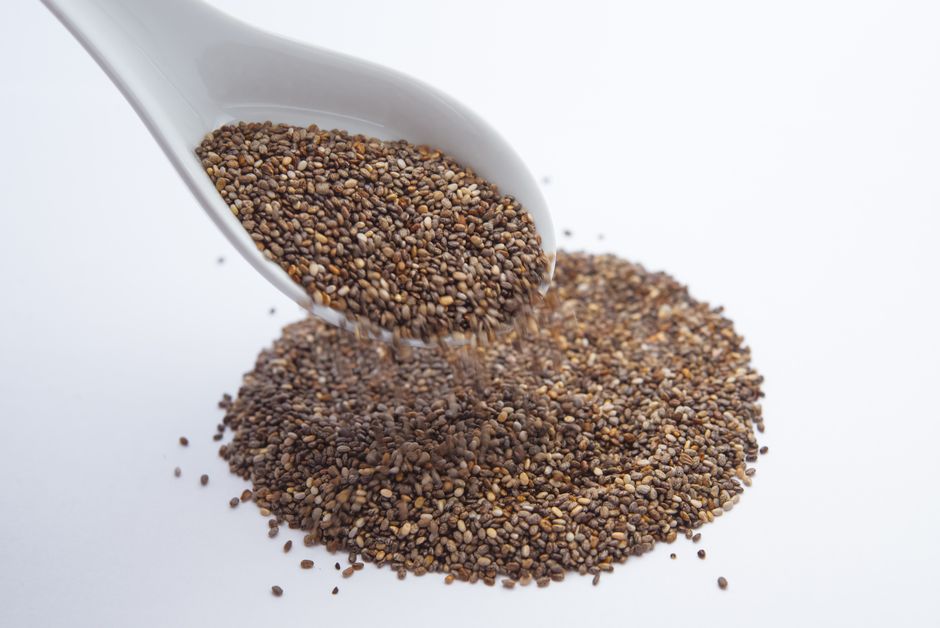
Yes, chia seeds can cause diarrhea, but they usually do not. For most people, chia seeds are safe and easy to digest. However, for some, they can trigger loose stools or digestive upset. The most common reason is a sudden increase in fiber. A less common but real risk is improper preparation, which can cause the seeds to swell in your throat or digestive tract.
Why Do Chia Seeds Cause Diarrhea in Some People?
The main reason is fiber. Chia seeds are very high in fiber. A single ounce, about two tablespoons, contains roughly 10 grams of fiber. That is about one-third of the daily recommended intake for an adult.
If you are not used to eating that much fiber, your digestive system needs time to adjust. When you suddenly add a large amount of fiber, it draws water into your intestines. This speeds up digestion and can lead to loose stools or diarrhea.
Your gut bacteria also react to new fiber. They ferment it, producing gas. This can cause bloating, cramping, and discomfort alongside the diarrhea.
How Much Chia Seeds Is Too Much?
There is no official maximum dose for chia seeds. But clinical experience and general dietary guidance suggest starting small. If you have never eaten chia seeds, begin with one teaspoon per day. After a few days, you can slowly increase to one tablespoon.
Most people tolerate one to two tablespoons daily without problems. But tolerance varies widely. Some people can eat more. Others get diarrhea from even a small amount.
If you already eat a high-fiber diet, you may handle chia seeds better. If your diet is low in fiber, introduce them very slowly. Your gut needs time to build up the enzymes and bacteria needed to process the extra fiber.
Can Chia Seeds Cause Diarrhea If Not Soaked?
Yes, but the reason is different. Chia seeds absorb water and expand in your stomach. If you eat them dry, they can form a gel-like mass in your esophagus or digestive tract.
This is not just about diarrhea. Dry chia seeds can cause choking or blockages. This is a documented risk, especially for people with swallowing problems or narrow esophagus.
Soaking chia seeds before eating them is the safer choice. When soaked, they expand before you eat them, not inside you. This reduces the risk of blockage and may also reduce digestive upset.
If you eat them dry, drink plenty of water. But even with water, dry seeds can be risky. Soaking is a better practice.




What Does Chia Seed Diarrhea Look Like?
Chia seed diarrhea looks like other types of diarrhea. It is loose, watery stool that happens more often than normal. It may be accompanied by gas, bloating, or stomach cramps.
Some people notice the gel-like coating of the seeds in their stool. This is normal and not a cause for concern. The seeds are not fully digested, and their outer layer can pass through intact.
If you have diarrhea after eating chia seeds, it usually resolves within a day or two. Once your system clears the seeds, symptoms should stop.
Chia Seeds vs. Other High-Fiber Foods
Chia seeds are not unique in causing diarrhea. Any high-fiber food can do this if introduced too quickly. Beans, lentils, bran cereal, and prunes all have this effect.
What makes chia seeds different is their fiber density. They contain more fiber per gram than most foods. This means a small serving delivers a large fiber load.
Consider this comparison:
- One ounce of chia seeds: about 10 grams of fiber
- One cup of cooked oatmeal: about 4 grams of fiber
- One medium apple with skin: about 4 grams of fiber
- One slice of whole wheat bread: about 2 grams of fiber
Eating a handful of chia seeds is like eating several servings of other high-fiber foods at once. Your digestive system may not be ready for that.
Can Chia Seeds Cause Diarrhea From Contamination?
This is rare but possible. Like any raw agricultural product, chia seeds can carry bacteria. Salmonella contamination has been reported in chia seed products in the past.
Foodborne illness from contaminated chia seeds would cause diarrhea along with other symptoms. These include fever, nausea, vomiting, and abdominal pain.
If you have diarrhea with a fever, it is more likely an infection than a fiber reaction. See a doctor if you have a high fever, bloody stool, or symptoms lasting more than a few days.
To reduce this risk, buy chia seeds from reputable brands. Store them in a cool, dry place. Follow the storage instructions on the package.
How to Prevent Chia Seed Diarrhea
Start with a small amount. One teaspoon is a reasonable starting point. Wait a day or two to see how your body responds before increasing the amount.
Soak your seeds. Mix them with water, milk, or yogurt and let them sit for at least 15 minutes. This allows them to expand before you eat them.
Drink plenty of water throughout the day. Fiber needs water to move through your digestive system smoothly. Without enough water, fiber can cause constipation instead of diarrhea.
Do not eat chia seeds every day right away. Give your gut time to adjust. Once you tolerate them well, you can eat them more regularly.
If you have a digestive condition like irritable bowel syndrome or Crohn’s disease, talk to your doctor before adding chia seeds to your diet. High-fiber foods can trigger symptoms in some people with these conditions.
When to See a Doctor
Mild diarrhea after eating chia seeds is usually not an emergency. It should resolve on its own within a day or two.
See a doctor if the diarrhea lasts more than two days. Also seek medical care if you have signs of dehydration. These include dark urine, dizziness, dry mouth, or feeling very thirsty.
Get emergency care if you have severe abdominal pain, vomiting, or trouble swallowing. These could indicate a blockage, which is a serious complication.
If you have a known esophageal narrowing or swallowing disorder, do not eat dry chia seeds. This is a high-risk situation that can lead to a medical emergency.
Are There People Who Should Avoid Chia Seeds Entirely?
Some people should not eat chia seeds at all. This includes people with a history of esophageal stricture or swallowing problems. The seeds can form a thick gel that blocks the esophagus.
People with severe IBS or inflammatory bowel disease may need to avoid them. High-fiber foods can worsen symptoms in these conditions. This is not true for everyone, but it is a real risk.
People taking certain blood thinners should be cautious. Chia seeds contain omega-3 fatty acids, which can have a mild blood-thinning effect. This is not a strong effect, but it can matter for people on medication.
If you are taking blood thinners, ask your doctor before eating chia seeds regularly. The interaction is not well studied, and it is better to be cautious.
Does Cooking Chia Seeds Help Prevent Diarrhea?
Cooking does not remove the fiber from chia seeds. The fiber content stays the same whether you eat them raw, soaked, or cooked.
However, cooking can change how your body processes them. Cooked chia seeds, like in a pudding or baked goods, may be easier to digest because the heat breaks down some of the seed structure.
If raw chia seeds cause diarrhea for you, try them cooked. Add them to oatmeal, smoothies, or baked goods. This may reduce symptoms, but it is not guaranteed.
The fiber itself is still there. If you are sensitive to fiber, cooking will not solve the problem completely.
Frequently Asked Questions
Can chia seeds cause diarrhea if you eat too many?
Yes, eating too many chia seeds can cause diarrhea because of their high fiber content. The fiber draws water into your intestines, which speeds up digestion and leads to loose stools.
How long does chia seed diarrhea last?
Chia seed diarrhea usually lasts one to two days. Once your body clears the seeds and adjusts to the fiber, symptoms should stop.
Is it safe to eat chia seeds every day?
Yes, for most people it is safe to eat chia seeds daily in moderate amounts. Start with a small serving like one teaspoon and increase slowly to allow your digestive system to adapt.
Can soaked chia seeds still cause diarrhea?
Yes, soaked chia seeds can still cause diarrhea because the fiber content remains the same. Soaking reduces the risk of choking and blockage but does not eliminate the fiber-related digestive effects.
